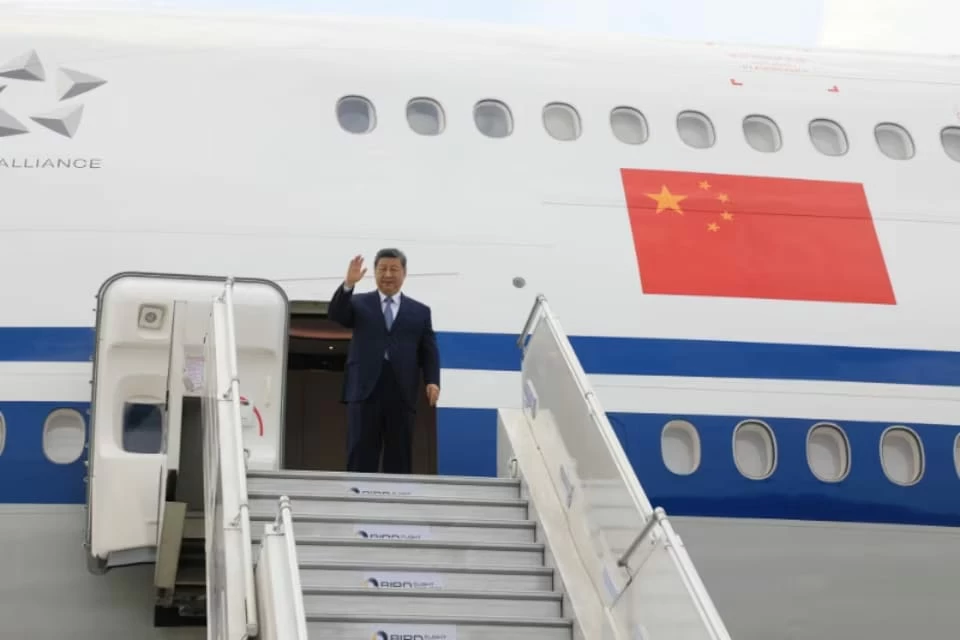
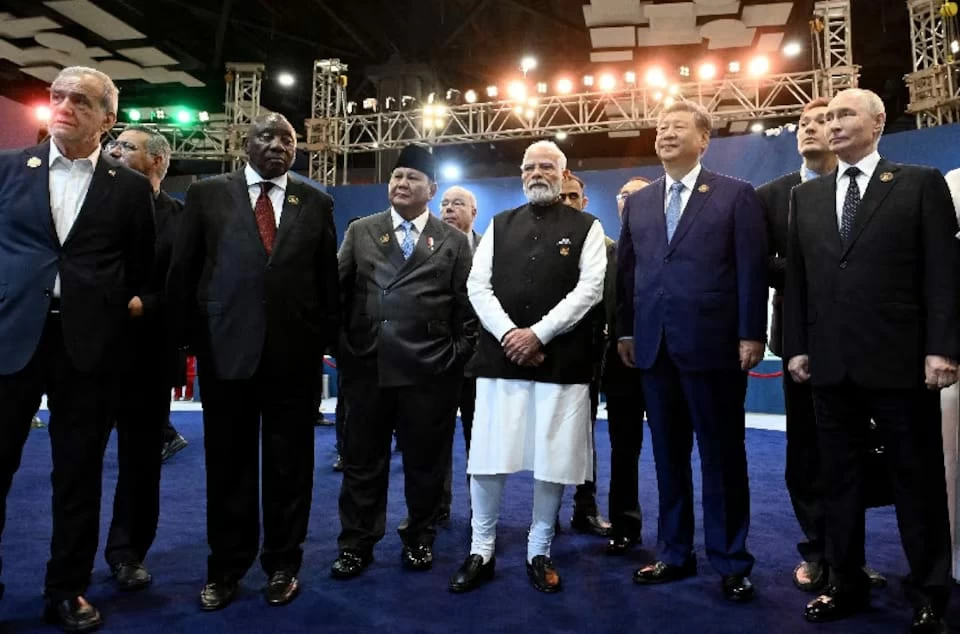
دعا الرئيس الصيني شي جين بينغ، (السبت)، تجمع بريكس إلى الاضطلاع بدور أكبر في إحلال السلام بالشرق الأوسط، مؤكداً أن الحرب الدائرة في المنطقة لا تخدم المصالح المشتركة للمجتمع الدولي، وذلك خلال قمة قادة دول التجمع المنعقدة في العاصمة الهندية نيودلهي.
وقال شي إن الصين مستعدة للعمل مع بقية أعضاء بريكس في هذا الدور، مشدداً على ضرورة أن يسهم التجمع في مواجهة تداعيات الأزمات الدولية وتعزيز السلام والاستقرار.
ونقلت شبكة التلفزيون الصينية الرسمية «CCTV» عن شي قوله إن الحرب في الشرق الأوسط «لا تخدم المصالح المشتركة للمجتمع الدولي»، داعياً إلى أن يكون بريكس قوة فاعلة في جهود التهدئة وإحلال السلام.
بريكس وثقل متزايد عالمياً
وتأسس تجمع بريكس عام 2009 بمشاركة البرازيل وروسيا والهند والصين وجنوب أفريقيا، قبل أن يتوسع لاحقاً ليضم مصر وإثيوبيا وإندونيسيا وإيران والإمارات العربية المتحدة.
ويمثل التجمع كتلة اقتصادية وسكانية ضخمة، إذ تضم دوله أكثر من 40% من سكان العالم ونحو ربع الاقتصاد العالمي، ما يمنحه وزناً متزايداً في الملفات السياسية والاقتصادية الدولية.
ووصف شي بريكس بأنه «مجموعة رائدة» في الجنوب العالمي، ونموذج للاعتماد على الذات بين الدول الناشئة والنامية، داعياً إلى تعزيز التنمية القائمة على الابتكار.
كما أعلن أن الصين ستتولى رئاسة بريكس العام المقبل، وستستضيف القمة التاسعة عشرة للتجمع.
لقاء شي ومودي
وعلى هامش القمة، عقد شي جين بينغ اجتماعاً مع رئيس الوزراء الهندي ناريندرا مودي، في خطوة تعكس مساعي البلدين لتعزيز الانفراج الدبلوماسي بين أكبر دولتين في آسيا.
وأكد الرئيس الصيني خلال اللقاء أن بكين تنظر إلى العلاقات مع نيودلهي من منظور «استراتيجي وطويل الأمد»، وفق ما أوردته وكالة أنباء «شينخوا» الصينية الرسمية.
وأضاف أن الصين والهند تستطيعان الاستفادة من نقاط القوة لدى كل منهما وتحقيق التنمية المشتركة.
وتكتسب المحادثات أهمية خاصة في ظل محاولة البلدين تجاوز سنوات من التوتر، خصوصاً أن زيارة شي إلى نيودلهي هي الأولى له منذ سبع سنوات.
ويرى محللون أن الزيارة يمكن أن تدفع باتجاه مزيد من التحسن في العلاقات الدبلوماسية بين الجانبين، رغم عدم وجود مؤشرات قوية حتى الآن على انفراجة مماثلة في العلاقات التجارية، التي لا تزال متأثرة بحالة من عدم الثقة المتبادلة.
إرث من التوتر بين الصين والهند
وتعود جذور التوتر بين الصين والهند إلى عقود، إذ خاض البلدان حرباً قصيرة عام 1962، لتظل العلاقات بينهما محكومة بالحذر والتنافس.
وتفاقمت الخلافات مجدداً بعد اشتباك حدودي عام 2020 أسفر عن مقتل 20 جندياً هندياً و4 جنود صينيين.
لكن العلاقات شهدت تحسناً تدريجياً خلال السنوات الأخيرة، خاصة بعد زيارة مودي إلى الصين العام الماضي، وفي ظل تعامل البلدين مع علاقات متقلبة مع الولايات المتحدة.
وتأتي قمة بريكس في وقت يسعى فيه التجمع إلى تعزيز حضوره كقوة مؤثرة في النظام الدولي، بالتزامن مع توسع عضويته وتزايد اهتمام دول الجنوب العالمي بتطوير أطر تعاون اقتصادي وسياسي خارج الأطر التقليدية التي هيمنت عليها القوى الغربية لعقود.
Chinese President Xi Jinping called on BRICS (on Saturday) to play a greater role in achieving peace in the Middle East, emphasizing that the ongoing war in the region does not serve the common interests of the international community, during the summit of the leaders of the group held in the Indian capital, New Delhi.
Xi stated that China is ready to work with the other BRICS members in this role, stressing the need for the group to contribute to addressing the repercussions of international crises and enhancing peace and stability.
The official Chinese television network "CCTV" reported Xi as saying that the war in the Middle East "does not serve the common interests of the international community," calling for BRICS to be an active force in efforts for de-escalation and peace.
BRICS and Increasing Global Weight
BRICS was established in 2009 with the participation of Brazil, Russia, India, China, and South Africa, before later expanding to include Egypt, Ethiopia, Indonesia, Iran, and the United Arab Emirates.
The group represents a massive economic and population bloc, as its member countries account for more than 40% of the world's population and about a quarter of the global economy, granting it increasing weight in international political and economic issues.
Xi described BRICS as a "leading group" in the global south, and a model for self-reliance among emerging and developing countries, calling for the promotion of innovation-based development.
He also announced that China will assume the presidency of BRICS next year and will host the group's nineteenth summit.
Xi and Modi Meeting
On the sidelines of the summit, Xi Jinping held a meeting with Indian Prime Minister Narendra Modi, reflecting the efforts of both countries to enhance diplomatic thawing between the two largest nations in Asia.
During the meeting, the Chinese president confirmed that Beijing views its relationship with New Delhi from a "strategic and long-term" perspective, according to the official Chinese news agency "Xinhua."
He added that China and India can benefit from each other's strengths and achieve mutual development.
The talks gain special importance amid the two countries' attempts to overcome years of tension, especially since Xi's visit to New Delhi is his first in seven years.
Analysts believe that the visit could push towards further improvement in diplomatic relations between the two sides, despite the lack of strong indications so far of a similar breakthrough in trade relations, which remain affected by a state of mutual distrust.
A Legacy of Tension Between China and India
The roots of tension between China and India date back decades, as the two countries fought a brief war in 1962, leaving their relations governed by caution and competition.
Disputes flared up again after a border clash in 2020 that resulted in the deaths of 20 Indian soldiers and 4 Chinese soldiers.
However, relations have seen gradual improvement in recent years, especially after Modi's visit to China last year, amid both countries dealing with fluctuating relations with the United States.
The BRICS summit comes at a time when the group is seeking to enhance its presence as an influential power in the international system, coinciding with its membership expansion and the increasing interest of global south countries in developing economic and political cooperation frameworks outside the traditional frameworks dominated by Western powers for decades.