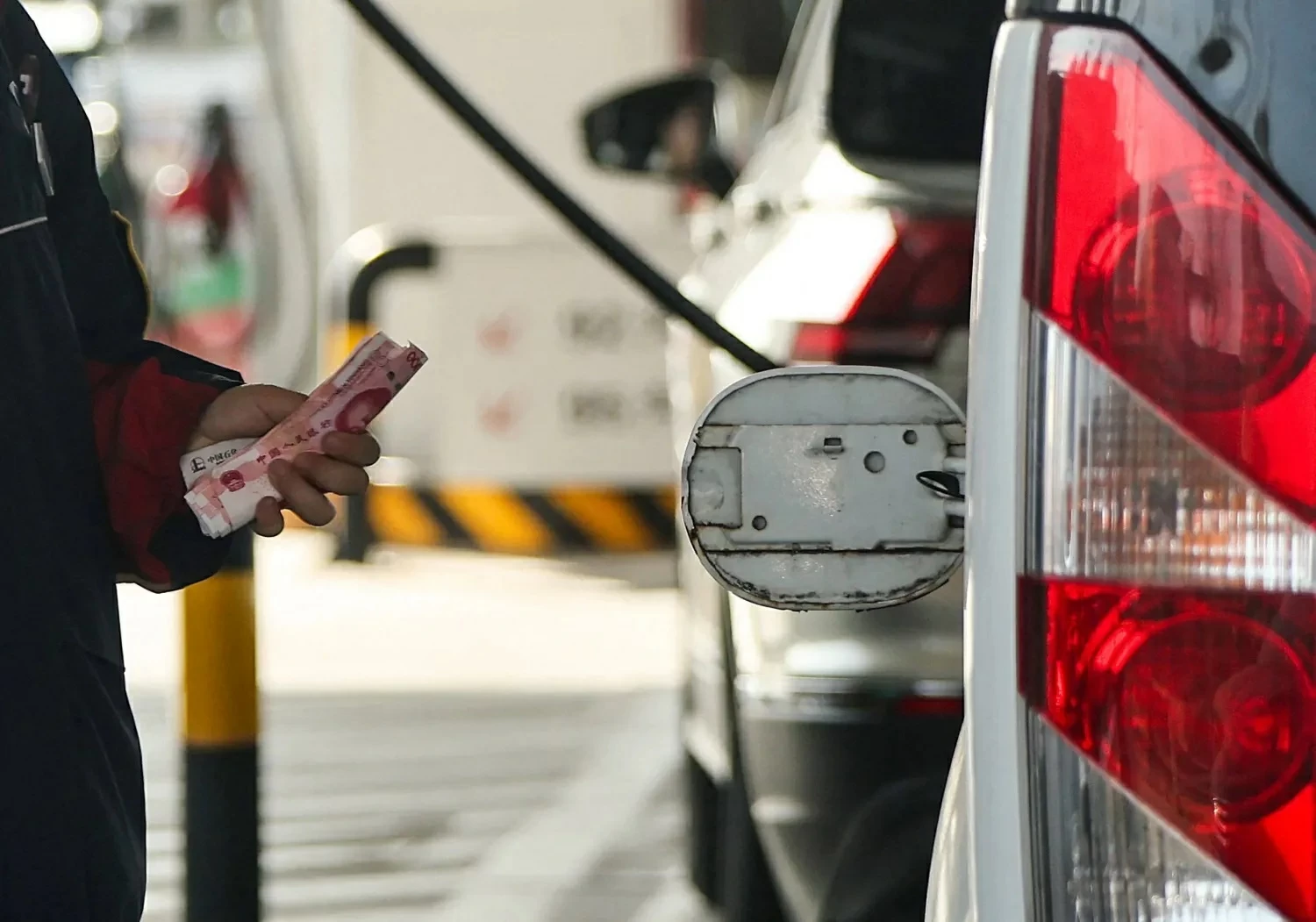
حدّت الصين زيادات أسعار وقود النقل بالتجزئة للمرة الثالثة منذ اندلاع الحرب مع إيران وأزمة مضيق هرمز، في محاولة للحد من تأثير ارتفاع أسعار النفط العالمية على السوق المحلية، وفقاً لما أعلنته اللجنة الوطنية للتنمية والإصلاح أمس (الجمعة).
وأعلنت اللجنة أن أسعار التجزئة للبنزين والديزل سترتفع بمقدار 260 يواناً (38.76 دولار) و250 يواناً للطن المتري على التوالي، ابتداءً من (السبت).
وأوضحت أن الزيادات كانت ستبلغ 435 يواناً للبنزين و420 يواناً للديزل للطن المتري، وفقاً لآلية التسعير المقررة في الصين.
وأفادت بأن أسعار التجزئة للبنزين والديزل بعد الزيادة ستكون أعلى بنحو 19% و21% على التوالي مقارنة بالمستويات التي حُددت في آخر تعديل للأسعار قبل اندلاع الحرب مع إيران.
وتراجعت أسعار النفط أمس (الجمعة)، لكنها ظلت على مسار إنهاء الأسبوع فوق 100 دولار للبرميل للمرة الأولى منذ منتصف مايو، بينما سجلت أسعار الديزل في أمريكا مستوى قياسياً، وسط مخاوف من استمرار اضطرابات الإمدادات بسبب الهجمات على طرق الشحن الرئيسية في الشرق الأوسط.
وانخفضت العقود الآجلة لخام برنت 1.65 دولار، أو 1.53%، إلى 105.98 دولار للبرميل بحلول الساعة 07:58 بتوقيت غرينتش، فيما تراجع خام غرب تكساس الوسيط الأمريكي 1.36 دولار، أو 1.33%، إلى 101.12 دولار.
وانخفض عدد السفن العابرة لمضيق هرمز إلى سبع سفن (الخميس)، مقارنة بـ11 في اليوم السابق، وفق بيانات أولية لتتبع السفن، وهو مستوى يقل كثيراً عن المتوسط البالغ 15 سفينة خلال الأيام العشرة الماضية.
وكان مضيق هرمز يمرر نحو خُمس إمدادات النفط والغاز الطبيعي المسال العالمية يومياً قبل اندلاع الحرب بين إيران وإسرائيل في أواخر فبراير.
China has limited retail fuel price increases for the third time since the outbreak of the war with Iran and the Strait of Hormuz crisis, in an attempt to mitigate the impact of rising global oil prices on the local market, according to the National Development and Reform Commission's announcement yesterday (Friday).
The commission announced that retail prices for gasoline and diesel will increase by 260 yuan ($38.76) and 250 yuan per metric ton, respectively, starting from (Saturday).
It clarified that the increases would have reached 435 yuan for gasoline and 420 yuan for diesel per metric ton, according to the pricing mechanism set in China.
It reported that retail prices for gasoline and diesel after the increase will be approximately 19% and 21% higher, respectively, compared to the levels set in the last price adjustment before the outbreak of the war with Iran.
Oil prices fell yesterday (Friday), but remained on track to end the week above $100 per barrel for the first time since mid-May, while diesel prices in America reached a record level amid concerns about ongoing supply disruptions due to attacks on major shipping routes in the Middle East.
Brent crude futures fell by $1.65, or 1.53%, to $105.98 per barrel by 07:58 GMT, while West Texas Intermediate crude dropped by $1.36, or 1.33%, to $101.12.
The number of ships transiting the Strait of Hormuz fell to seven vessels (Thursday), compared to 11 the previous day, according to preliminary ship tracking data, which is significantly below the average of 15 vessels over the past ten days.
Before the outbreak of the war between Iran and Israel in late February, the Strait of Hormuz was responsible for about one-fifth of the world's daily oil and liquefied natural gas supplies.