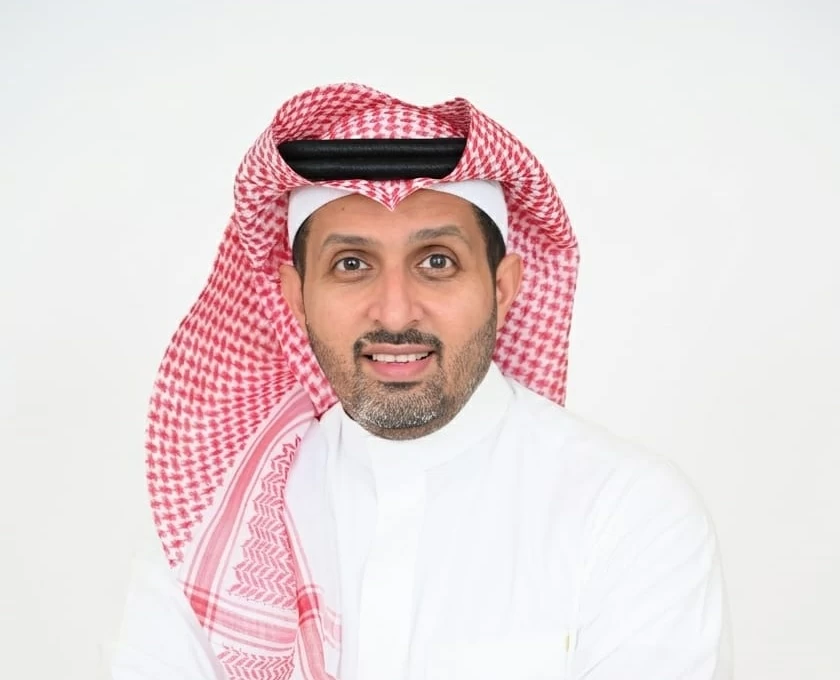
عبدالله خرمي:
- «سلام» تضطلع بدور محوري كشريك للتحول الرقمي، من خلال الجمع بين الخدمات السحابية، وإدارة الأمن السيبراني، وخدمات الاستضافة، والأقمار الصناعية والربط البيني.
- «قطاع الأعمال 2.0» الجديد يقوم على خمس ركائز مترابطة تعمل معًا ضمن منظومة رقمية متكاملة.
- نركز في «سلام» على نهج التطوير المشترك، من خلال العمل جنبًا إلى جنب مع عملائنا، بما يعكس نموذجًا أقرب إلى الشراكة الاستشارية منه إلى العلاقة التقليدية بين المورّد والعميل.
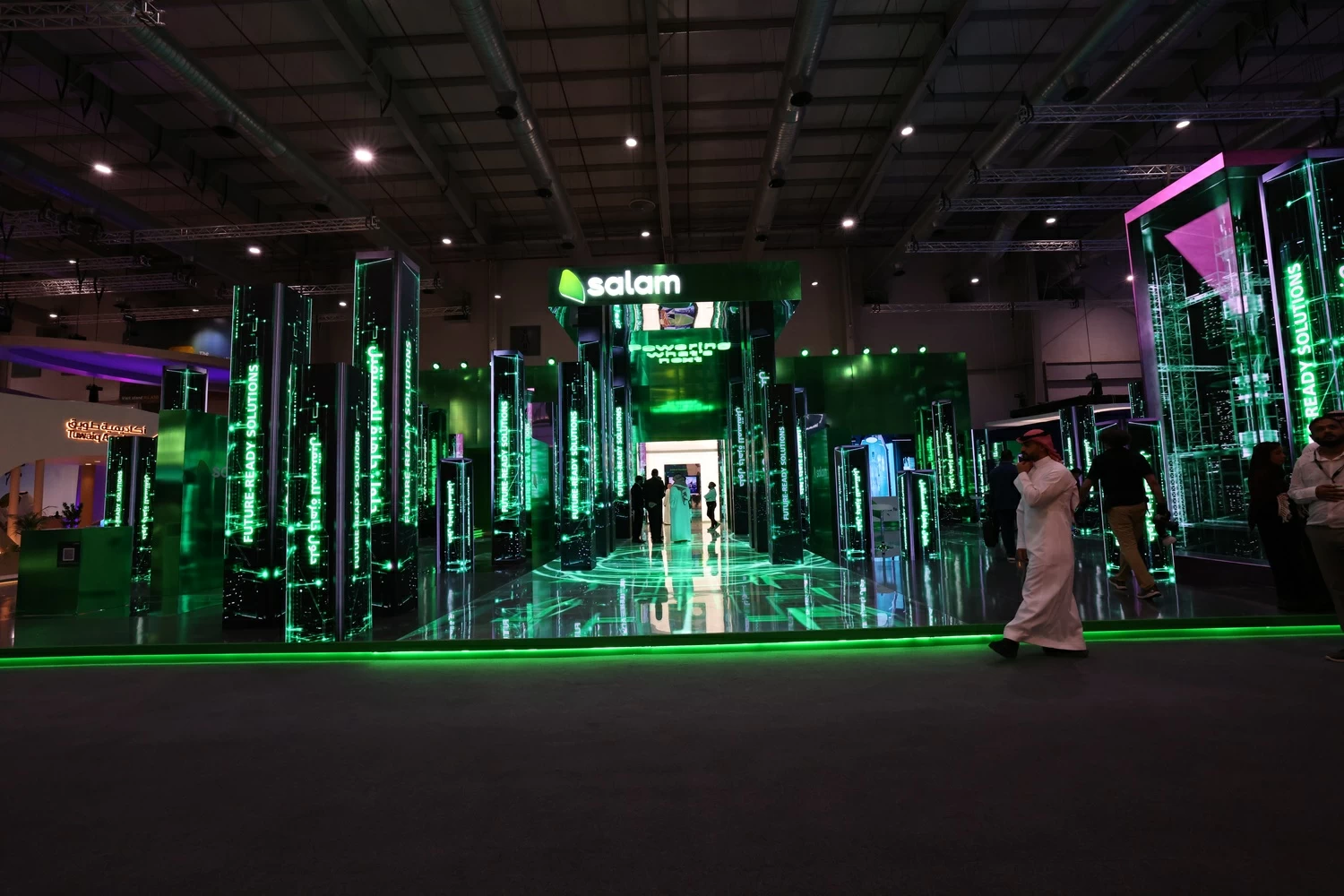
أكد الرئيس التنفيذي لقطاع الأعمال في شركة اتحاد سلام للاتصالات عبدالله خرمي، في حوار مع «عكاظ»، أن «سلام» تضطلع بدور محوري كشريك للتحول الرقمي، من خلال الجمع بين الخدمات السحابية، وإدارة الأمن السيبراني، وخدمات الاستضافة، والأقمار الصناعية والربط البيني، مشيرًا إلى أن محفظة «قطاع الأعمال 2.0» الجديد تحقق رؤية «سلام» لتكون مهندس التحول الرقمي في المملكة.
وقال خرمي إن «قطاع الأعمال 2.0» الجديد يقوم على خمس ركائز مترابطة تعمل معًا ضمن منظومة رقمية متكاملة، مؤكدًا أن «سلام» تركز على نهج التطوير المشترك، من خلال العمل جنبًا إلى جنب مع عملائنا، بما يعكس نموذجًا أقرب إلى الشراكة الاستشارية منه إلى العلاقة التقليدية بين المورّد والعميل، فإلى نص الحوار..
• ظل قطاع الاتصالات يعمل لعقود وفق نموذج تقليدي. ما الذي دفع «سلام» إلى إعادة النظر في نهجها تجاه خدمات قطاع الأعمال؟
•• على مدى سنوات، عملت شركات الاتصالات وفق معادلة واضحة ومتوقعة: بناء البنية التحتية، وبيع خدمات الاتصال، والمنافسة على الأسعار، ثم تكرار العملية. لكن الشركات التي نخدمها اليوم لم تعد تبحث فقط عن إنترنت أسرع، بل أصبحت تتطلع إلى معرفة كيفية توظيف الذكاء الاصطناعي في مختلف عملياتها، وكيف يمكن للحوسبة الطرفية تقليل زمن الاستجابة في منشآتها الصناعية، كما تحتاج إلى حلول للأمن السيبراني قادرة على الصمود أمام الهجمات المتطورة. وباتت تبحث عن شركاء، وليس مجرد مزودي خدمات.
هذا التحول دفعنا إلى إعادة تقييم نهجنا بصورة شاملة، واتخذنا قرارًا واضحًا بالانتقال من دور مزود لخدمات الاتصالات وتقنية المعلومات إلى شريك متخصص في التحول الرقمي.
• في ظل الاستثمارات الكبيرة التي تتدفق إلى مجال التحول الرقمي، ما أبرز التحديات التي تواجه الشركات في تحقيق النتائج المرجوة؟
•• لا شك أن الطموح نحو التحول الرقمي في المنطقة كبير، لكن التنفيذ لا يزال يمثل الفجوة الأهم. وتشير مجموعة بوسطن الاستشارية (BCG) إلى أن 77% من مبادرات التحول لا تحقق نتائج طويلة الأمد، فيما تشير «جارتنر» إلى أن 85% من المبادرات لا تتجاوز مرحلة المشاريع التجريبية.
وتشير تقديرات تراكمية صادرة عن شركات استشارية كبرى إلى هدر نحو 900 مليار دولار من استثمارات التحول الرقمي عالميًا كل عام. وتجد الشركات نفسها أمام منظومات معقدة من مزودي الخدمات والمنصات وتحديات التكامل، في الوقت الذي تسعى فيه إلى ضمان استمرارية أعمالها.
وهنا نرى في «سلام» أن بإمكاننا الإسهام بدور محوري كشريك للتحول الرقمي، من خلال الجمع بين الخدمات السحابية، وإدارة الأمن السيبراني، وخدمات الاستضافة، والأقمار الصناعية والربط البيني ضمن حلول مصممة لمعالجة تحديات أعمال محددة.
وتوفر شبكتنا الوطنية للألياف الضوئية، التي تمتد لأكثر من 19 ألف كيلومتر، إلى جانب مراكز البيانات في الرياض وجدة والخبر، ومحطات إنزال الكابلات الدولية في الخبر وجدة، العمود الفقري المادي لهذه القدرات.
كما نركز على نهج التطوير المشترك، من خلال العمل جنبًا إلى جنب مع عملائنا، بما يعكس نموذجًا أقرب إلى الشراكة الاستشارية منه إلى العلاقة التقليدية بين المورّد والعميل. وهذا أمر بالغ الأهمية، لأن الشركات التي نخدمها تحتاج بصورة متزايدة إلى شركاء يدركون أن قوة البنية التحتية لا تُقاس بالسرعة وحدها، بل بقدرتها على التكيف وتقديم الخدمات في أي وقت ومكان وتحت مختلف الظروف.
وتمتد حلولنا من الألياف الضوئية الأرضية إلى الاتصال عبر الأقمار الصناعية، بما يعزز استمرارية الأعمال دون انقطاع. وهكذا، انتقلت القيمة الحقيقية بهدوء من مجرد توفير النطاق الترددي إلى تعزيز المرونة والقدرة على الاستمرارية.
• قدمتم محفظة «قطاع الأعمال 2.0» باعتبارها نموذج تشغيل جديدًا بالكامل. ما الركائز الأساسية لهذا النموذج؟
•• يقوم «قطاع الأعمال 2.0» على خمس ركائز مترابطة تعمل معًا ضمن منظومة رقمية متكاملة. ويظل الاتصال هو الأساس؛ فلا يمكن تحقيق التحول الرقمي إذا كانت الشبكة تنقطع خلال ساعات الذروة، إلا أن الاتصال بمستوى المؤسسات أصبح اليوم من المتطلبات الأساسية، بينما يأتي التميز الحقيقي من الركائز الأربع الأخرى.
تتمثل الركيزة الأولى في الحلول السحابية القابلة للتوسع، وليس الحلول التي تكتشف بعد ستة أشهر أنها تنطوي على تكاليف قليلة، وإنما بنية تحتية مرنة بالفعل تنمو بالتوازي مع نمو أعمالك.
وتتمثل الركيزة الثانية في الذكاء الاصطناعي المدمج في العمليات التشغيلية، وليس المضاف إليها لاحقًا كحل ثانوي.
أما الأمن السيبراني، فيقوم على التعامل مع الأمن باعتباره جزءًا أساسيًا من بنية الحلول وليس مجرد إضافة، حيث توفر شبكات الجيل الخامس الخاصة للشركات اتصالًا مخصصًا وخاليًا من التداخل، بما يحافظ على عزل الأنظمة الحيوية عن ازدحام الشبكات العامة.
وأخيرًا، تأتي الخدمات المُدارة التي تتيح لفرق تقنية المعلومات الداخلية التركيز على الابتكار بدلًا من الانشغال المستمر بمعالجة المشكلات الطارئة.
وتكمن القوة الحقيقية في الطريقة التي تعمل بها هذه الركائز معًا كمنصة موحدة، لتحل محل الخدمات المجزأة والمنعزلة التي شكلت تحديًا أمام تقنيات قطاع الأعمال على مدى عقود.
• يكثر الحديث عن التحول بالذكاء الاصطناعي، لكن التطبيقات الفعلية تبدو محدودة. كيف تنظرون إلى تطبيق الذكاء الاصطناعي على أرض الواقع؟
•• الجميع يتحدث عن التحول بالذكاء الاصطناعي، لكن عددًا أقل بكثير يستطيع تقديم أمثلة على تطبيقات فعلية. وعلى أرض الواقع، يشمل ذلك تحليلات كاميرات المراقبة المدعومة بالذكاء الاصطناعي لإجراء المراقبة الفورية عبر المنشآت، وتقنيات التعرف على الوجوه واكتشاف الأجسام المتروكة بالاعتماد على البنية التحتية لشبكات الجيل الخامس الخاصة، إضافة إلى أنظمة التنبيه الأمنية القائمة على الحوسبة الطرفية، والتي تحلل بث الكاميرات محليًا بدلًا من إرساله إلى مركز بيانات بعيد، بما يتيح إصدار تنبيهات فورية عند اكتشاف دخول غير مصرح به أو مخاطر حرائق أو حالات طارئة.
وتعالج بنية الحوسبة الطرفية (Edge Computing) لدينا البيانات في المكان الذي يتم فيه توليدها، ما يقلل زمن الاستجابة ويتيح اتخاذ القرارات في الوقت الفعلي. كما تجمع العقد الطرفية البيانات من أجهزة الاستشعار والكاميرات وأنظمة التحكم في الدخول لإنشاء بيئات التوأم الرقمي (Digital Twin)، وهي تمثيلات رقمية حية للأصول المادية تتيح إجراء عمليات محاكاة تنبؤية لمجموعة واسعة من الاستخدامات، بدءًا من إدارة الحشود ووصولًا إلى تحسين استهلاك الطاقة.
وتضيف إنترنت الأشياء بُعدًا آخر من خلال نشر أجهزة الاستشعار على نطاق واسع لمراقبة أنظمة التدفئة والتهوية وتكييف الهواء والإضاءة والبنية التحتية للمياه واستهلاك الطاقة في الوقت الفعلي. كما تشمل التطبيقات الإدارة الذكية لدورات المياه، والصيانة التنبؤية التي تكشف المشكلات قبل تحولها إلى أعطال مكلفة، والمراقبة البيئية التي تتكيف تلقائيًا مع الظروف المحيطة.
هذه هي الصورة الحقيقية للعمليات الحديثة في قطاع الأعمال، وبكل وضوح، فإن شريك التقنية الذي لا يستطيع تقديم هذا المستوى من الذكاء المتكامل أصبح متأخرًا بالفعل عن متطلبات السوق.
• يواجه قطاع التقنية تحديات كبيرة في التعامل مع عملاء قطاع الأعمال. كيف تعالج محفظة «قطاع الأعمال 2.0» هذه التحديات؟
•• واجه عدد كبير من الشركات تجارب سلبية مع مزودي خدمات قدموا وعودًا أكبر من قدرتهم على التنفيذ، أو باعوا حلولًا دون فهم حقيقي للمشكلات، ثم غابوا عن المشهد بمجرد توقيع العقود.
وتقوم محفظة «قطاع الأعمال 2.0» لدينا على فلسفة مختلفة تمامًا. فنحن نركز على حلول مصممة خصيصًا لتلبية الاحتياجات الفردية لكل شركة، بدلًا من تقديم حزم جاهزة تفرض على الشركات تكييف أعمالها مع التقنية، في حين ينبغي أن تتكيف التقنية مع احتياجات أعمالها.
كما نركز على علاقات قائمة على الشراكة والنمو المشترك، مع اعتبار الثقة والشفافية ركائز أساسية لا يمكن التنازل عنها. وفي سوق تتعدد فيه الخيارات أمام الشركات، سيكون النجاح من نصيب الشركاء الذين يعتبرون نجاح العميل نجاحًا لهم أيضًا.
فكل تحسن في الكفاءة نسهم في تحقيقه، وكل اختراق أمني نساعد على منعه، وكل تحدٍ مرتبط بالتوسع نساعد في حله، يسهم في بناء علاقات راسخة تدعم النمو على المدى الطويل.
• كيف ترون مستقبل دور شركات الاتصالات في ظل التطورات المتسارعة التي يشهدها قطاع التقنية؟
•• ستأتي الموجة المقبلة من التنافسية في المملكة العربية السعودية من خلال التعاون القائم على المنصات. فالحدود التقليدية بين مزودي التقنية آخذة في التلاشي، ولم تعد الشركات ترغب في إدارة علاقات منفصلة مع مزود لخدمات الاتصال، وآخر للخدمات السحابية، وشركة مختلفة للأمن السيبراني، ومتخصص آخر في الذكاء الاصطناعي.
ما تبحث عنه الشركات اليوم هو منظومات متكاملة، ومنصات موحدة، وجهة واحدة تتحمل المسؤولية. وتتمتع شركات الاتصالات بمزايا فريدة تؤهلها للقيام بهذا الدور، شريطة أن تكون مستعدة للتطور.
وستتحول الشركات التي تتبنى هذا التحول إلى جهات تقود وتنسق منظومات الابتكار، لتصبح في قلب المنظومات الرقمية التي تولد القيمة عبر مختلف مكونات البنية التقنية للشركات.
ولقد اتخذنا في شركة «سلام» خيارنا. وتجسد محفظة «قطاع الأعمال 2.0» رؤيتنا الطموحة للمرحلة المقبلة التي نعمل فيها على تمكين تبني الحلول السحابية، والذكاء الاصطناعي، ونوفر البنية التحتية للأمن السيبراني وإنترنت الأشياء التي تتطلبها العمليات الحديثة، ونمكّن المنشآت الصغيرة والمتوسطة والشركات الناشئة من التوسع من خلال واجهات برمجة التطبيقات المفتوحة (Open APIs) وشراكات التطوير المشترك.
Abdullah Khurmi:
- "Salam" plays a pivotal role as a partner in digital transformation by combining cloud services, cybersecurity management, hosting services, satellite services, and interconnectivity.
- The new "Business Sector 2.0" is based on five interconnected pillars that work together within an integrated digital ecosystem.
- At "Salam," we focus on a collaborative development approach by working side by side with our clients, reflecting a model closer to a consulting partnership than the traditional supplier-client relationship.
The CEO of the Business Sector at Etihad Salam Telecommunications, Abdullah Khurmi, confirmed in an interview with "Okaz" that "Salam" plays a pivotal role as a partner in digital transformation by combining cloud services, cybersecurity management, hosting services, satellite services, and interconnectivity, pointing out that the portfolio of the new "Business Sector 2.0" realizes "Salam's" vision to be the engineer of digital transformation in the Kingdom.
Khurmi stated that the new "Business Sector 2.0" is based on five interconnected pillars that work together within an integrated digital ecosystem, emphasizing that "Salam" focuses on a collaborative development approach by working side by side with our clients, reflecting a model closer to a consulting partnership than the traditional supplier-client relationship. Here is the text of the interview..
• The telecommunications sector has operated for decades under a traditional model. What prompted "Salam" to reconsider its approach to business sector services?
•• For years, telecommunications companies have operated under a clear and predictable equation: building infrastructure, selling communication services, competing on prices, and then repeating the process. However, the companies we serve today are no longer just looking for faster internet; they are looking to understand how to leverage artificial intelligence in their various operations and how edge computing can reduce response times in their industrial facilities. They also need cybersecurity solutions capable of withstanding advanced attacks. They are now seeking partners, not just service providers.
This shift prompted us to reassess our approach comprehensively, and we made a clear decision to transition from being a telecommunications and IT service provider to a specialized partner in digital transformation.
• In light of the significant investments flowing into the field of digital transformation, what are the main challenges companies face in achieving the desired results?
•• There is no doubt that the ambition for digital transformation in the region is high, but execution still represents the most significant gap. The Boston Consulting Group (BCG) indicates that 77% of transformation initiatives do not achieve long-term results, while Gartner states that 85% of initiatives do not go beyond the pilot project stage.
Cumulative estimates from major consulting firms suggest that around $900 billion of digital transformation investments are wasted globally each year. Companies find themselves facing complex systems of service providers and platforms and integration challenges while trying to ensure business continuity.
Here at "Salam," we see that we can play a pivotal role as a partner in digital transformation by combining cloud services, cybersecurity management, hosting services, satellite services, and interconnectivity within solutions designed to address specific business challenges.
Our national fiber optic network, which spans over 19,000 kilometers, along with data centers in Riyadh, Jeddah, and Khobar, and international cable landing stations in Khobar and Jeddah, provides the physical backbone for these capabilities.
We also focus on a collaborative development approach by working side by side with our clients, reflecting a model closer to a consulting partnership than the traditional supplier-client relationship. This is crucial because the companies we serve increasingly need partners who understand that the strength of infrastructure is not measured by speed alone but by its ability to adapt and deliver services anytime, anywhere, and under various conditions.
Our solutions extend from terrestrial fiber optics to satellite connectivity, enhancing business continuity without interruption. Thus, the real value has quietly shifted from merely providing bandwidth to enhancing resilience and the ability to sustain operations.
• You presented the "Business Sector 2.0" portfolio as a completely new operating model. What are the core pillars of this model?
•• "Business Sector 2.0" is based on five interconnected pillars that work together within an integrated digital ecosystem. Connectivity remains fundamental; digital transformation cannot be achieved if the network goes down during peak hours. However, enterprise-level connectivity has become a basic requirement today, while true excellence comes from the other four pillars.
The first pillar is scalable cloud solutions, not solutions that discover after six months that they involve low costs, but rather a truly flexible infrastructure that grows in parallel with your business growth.
The second pillar is artificial intelligence integrated into operational processes, not added later as a secondary solution.
Cybersecurity is based on treating security as an essential part of the solution architecture, not just an add-on, as private 5G networks for enterprises provide dedicated, interference-free connectivity, keeping critical systems isolated from the congestion of public networks.
Finally, managed services allow internal IT teams to focus on innovation rather than being continuously preoccupied with addressing urgent issues.
The real strength lies in how these pillars work together as a unified platform, replacing the fragmented and isolated services that have posed challenges for business technologies for decades.
• There is much talk about transformation through artificial intelligence, but actual applications seem limited. How do you view the application of artificial intelligence in practice?
•• Everyone talks about transformation through artificial intelligence, but far fewer can provide examples of actual applications. In practice, this includes AI-supported surveillance camera analytics for real-time monitoring across facilities, facial recognition technologies, and abandoned object detection relying on private 5G network infrastructure, in addition to security alert systems based on edge computing, which analyze camera feeds locally instead of sending them to a remote data center, allowing for immediate alerts upon detecting unauthorized entry, fire hazards, or emergencies.
Our edge computing architecture processes data where it is generated, reducing response times and enabling real-time decision-making. The edge nodes collect data from sensors, cameras, and access control systems to create digital twin environments, which are live digital representations of physical assets that allow for predictive simulations for a wide range of use cases, from crowd management to optimizing energy consumption.
The Internet of Things adds another dimension by deploying sensors widely to monitor heating, ventilation, air conditioning, lighting, water infrastructure, and real-time energy consumption. Applications include smart restroom management, predictive maintenance that identifies issues before they turn into costly failures, and environmental monitoring that automatically adapts to surrounding conditions.
This is the real picture of modern operations in the business sector, and clearly, a technology partner that cannot deliver this level of integrated intelligence is already falling behind market demands.
• The technology sector faces significant challenges in dealing with business sector clients. How does the "Business Sector 2.0" portfolio address these challenges?
•• A large number of companies have faced negative experiences with service providers who made promises beyond their ability to deliver or sold solutions without a true understanding of the problems, only to disappear from the scene once contracts were signed.
Our "Business Sector 2.0" portfolio is based on a completely different philosophy. We focus on solutions specifically designed to meet the individual needs of each company, rather than offering ready-made packages that force companies to adapt their operations to technology, while technology should adapt to their business needs.
We also focus on relationships based on partnership and mutual growth, with trust and transparency as fundamental pillars that cannot be compromised. In a market where companies have multiple options, success will belong to partners who view the client's success as their own.
Every improvement in efficiency we contribute to achieving, every security breach we help prevent, and every challenge related to expansion we assist in solving contributes to building solid relationships that support long-term growth.
• How do you see the future role of telecommunications companies amid the rapid developments in the technology sector?
•• The next wave of competitiveness in the Kingdom of Saudi Arabia will come through platform-based collaboration. The traditional boundaries between technology providers are fading, and companies no longer wish to manage separate relationships with a telecommunications service provider, another for cloud services, a different one for cybersecurity, and yet another specialist in artificial intelligence.
What companies are looking for today are integrated ecosystems, unified platforms, and a single point of accountability. Telecommunications companies have unique advantages that qualify them to play this role, provided they are ready to evolve.
Companies that embrace this transformation will become entities that lead and coordinate innovation ecosystems, placing them at the heart of digital ecosystems that generate value across various components of companies' technological infrastructure.
At "Salam," we have made our choice. The "Business Sector 2.0" portfolio embodies our ambitious vision for the next phase, where we work on enabling the adoption of cloud solutions, artificial intelligence, and providing the cybersecurity and IoT infrastructure required for modern operations, empowering small and medium enterprises and startups to scale through open APIs and collaborative development partnerships.