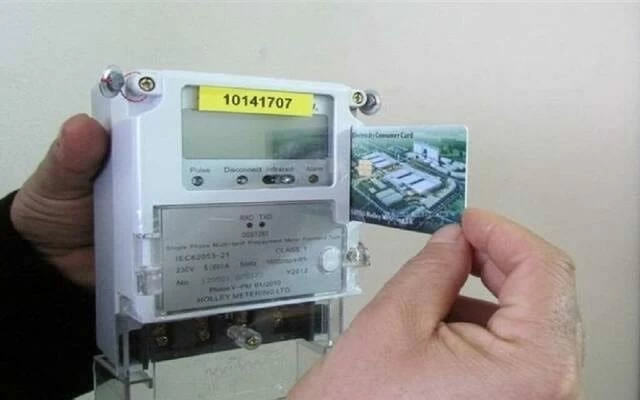
أعلنت وزارة الكهرباء والطاقة المتجددة المصرية اعتماد تعريفة جديدة لاستهلاك الكهرباء للمنازل، تقضي بتثبيت أسعار الشريحة الأولى من الاستهلاك، مع زيادة أسعار باقي الشرائح السكنية بمتوسط يبلغ 12%، في إطار جهود الحكومة لضمان استقرار إمدادات الكهرباء وتحقيق الاستدامة المالية لمنظومة الطاقة.
وقالت الوزارة، في بيان رسمي، مساء الجمعة، إن التعريفة الجديدة تهدف إلى الحفاظ على استقرار خدمات إنتاج ونقل وتوزيع الكهرباء، بما يضمن استمرار توفير الطاقة للمستهلكين، مع مراعاة استمرار الدعم للفئات الأقل استهلاكاً.
استمرار دعم محدودي الاستهلاك
وأوضحت الوزارة أن الدولة تتحمل سنوياً نحو 100 مليار جنيه (ما يعادل نحو 1.9 مليار دولار) لسد الفجوة بين التكلفة الفعلية لإنتاج الكهرباء والأسعار التي يدفعها المستهلكون. وأضافت أن حجم الدعم يتراجع تدريجياً مع زيادة معدلات الاستهلاك، إذ يدفع المشتركون:
* نحو 25% من التكلفة الفعلية عند استهلاك 50 كيلوواط/ساعة شهرياً.
* نحو 50% من التكلفة عند استهلاك 300 كيلوواط/ساعة.
* نحو 60% عند استهلاك يراوح بين 500 و600 كيلوواط/ساعة.
* نحو 88% من التكلفة عند استهلاك يراوح بين 700 و1000 كيلوواط/ساعة.
وأشارت الوزارة إلى أن الأسر التي يصل استهلاكها إلى 2000 كيلوواط/ساعة شهرياً تتحمل التكلفة الكاملة للكهرباء دون أي دعم حكومي.
زيادات جديدة بعد تعديل سابق في أبريل
وتأتي الزيادة الجديدة بعد أشهر من قرار الحكومة في أبريل الماضي رفع أسعار الكهرباء للمشتركين ذوي الاستهلاك المرتفع، إلى جانب الأنشطة التجارية، بنسبة راوحت بين 16% و20%.
وعزت الحكومة تلك الزيادة إلى ارتفاع تكاليف الطاقة عالمياً، على خلفية الحرب في منطقة الشرق الأوسط، والتي أدت إلى تضاعف فاتورة واردات مصر من الوقود والطاقة.
ضغوط على قطاع الطاقة
ويأتي التعديل الأخير في ظل الضغوط التي تواجه قطاع الطاقة، بعد تعرض إحدى وحدات التغويز العائمة الأربع في مصر لأضرار نتيجة هجوم بطائرة مسيّرة لم تعلن أي جهة مسؤوليتها عنه.
وأدت الحادثة إلى اضطرار الحكومة للاعتماد بصورة أكبر على زيت الوقود (المازوت) الأعلى تكلفة لتشغيل محطات الكهرباء، بالتزامن مع ذروة الطلب على الكهرباء خلال فصل الصيف، والتي تراوح بين 37 و39 جيجاواط.
وترى الحكومة أن تعديل التعريفة يمثل جزءاً من إجراءات تهدف إلى الحفاظ على استقرار الشبكة الكهربائية وضمان استمرار توفير الطاقة، مع الإبقاء على مظلة الدعم الموجهة إلى الشرائح الأقل استهلاكاً، في ظل التحديات المتزايدة التي تواجه قطاع الطاقة.
The Egyptian Ministry of Electricity and Renewable Energy has announced the approval of a new tariff for household electricity consumption, which stipulates the stabilization of prices for the first consumption tier, while increasing prices for the remaining residential tiers by an average of 12%. This is part of the government's efforts to ensure the stability of electricity supplies and achieve financial sustainability for the energy system.
The ministry stated in an official statement on Friday evening that the new tariff aims to maintain the stability of electricity production, transmission, and distribution services, ensuring the continued provision of energy to consumers, while taking into account the ongoing support for lower consumption categories.
Continued Support for Low Consumers
The ministry clarified that the state bears approximately 100 billion Egyptian pounds (equivalent to about 1.9 billion dollars) annually to bridge the gap between the actual cost of electricity production and the prices paid by consumers. It added that the volume of support gradually decreases with increased consumption rates, as subscribers pay:
* about 25% of the actual cost when consuming 50 kWh per month.
* about 50% of the cost when consuming 300 kWh.
* about 60% when consuming between 500 and 600 kWh.
* about 88% of the cost when consuming between 700 and 1000 kWh.
The ministry indicated that families consuming up to 2000 kWh per month bear the full cost of electricity without any government support.
New Increases Following Previous Adjustment in April
The new increase comes months after the government's decision in April to raise electricity prices for high-consumption subscribers, as well as commercial activities, by rates ranging between 16% and 20%.
The government attributed this increase to the rise in global energy costs, against the backdrop of the war in the Middle East, which has led to a doubling of Egypt's fuel and energy import bills.
Pressures on the Energy Sector
The recent adjustment comes amid pressures facing the energy sector, following damage to one of the four floating gas units in Egypt due to a drone attack for which no party has claimed responsibility.
This incident forced the government to rely more on the higher-cost fuel oil (mazut) to operate power plants, coinciding with peak electricity demand during the summer, which ranges between 37 and 39 gigawatts.
The government believes that the tariff adjustment is part of measures aimed at maintaining the stability of the electrical grid and ensuring the continued provision of energy, while keeping the support umbrella directed towards lower consumption tiers, amid the increasing challenges facing the energy sector.