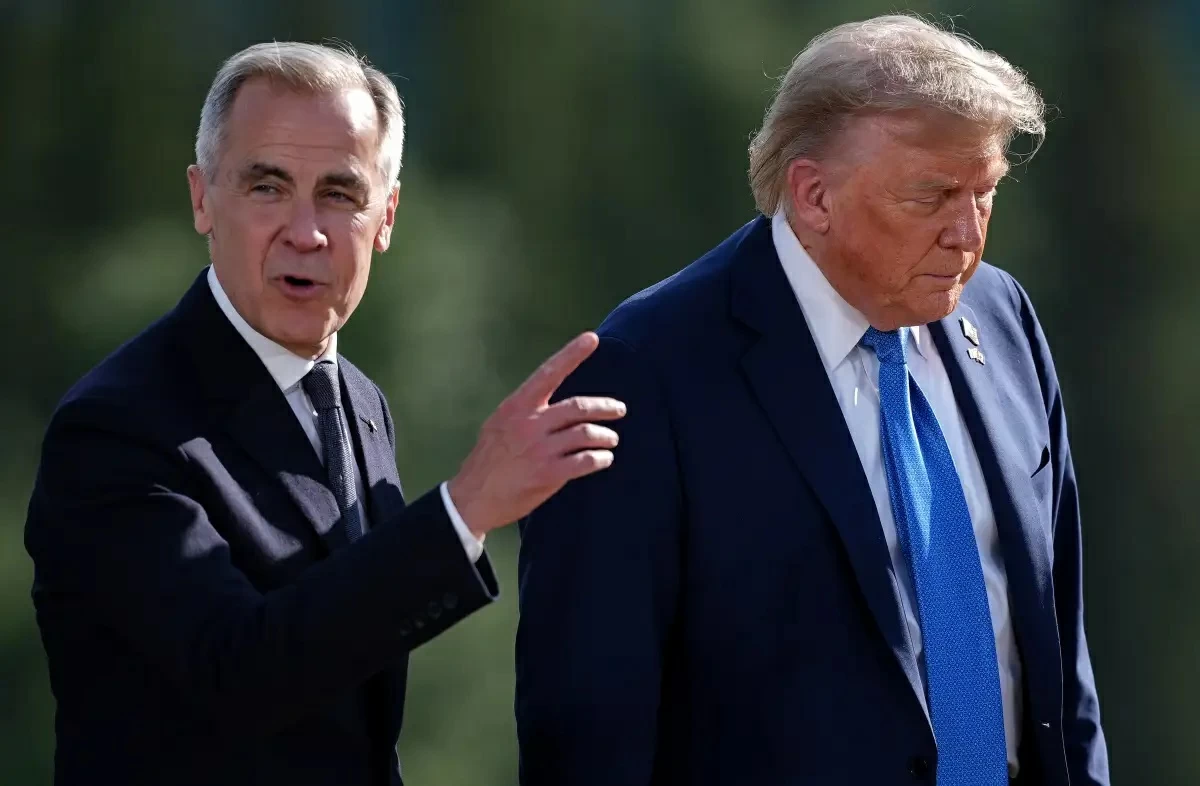
أعلن الرئيس الأمريكي دونالد ترمب فرض رسوم جمركية عقابية بنسبة 50% على مجموعة واسعة من الواردات الكندية، متهماً أوتاوا باتباع سياسات تمييزية ضد السيارات والمنتجات الزراعية والمشروبات الروحية الأمريكية، في خطوة تهدد بتوسيع نطاق الحرب التجارية العالمية.
وقال البيت الأبيض إن الرسوم الجديدة، التي تدخل حيز التنفيذ بعد 30 يوماً؛ ستشمل سلعاً متنوعة من بينها النبيذ، والإسمنت، ومعدات الهوكي، ومنتجات الألبان، وأحواض السباحة، والأثاث، وقضبان الصيد، والبذور، والملابس، والشعر المستعار، وغيرها.
واستند ترمب في قراره إلى المادة 338 من قانون التعرفة الجمركية الأمريكي الصادر عام 1930، التي تمنح الرئيس صلاحية فرض رسوم عقابية تصل إلى 50% على الدول التي يُنظر إليها على أنها تمارس تمييزاً ضد السلع الأمريكية، ويعد هذا أول استخدام معروف لهذه المادة منذ إقرارها قبل نحو قرن.
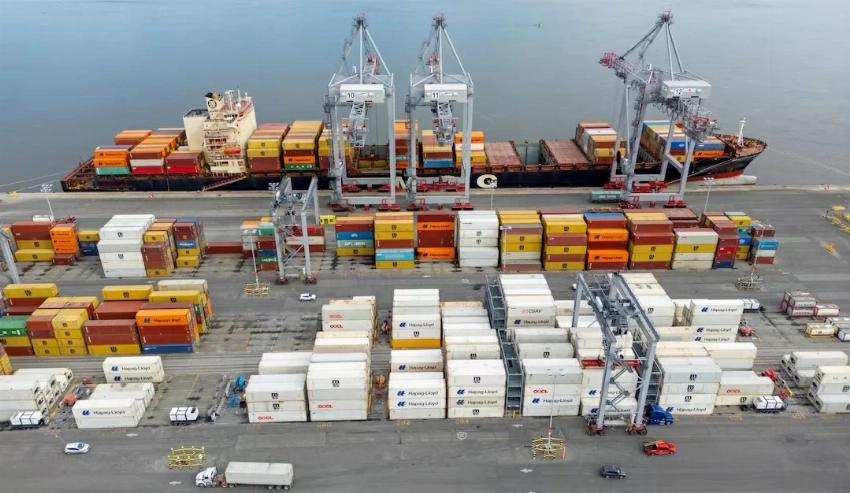
وأوضح مكتب الممثل التجاري الأمريكي أن الرسوم ستطال واردات كندية تُقدر قيمتها بنحو 20 مليار دولار؛ أي ما يعادل نحو 5.2% من إجمالي الواردات الأمريكية من كندا، التي بلغت 382 مليار دولار خلال عام 2025.
وقال الممثل التجاري الأمريكي جيميسون غرير: إن الإدارة الأمريكية تواصل العمل على إبرام اتفاقيات تجارية «عادلة ومتبادلة»، لكنه اتهم كندا، على خلاف شركاء وحلفاء آخرين، بمواصلة اتخاذ إجراءات انتقامية ضد الولايات المتحدة رداً على جهود واشنطن لإعادة التوازن التجاري وحماية صناعاتها في القطاعات المرتبطة بالأمن القومي.
في المقابل، أكد رئيس الوزراء الكندي مارك كارني أن حكومته قدمت مقترحات شاملة لتسوية الخلافات التجارية مع الولايات المتحدة، مشدداً على أن الرسوم الجمركية التي فرضها ترمب سابقاً تنتهك اتفاقية التجارة الحرة بين الولايات المتحدة والمكسيك وكندا. وقال كارني: إن النزاع التجاري أدى إلى زيادة الأعباء على الأسر، لا سيما داخل الولايات المتحدة، مؤكداً استعداد بلاده للدخول في مفاوضات مكثفة مع واشنطن لمعالجة القضايا العالقة بما يخدم مصالح مواطني البلدين.
وتتهم إدارة ترمب كندا، إلى جانب الصين، بالرد بإجراءات انتقامية على سلسلة الرسوم الجمركية التي فرضتها واشنطن منذ عودة ترامب إلى البيت الأبيض العام الماضي. كما استبعدت الإدارة الأمريكية كندا من المحادثات الجارية مع المكسيك بشأن التعديلات التي تسعى واشنطن إلى إدخالها على اتفاقية التجارة الحرة لأمريكا الشمالية، في حين يجري الممثل التجاري الأمريكي مباحثات ثنائية مع المسؤولين المكسيكيين في مكسيكو سيتي هذا الأسبوع.
وجاء الإعلان عن الرسوم الجديدة بعد يوم واحد من لقاء جمع ترامب وكارني على هامش نهائي كأس العالم لكرة القدم في ولاية نيوجيرسي، حيث طالب الرئيس الأمريكي نظيره الكندي باتخاذ إجراءات أكثر فاعلية للسيطرة على حرائق الغابات التي تسببت في انتقال الدخان إلى مناطق واسعة داخل الولايات المتحدة.
وكان ترمب قد لوّح، الأسبوع الماضي، بإضافة ما وصفه بـ«التكلفة غير القابلة للحساب» الناجمة عن تلوث الهواء إلى الرسوم المفروضة على السلع الكندية.
قانون يعود إلى ثلاثينيات القرن الماضي
ويُعد قانون التعرفة الجمركية لعام 1930، لا سيما المادة 338 منه، أحد أبرز التشريعات المرتبطة برفع الرسوم الجمركية الأمريكية خلال فترة الكساد الكبير، وهي السياسات التي يرى مؤرخون اقتصاديون أنها أسهمت في تعميق الأزمة الاقتصادية العالمية آنذاك.
وقال المسؤول التجاري الأمريكي السابق في إدارة الرئيس جورج بوش الابن، جون فيرونو: إن المادة 338 وُضعت لضمان معاملة جميع الدول على قدم المساواة في التعرفات الجمركية، ومنع منح مزايا تفضيلية لدول معينة على حساب الصادرات الأمريكية. وأشار إلى أنه، رغم دراسة رؤساء أمريكيين سابقين؛ من بينهم فرانكلين روزفلت، استخدام هذه المادة، فإنه لا توجد سوابق موثقة لتفعيلها قبل قرار ترامب. واعتبر فيرونو أن اللجوء إلى هذه المادة للرد على رسوم فرضتها دول أخرى بسبب إجراءات أمريكية، يُعد أمراً «مثيراً للمفارقة»، موضحاً أن القرار قد يكون قانونياً من الناحية الشكلية، لكنه يتعارض مع الهدف الأساسي الذي أنشئت المادة من أجله، والمتمثل في تعزيز مبدأ المساواة في المعاملة الجمركية بين الدول.
انتقادات للنظام التجاري الكندي
ومن المقرر أن تدخل الرسوم الجديدة حيز التنفيذ في 19 أغسطس، وستُطبق حتى على السلع التي تستوفي شروط الإعفاء المنصوص عليها في اتفاقية USMCA، باستثناء بعض المنتجات التي أعفاها ترمب، مثل الطاقة، والبوتاس، والأسماك، والمعادن الحيوية، والسلع الخاضعة أصلاً لرسوم المادة 232.
وبرر البيت الأبيض القرار باتهام كندا بتطبيق نظام (حمائي) لإدارة إمدادات الألبان، إلى جانب فرض رسوم وحصص على السيارات الأمريكية، في حين تمنح معاملة أكثر تفضيلاً لواردات من دول أخرى.
ورد كارني بأن كندا لم تفعل سوى معاملة الولايات المتحدة بالمثل، رداً على الرسوم الأمريكية التي قال إنها تخالف اتفاقية التجارة الحرة.
كما انتقدت واشنطن قيام معظم المقاطعات الكندية بوقف بيع المشروبات الكحولية الأمريكية، وهو الإجراء الذي اتخذته أوتاوا رداً على الرسوم الأمريكية السابقة.
ووفقاً للبيت الأبيض، تراجعت واردات كندا من السيارات الأمريكية بنسبة 22% خلال العام الماضي، بينما انخفضت مشترياتها من المشروبات الروحية الأمريكية بنسبة 81%.
من جانبه، قال المستشار السابق لرئيس الوزراء الكندي الأسبق جاستن ترودو لشؤون العلاقات مع الولايات المتحدة، دايموند إيسنغر: إن الحكومة الفيدرالية لا تمتلك صلاحيات واسعة لإجبار المقاطعات على استئناف بيع المشروبات الروحية الأمريكية، موضحاً أن القرار يعود في الأساس إلى حكومات المقاطعات، ما لم يتم اللجوء إلى إجراءات استثنائية.
U.S. President Donald Trump announced a 50% punitive tariff on a wide range of Canadian imports, accusing Ottawa of discriminatory policies against American cars, agricultural products, and spirits, in a move that threatens to escalate the global trade war.
The White House stated that the new tariffs, which will take effect in 30 days, will cover various goods including wine, cement, hockey equipment, dairy products, swimming pools, furniture, fishing rods, seeds, clothing, wigs, and more.
Trump based his decision on Section 338 of the U.S. Tariff Act of 1930, which grants the president the authority to impose punitive tariffs of up to 50% on countries deemed to be discriminating against American goods. This is the first known use of this provision since its enactment nearly a century ago.
The Office of the U.S. Trade Representative clarified that the tariffs will affect Canadian imports valued at approximately $20 billion, which is about 5.2% of total U.S. imports from Canada, which reached $382 billion in 2025.
U.S. Trade Representative Jamison Greer stated that the U.S. administration continues to work on establishing "fair and reciprocal" trade agreements, but accused Canada, unlike other partners and allies, of continuing to take retaliatory actions against the U.S. in response to Washington's efforts to rebalance trade and protect its industries in national security-related sectors.
In contrast, Canadian Prime Minister Mark Carney confirmed that his government has put forward comprehensive proposals to resolve trade disputes with the United States, emphasizing that the tariffs previously imposed by Trump violate the free trade agreement between the U.S., Mexico, and Canada. Carney stated that the trade dispute has increased burdens on families, particularly within the United States, asserting his country's readiness to engage in intensive negotiations with Washington to address outstanding issues in a way that serves the interests of citizens in both countries.
The Trump administration accuses Canada, alongside China, of retaliating against a series of tariffs imposed by Washington since Trump returned to the White House last year. The U.S. administration also excluded Canada from ongoing talks with Mexico regarding amendments Washington seeks to introduce to the North American Free Trade Agreement, while the U.S. Trade Representative is holding bilateral discussions with Mexican officials in Mexico City this week.
The announcement of the new tariffs came just one day after a meeting between Trump and Carney on the sidelines of the FIFA World Cup final in New Jersey, where the U.S. president urged his Canadian counterpart to take more effective measures to control wildfires that have caused smoke to spread across large areas within the United States.
Last week, Trump hinted at adding what he described as "the unquantifiable cost" resulting from air pollution to the tariffs imposed on Canadian goods.
A Law from the 1930s
The Tariff Act of 1930, particularly Section 338, is one of the most notable legislations associated with raising U.S. tariffs during the Great Depression, policies that economic historians believe contributed to deepening the global economic crisis at that time.
John Veruno, a former U.S. trade official in the administration of President George W. Bush, stated that Section 338 was established to ensure that all countries are treated equally in tariffs and to prevent preferential advantages for certain countries at the expense of U.S. exports. He noted that, although previous U.S. presidents, including Franklin Roosevelt, considered using this provision, there are no documented precedents for activating it prior to Trump's decision. Veruno considered the resort to this provision in response to tariffs imposed by other countries due to U.S. actions to be "ironic," explaining that the decision may be legally formal but contradicts the primary goal for which the provision was created, which is to promote the principle of equal treatment in tariffs among countries.
Criticism of the Canadian Trade System
The new tariffs are set to take effect on August 19 and will apply even to goods that meet the exemption criteria outlined in the USMCA agreement, except for some products that Trump has exempted, such as energy, potash, fish, vital minerals, and goods already subject to Section 232 tariffs.
The White House justified the decision by accusing Canada of implementing a (protectionist) system for managing dairy supplies, alongside imposing tariffs and quotas on American cars, while granting more favorable treatment to imports from other countries.
Carney responded that Canada has only reciprocated by treating the United States equally in response to U.S. tariffs that he said violate the free trade agreement.
Washington also criticized the fact that most Canadian provinces have stopped selling American alcoholic beverages, a measure Ottawa took in response to previous U.S. tariffs.
According to the White House, Canadian imports of American cars fell by 22% over the past year, while its purchases of American spirits decreased by 81%.
For his part, the former advisor to former Prime Minister Justin Trudeau on U.S. relations, Diamond Isinger, stated that the federal government does not have broad powers to compel provinces to resume selling American spirits, explaining that the decision fundamentally rests with provincial governments unless extraordinary measures are taken.