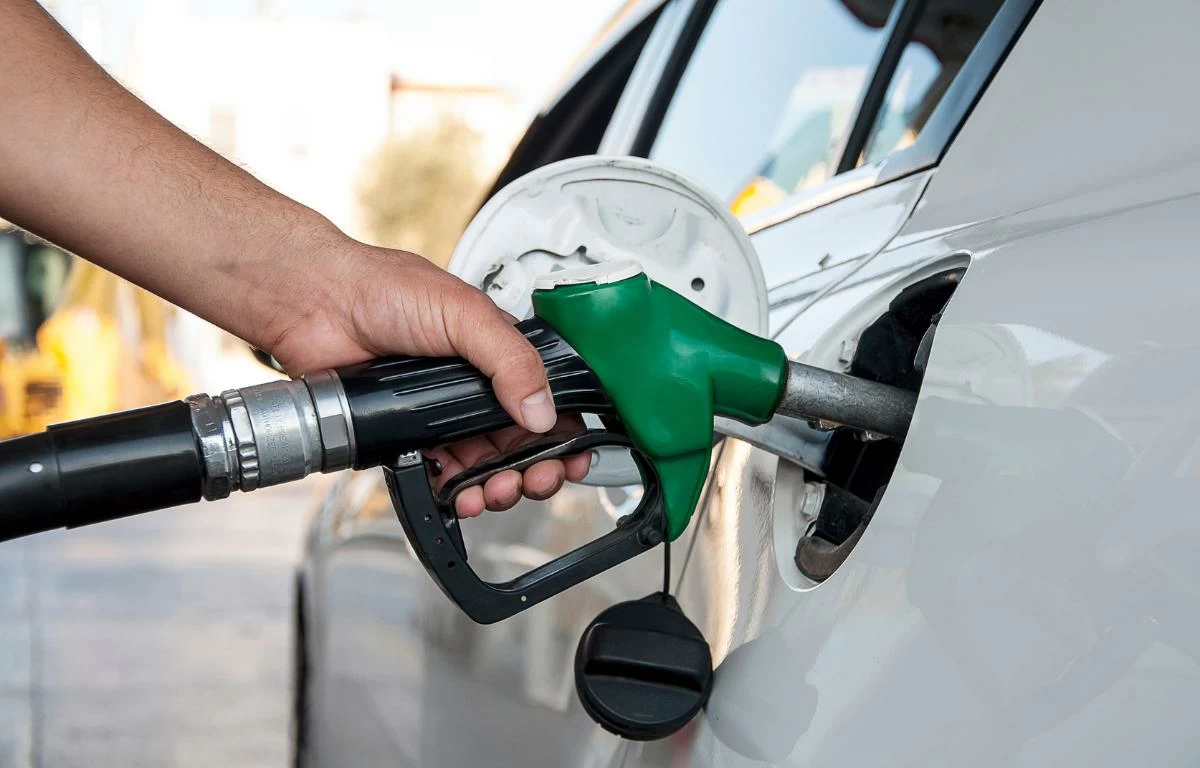
تعاني منطقة فولوغدا، شأنها شأن معظم المناطق الروسية، من نقص في الوقود، إذ تؤدي الضربات الأوكرانية المتصاعدة على المستودعات الروسية إلى تعطيل الحياة اليومية بدرجة تفوق أي وقت مضى منذ اندلاع النزاع عام 2022، وذلك بحسب ما ذكرت وكالات أنباء.
هذه الأزمة غير مسبوقة في روسيا، إحدى كبرى الدول المنتجة للنفط، إذ كان الوقود متوفراً وبأسعار متدنية. غير أن الوقوف في طوابير للحصول على الوقود أصبح منذ أسابيع سمة مألوفة للحياة في ظل النزاع الممتد في أوكرانيا، ما سبب مشاهد احتقان وتوتر في محطات البنزين.
عمليات تقنين
وبحسب وكالات، يشهد أكثر من 90% من مناطق روسيا عمليات تقنين أو نقصاً في الوقود منذ يونيو الماضي. وقد دفعت الأزمة بعض محطات الوقود للإغلاق في فولوغدا، في حين شهدت محطات أخرى تملك معظمها شركات النفط الروسية العملاقة تجمع السائقين في طوابير طويلة.
وفي مواجهة هذه الأزمة، حظرت موسكو في البداية صادرات أنواع معينة من البنزين ووقود الطائرات، ثم وسعت نطاق الحظر الأسبوع الماضي ليشمل صادرات الديزل، كما فرضت تدابير لترشيد استهلاك الوقود. وبدأت بعض هذه التدابير تؤتي ثمارها في العاصمة ومناطق أخرى خلال الأيام القليلة الماضية.
The Vologda region, like most Russian regions, is suffering from a fuel shortage, as the escalating Ukrainian strikes on Russian depots are disrupting daily life to a degree greater than ever since the conflict erupted in 2022, according to news agencies.
This crisis is unprecedented in Russia, one of the largest oil-producing countries, where fuel was previously available at low prices. However, waiting in lines to obtain fuel has become a familiar aspect of life amid the ongoing conflict in Ukraine, leading to scenes of congestion and tension at gas stations.
Rationing Operations
According to agencies, more than 90% of Russian regions have been experiencing fuel rationing or shortages since June. The crisis has led some gas stations in Vologda to close, while others, mostly owned by major Russian oil companies, have seen drivers gathering in long lines.
In response to this crisis, Moscow initially banned the export of certain types of gasoline and aviation fuel, then expanded the ban last week to include diesel exports, and imposed measures to rationalize fuel consumption. Some of these measures have begun to show results in the capital and other regions over the past few days.