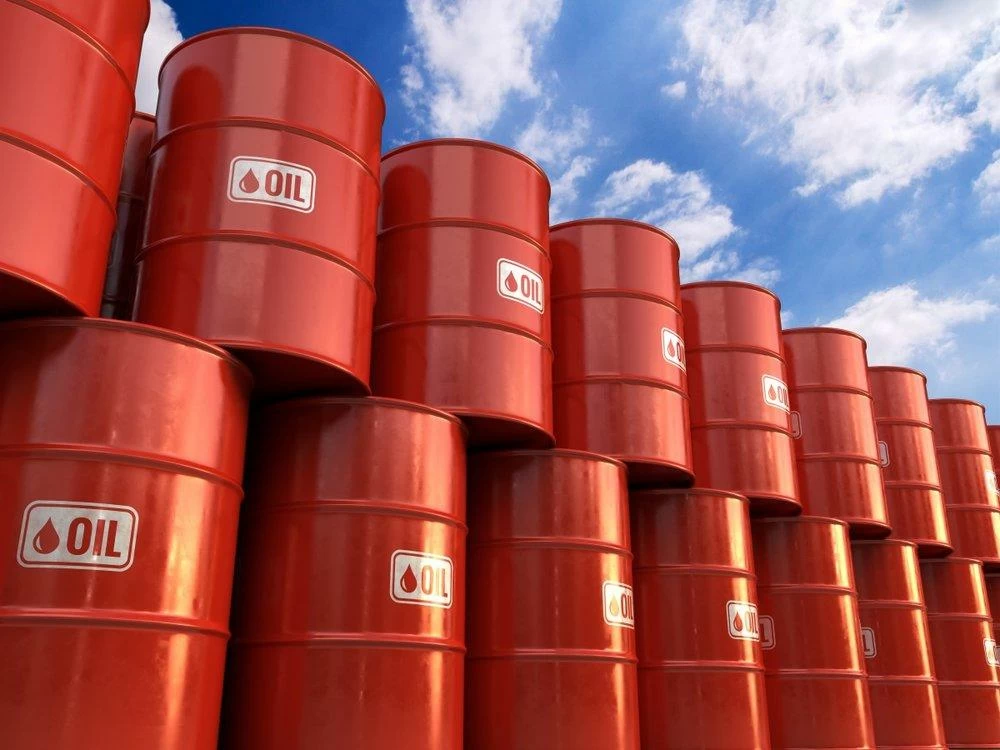
ارتفعت أسعار النفط بشكل حاد عند تسوية تعاملات تعاملات اليوم، بأكثر من 9% وأغلقت على 83 دولاراً، مدعومة بإعادة الرئيس الأمريكي دونالد ترمب فرض الحصار البحري على إيران، ما فاقم من المخاوف بشأن إمدادات الطاقة المارة عبر مضيق هرمز.
وأعلن مركز المعلومات البحرية المشتركة، وهو تحالف تقوده الولايات المتحدة، أن حصار المواني الإيرانية سيدخل حيز التنفيذ غداً (الثلاثاء) في تمام الـ8:00 مساءً بتوقيت غرينتش، أي 11:00 مساءً بتوقيت مكة المكرمة.
رسوم 20%
وأعلن ترمب فرض واشنطن رسوماً بنسبة 20% على العبور في المضيق، ورد وزير الخارجية الإيراني على ذلك قائلاً:«إن طهران كانت دائماً حارسة للمضيق، ملمحاً إلى أن هذا التحرك الأمريكي يعد سابقة تبرر مساعي بلاده للسيطرة على الممر الملاحي الإستراتيجي».
ومن جانبها، أكدت المنظمة البحرية الدولية، التابعة للأمم المتحدة، أن المرور عبر مضيق هرمز يجب أن يظل حراً ودون أي رسوم أو قيود بموجب التشريعات الدولية.
ومع استمرار الهجمات المتبادلة بين واشنطن وطهران، أظهرت بيانات تتبع ملاحي انخفاض عدد ناقلات النفط والغاز العابرة لمضيق هرمز إلى أدنى مستوى في شهرين، وفق تحليل أجرته شركة «كبلر».
Oil prices surged sharply at the close of today’s trading, rising by more than 9% to close at $83, supported by U.S. President Donald Trump's reinstatement of the maritime blockade on Iran, which heightened concerns about energy supplies passing through the Strait of Hormuz.
The Joint Maritime Information Center, a coalition led by the United States, announced that the blockade of Iranian ports will take effect tomorrow (Tuesday) at 8:00 PM GMT, which is 11:00 PM Mecca time.
20% Tariff
Trump announced that Washington would impose a 20% tariff on transit through the strait, to which the Iranian Foreign Minister responded by saying, "Tehran has always been the guardian of the strait," hinting that this U.S. move sets a precedent justifying his country's efforts to control the strategic shipping lane.
For its part, the International Maritime Organization, a United Nations agency, confirmed that passage through the Strait of Hormuz must remain free and without any tariffs or restrictions under international law.
As the exchanges of attacks between Washington and Tehran continue, tracking data showed a decline in the number of oil and gas tankers passing through the Strait of Hormuz to the lowest level in two months, according to an analysis conducted by "Kpler."