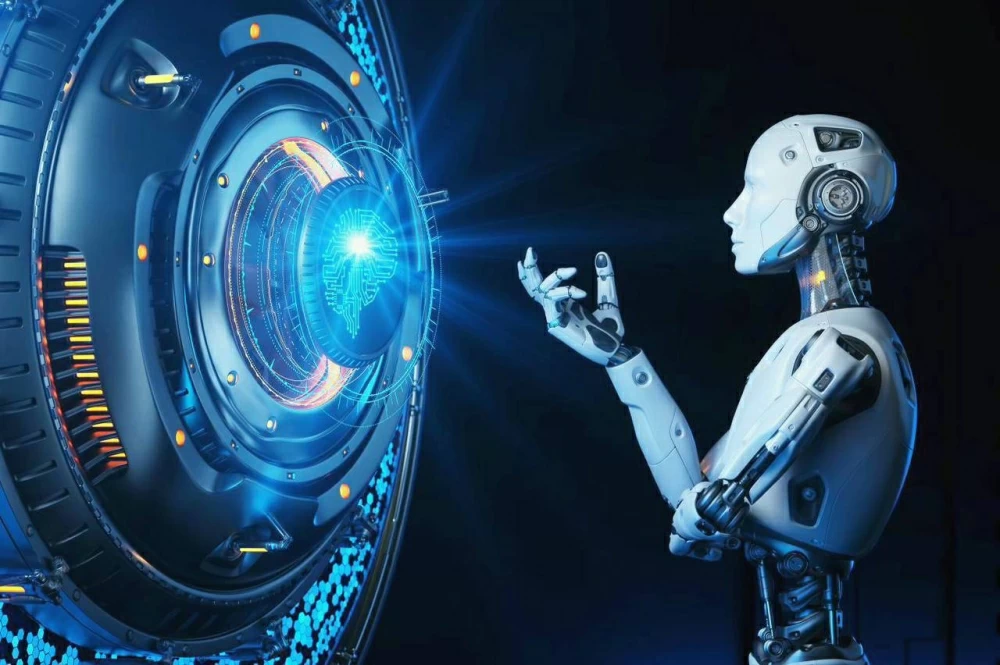
دعا عدد من الباحثين والخبراء الاقتصاديين الحكومات وقادة التكنولوجيا في أنحاء العالم إلى وضع سياسات وإنشاء مؤسسات لمعالجة التداعيات الاقتصادية للذكاء الاصطناعي.
وأصدر أكثر من 200 باحث وخبير اقتصادي من بينهم 15 حائزاً على جائزة نوبل وباحثون لدى شركات عالمية بياناً مشتركاً حذروا فيه من أن الذكاء الاصطناعي قد يُحدث تحولاً اقتصادياً أوسع نطاقاً من الثورة الصناعية، ولكنه سيكون أقصر بكثير من حيث المدة الزمنية، مما يثير مخاوف لدى العمال والشركات والمؤسسات العامة.
بحوث معمقة
ودعا البيان إلى إجراء بحوث معمقة حول الآثار الاقتصادية للذكاء الاصطناعي، والشروع في بناء السياسات والمؤسسات اللازمة لضمان استفادة المجتمع من هذه التقنية، والتغلب على المخاطر، مثل فقدان الوظائف على نطاق واسع.
وأوضح الأستاذ بجامعة فرجينيا أنطون كورينيك قائلاً: «لقد منحت تقنيات البخار والكهرباء والحواسيب المجتمعات عقوداً من الزمن للتكيف، أما الذكاء الاصطناعي، فقد لا يمنحنا سوى بضع سنوات».
A number of researchers and economic experts have called on governments and technology leaders around the world to establish policies and create institutions to address the economic implications of artificial intelligence.
More than 200 researchers and economic experts, including 15 Nobel laureates and researchers from global companies, issued a joint statement warning that artificial intelligence could bring about an economic transformation broader in scope than the industrial revolution, but it will be much shorter in duration, raising concerns among workers, companies, and public institutions.
In-depth Research
The statement called for in-depth research on the economic effects of artificial intelligence and for the initiation of building the necessary policies and institutions to ensure that society benefits from this technology and overcomes risks, such as widespread job loss.
Anton Korinek, a professor at the University of Virginia, explained: “Steam, electricity, and computer technologies have given societies decades to adapt, whereas artificial intelligence may give us only a few years.”