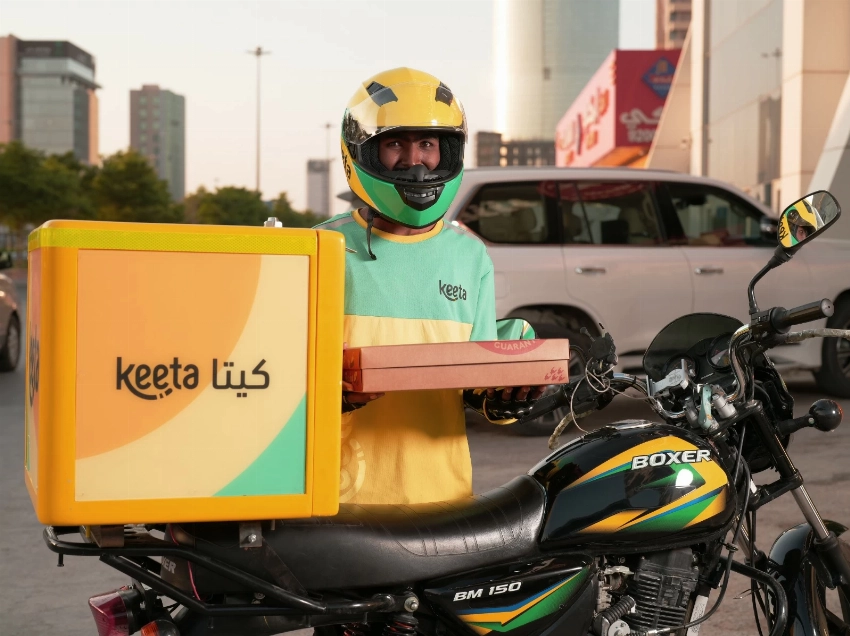
أطلقت كيتا، منصة التوصيل حسب الطلب والمدعومة من شركة التكنولوجيا العالمية ميتوان، عن إطلاق ورقة بيضاء جديدة تستعرض كيف يمكن لمنصات التوصيل الرقمية أن تسهم في دعم التحول الرقمي في المملكة العربية السعودية، وخلق فرص جديدة للابتكار وريادة الأعمال والنمو الاقتصادي.
وجرى إطلاق الورقة خلال مشاركة كيتا في النسخة الأولى من مؤتمر LEAP East في هونغ كونغ، والتي تُعد أول نسخة من المؤتمر التقني الرائد تُقام خارج المملكة العربية السعودية. وقد قدم الورقة توني كيو، نائب رئيس ميتوان والرئيس التنفيذي لشركة كيتا، خلال جلسته ضمن فعاليات المؤتمر.
وتحمل الورقة عنوان «من طريق الحرير إلى الميل الأخير: توصيل الطعام كأفق جديد للشراكة السعودية الصينية»، وتستند إلى تجربة قطاع توصيل الطعام في المملكة لاستعراض الكيفية التي تسهم بها المنصات الرقمية، وتقنيات الذكاء الاصطناعي، والخدمات اللوجستية الذكية في دعم مسيرة التحول الاقتصادي التي تشهدها المملكة.
واستناداً لعدة تقارير يستعرض التقرير تطور العلاقات الاقتصادية بين المملكة العربية السعودية والصين، والتي تشهد توسعاً متزايداً في مجالات التكنولوجيا والابتكار وتبادل المعرفة، إلى جانب التجارة والاستثمار. ويأتي ذلك بالتزامن مع مواصلة المملكة تنفيذ مستهدفات رؤية السعودية 2030، حيث بلغ حجم التبادل التجاري بين البلدين 107.53 مليار دولار أمريكي في عام 2024، فيما أسهمت الأنشطة غير النفطية بنسبة 54.8% من الناتج المحلي الإجمالي، في مؤشر يعكس تسارع وتيرة التنويع الاقتصادي وتهيئة بيئة مواتية لنمو القطاعات الرقمية والتقنية.
ويستعرض التقرير كيف أصبحت منصات التوصيل تؤدي دوراً يتجاوز تقديم خدمات التوصيل، لتغدو جزءاً من البنية التحتية الداعمة للتجارة والخدمات اللوجستية وريادة الأعمال. كما يوضح كيف يمكن للأدوات الرقمية، والرؤى التشغيلية، وتقنيات الذكاء الاصطناعي أن تساعد المطاعم على تحسين كفاءتها التشغيلية، وفهم احتياجات العملاء بصورة أفضل، وتوسيع قاعدة عملائها، واتخاذ قرارات أكثر فاعلية.
كما يتناول التقرير دور الخدمات اللوجستية الذكية في تعزيز كفاءة عمليات الميل الأخير، حيث تسهم تقنيات مثل التنبؤ بالطلب، وتحسين المسارات، والتوجيه الذكي للطلبات في تمكين المنصات من الاستجابة بصورة أكثر كفاءة لتغيرات الطلب، وتحسين موثوقية عمليات التوصيل، والارتقاء بتجربة المستخدمين والتجار ومندوبي التوصيل.
ويشير التقرير إلى توقعات بوصول عدد مستخدمي خدمات توصيل الطعام عبر الإنترنت في المملكة إلى نحو 19.3 مليون مستخدم بحلول عام 2028، مدفوعاً باستمرار النمو الحضري واستضافة المملكة لفعاليات عالمية كبرى، من بينها إكسبو الرياض 2030 وكأس العالم FIFA 2034. وفي ضوء ذلك، يبرز التقرير الدور المتنامي لمنصات التوصيل في دعم الابتكار، وتوسيع نطاق الخدمات الرقمية، وتعزيز الاقتصاد الرقمي في المملكة.
كما يولي التقرير بحسب تقارير منشورة اهتماماً خاصاً بالدور الذي تؤديه المنصات الرقمية في دعم قطاع المنشآت الصغيرة والمتوسطة، الذي يضم أكثر من 1.7 مليون منشأة، ويوفر نحو 8.88 مليون فرصة عمل، ويسهم بما يقارب 22.9% من الناتج المحلي الإجمالي. ويوضح كيف يمكن لمنصات التوصيل أن تمنح المنشآت الصغيرة، بما فيها المطاعم المحلية والعلامات التراثية، إمكانية الوصول إلى التكنولوجيا، وتعزيز قدراتها التشغيلية، والوصول إلى شرائح أوسع من العملاء، بما يدعم نموها ويعزز قدرتها على المنافسة.
وقال توني كيو، نائب رئيس ميتوان والرئيس التنفيذي لشركة كيتا: «يمثل قطاع توصيل الطعام في المملكة نافذة مهمة لفهم التحول الاقتصادي الذي تشهده السعودية. فالشباب، والبنية التحتية الرقمية المتقدمة، وروح ريادة الأعمال، والثقافة المحلية، تخلق مجتمعة فرصاً جديدة للشركات والمجتمعات ورواد الابتكار».
وأضاف: «من خلال إطلاق هذه الورقة خلال LEAP East، أردنا مشاركة الرؤى المستخلصة من تجربة كيتا في المملكة، والإسهام في إثراء الحوار حول الكيفية التي يمكن من خلالها للتكنولوجيا، والطموح المحلي، والخبرات العالمية أن تتكامل لخلق قيمة مستدامة. ونأمل أن تسهم هذه الدراسة في تعزيز الحوار بين مجتمع الأعمال والمستثمرين وصناع القرار حول مستقبل الاقتصاد الرقمي في المملكة».
كما يستعرض التقرير عدداً من المجالات التي تتيح فرصاً أوسع للتعاون بين منصات التكنولوجيا والقطاعين العام والخاص، بما يشمل تطوير الكفاءات الوطنية، ودعم برامج التوطين، وتمكين المنشآت الصغيرة والمتوسطة، وتعزيز الخدمات اللوجستية للفعاليات الكبرى، وتطوير حلول التنقل الذكي، ودعم قطاعي الثقافة والسياحة، إلى جانب توظيف التكنولوجيا في دعم المبادرات الصحية.
وتستند الرؤى التي يقدمها التقرير إلى تجربة كيتا في بناء منصة توصيل مصممة لتلبية احتياجات السوق السعودية. ومنذ دخولها المملكة في سبتمبر 2024، نجحت الشركة في بناء شبكة تضم أكثر من 50 ألف شريك من المطاعم، إلى جانب أكثر من 25 ألف مندوب توصيل. وانطلاقاً من رسالتها «نساعد الجميع على تناول طعام أفضل والعيش بشكل أفضل»، تواصل كيتا الاستثمار في التكنولوجيا، وتمكين شركائها، وبناء شراكات محلية تسهم في دعم الاقتصاد الرقمي في المملكة.
Kita, the on-demand delivery platform backed by global technology company Meituan, has launched a new white paper showcasing how digital delivery platforms can contribute to supporting digital transformation in the Kingdom of Saudi Arabia, creating new opportunities for innovation, entrepreneurship, and economic growth.
The paper was launched during Kita's participation in the first edition of the LEAP East conference in Hong Kong, which is the first edition of the leading tech conference held outside the Kingdom of Saudi Arabia. The paper was presented by Tony Qiu, Vice President of Meituan and CEO of Kita, during his session at the conference.
The paper is titled "From the Silk Road to the Last Mile: Food Delivery as a New Horizon for Saudi-Chinese Partnership," and it is based on the experience of the food delivery sector in the Kingdom to illustrate how digital platforms, artificial intelligence technologies, and smart logistics services contribute to supporting the economic transformation journey taking place in the Kingdom.
Based on several reports, the paper reviews the evolution of economic relations between Saudi Arabia and China, which are witnessing increasing expansion in the fields of technology, innovation, and knowledge exchange, alongside trade and investment. This comes as the Kingdom continues to implement the targets of Saudi Vision 2030, with the trade volume between the two countries reaching 107.53 billion USD in 2024, while non-oil activities contributed 54.8% to the GDP, indicating a rapid pace of economic diversification and creating a conducive environment for the growth of digital and technological sectors.
The report highlights how delivery platforms have taken on a role that goes beyond providing delivery services, becoming part of the infrastructure supporting trade, logistics, and entrepreneurship. It also explains how digital tools, operational insights, and artificial intelligence technologies can help restaurants improve their operational efficiency, better understand customer needs, expand their customer base, and make more effective decisions.
The report also addresses the role of smart logistics in enhancing the efficiency of last-mile operations, where technologies such as demand forecasting, route optimization, and smart order routing enable platforms to respond more efficiently to changes in demand, improve delivery reliability, and enhance the experience of users, merchants, and delivery representatives.
The report indicates expectations that the number of online food delivery service users in the Kingdom will reach approximately 19.3 million by 2028, driven by continued urban growth and the Kingdom hosting major global events, including Expo Riyadh 2030 and the FIFA World Cup 2034. In light of this, the report highlights the growing role of delivery platforms in supporting innovation, expanding the scope of digital services, and enhancing the digital economy in the Kingdom.
The report also pays special attention, according to published reports, to the role that digital platforms play in supporting the small and medium enterprises sector, which includes more than 1.7 million establishments, provides about 8.88 million job opportunities, and contributes nearly 22.9% to the GDP. It illustrates how delivery platforms can grant small establishments, including local restaurants and heritage brands, access to technology, enhance their operational capabilities, and reach broader customer segments, thereby supporting their growth and enhancing their competitiveness.
Tony Qiu, Vice President of Meituan and CEO of Kita, said: "The food delivery sector in the Kingdom represents an important window for understanding the economic transformation taking place in Saudi Arabia. The youth, advanced digital infrastructure, entrepreneurial spirit, and local culture collectively create new opportunities for businesses, communities, and innovators."
He added: "By launching this paper during LEAP East, we wanted to share insights drawn from Kita's experience in the Kingdom and contribute to enriching the dialogue on how technology, local ambition, and global expertise can integrate to create sustainable value. We hope this study will enhance the dialogue between the business community, investors, and decision-makers about the future of the digital economy in the Kingdom."
The report also highlights several areas that provide broader opportunities for collaboration between technology platforms and the public and private sectors, including developing national competencies, supporting localization programs, empowering small and medium enterprises, enhancing logistics services for major events, developing smart mobility solutions, and supporting the culture and tourism sectors, alongside leveraging technology to support health initiatives.
The insights presented in the report are based on Kita's experience in building a delivery platform designed to meet the needs of the Saudi market. Since entering the Kingdom in September 2024, the company has successfully built a network of over 50,000 restaurant partners, alongside more than 25,000 delivery representatives. Driven by its mission "We help everyone eat better and live better," Kita continues to invest in technology, empower its partners, and build local partnerships that contribute to supporting the digital economy in the Kingdom.