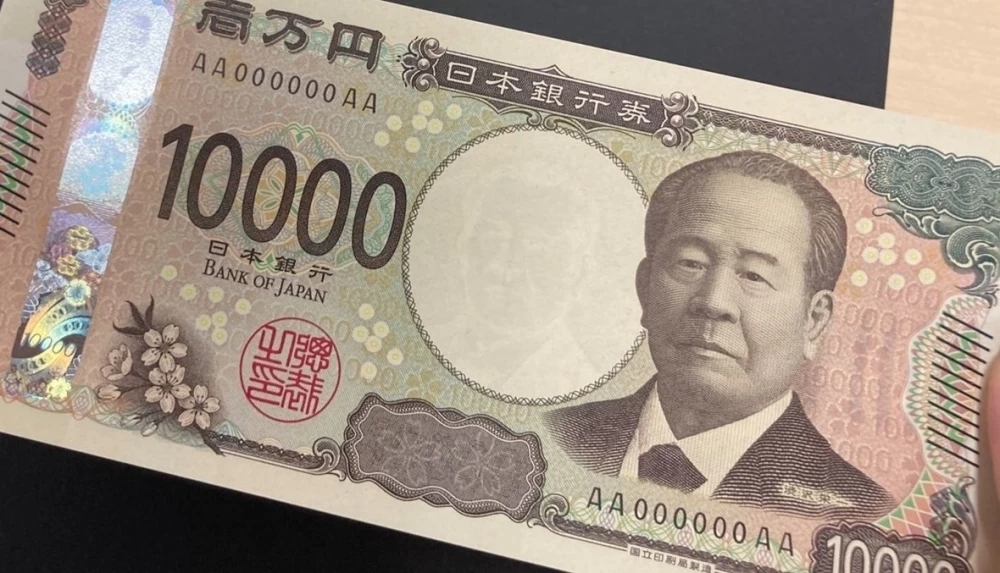
واصل الين الياباني هبوطه إلى أضعف مستوياته أمام الدولار منذ نحو 4 عقود، ما دفع المتعاملين إلى البحث عن المستوى التالي الذي قد يدفع السلطات اليابانية للتدخل في سوق الصرف بعدما تجاوز الدولار حاجز 162 يناً للمرة الأولى منذ عام 1986.
ورجح إستراتيجيون في أسواق العملات أن يصبح مستوى 163 يناً للدولار، وربما نطاق 165 يناً، الهدف التالي الذي تراقبه الأسواق، وسط اعتقاد متزايد بأن وزارة المالية اليابانية قد تتسامح مع ضعف أكبر للعملة مقارنة بحملة التدخل التي نفذتها العام الماضي.
وأشار كبير إستراتيجيي العملات وأسعار الفائدة لدى «SMBC Nikko Securities» رينتو ماروياما إلى أن مخاوف التدخل الحكومي لا تزال تدعم الين وتحد من خسائره، موضحاً أن الدولار كان من الممكن أن يتداول بالفعل عند 163 أو 164 يناً لو تحرك الين بالوتيرة نفسها التي شهدتها عملات رئيسية أخرى بعد اجتماع الاحتياطي الفيدرالي الأخير، وفقاً لما ذكره لوكالة «بلومبيرغ نيوز».
ورأت الإستراتيجية لدى «جي بي مورغان» إيكوي سايتو أن عتبة التدخل المحتملة أصبحت أعلى مما كانت عليه سابقاً، خصوصاً إذا اعتمدت السلطات نهج «التدخل غير المعلن» الذي استخدمته خلال عام 2024. وأضافت أن النتائج المحدودة للتدخلات السابقة قد تدفع وزارة المالية إلى التريث قبل العودة إلى السوق.
وجدد مسؤولون يابانيون تحذيراتهم اللفظية الثلاثاء، إذ أكد كل من وزيرة المالية ساتسوكي كاتاياما وكبير أمناء مجلس الوزراء مينورو كيهارا استعداد الحكومة لاتخاذ الإجراءات المناسبة في سوق الصرف عند الضرورة. إلا أن هذه التصريحات فشلت في وقف موجة البيع، ليتراجع الين إلى 162.41 للدولار خلال تداولات طوكيو.
وعزا متعاملون في سوق العملات هذا التحرك إلى عمليات شراء الدولار المرتبطة بنهاية الشهر والربع المالي، إلى جانب قيام المستثمرين بإغلاق رهانات سابقة كانت تراهن على تعافي الين.
The Japanese yen continued its decline to its weakest levels against the dollar in nearly four decades, prompting traders to look for the next level that might push Japanese authorities to intervene in the currency market after the dollar surpassed the 162 yen mark for the first time since 1986.
Currency strategists suggested that the 163 yen level for the dollar, and possibly the range of 165 yen, could be the next target that markets are watching, amid growing belief that the Japanese Ministry of Finance may tolerate a greater weakness of the currency compared to the intervention campaign it executed last year.
Rento Maruyama, the chief currency and interest rate strategist at SMBC Nikko Securities, indicated that concerns about government intervention continue to support the yen and limit its losses, explaining that the dollar could have already been trading at 163 or 164 yen if the yen had moved at the same pace as other major currencies after the recent Federal Reserve meeting, according to what he told Bloomberg News.
Equity strategist at JP Morgan, Eiko Saito, noted that the potential intervention threshold has become higher than it was before, especially if authorities adopt the "unannounced intervention" approach used during 2024. She added that the limited results of previous interventions may lead the Ministry of Finance to hesitate before returning to the market.
Japanese officials renewed their verbal warnings on Tuesday, as both Finance Minister Satsuki Katayama and Chief Cabinet Secretary Minoru Kihara confirmed the government's readiness to take appropriate measures in the currency market when necessary. However, these statements failed to stop the wave of selling, causing the yen to fall to 162.41 against the dollar during Tokyo trading.
Traders in the currency market attributed this movement to dollar purchases related to the end of the month and the financial quarter, along with investors closing previous bets that were betting on a recovery of the yen.