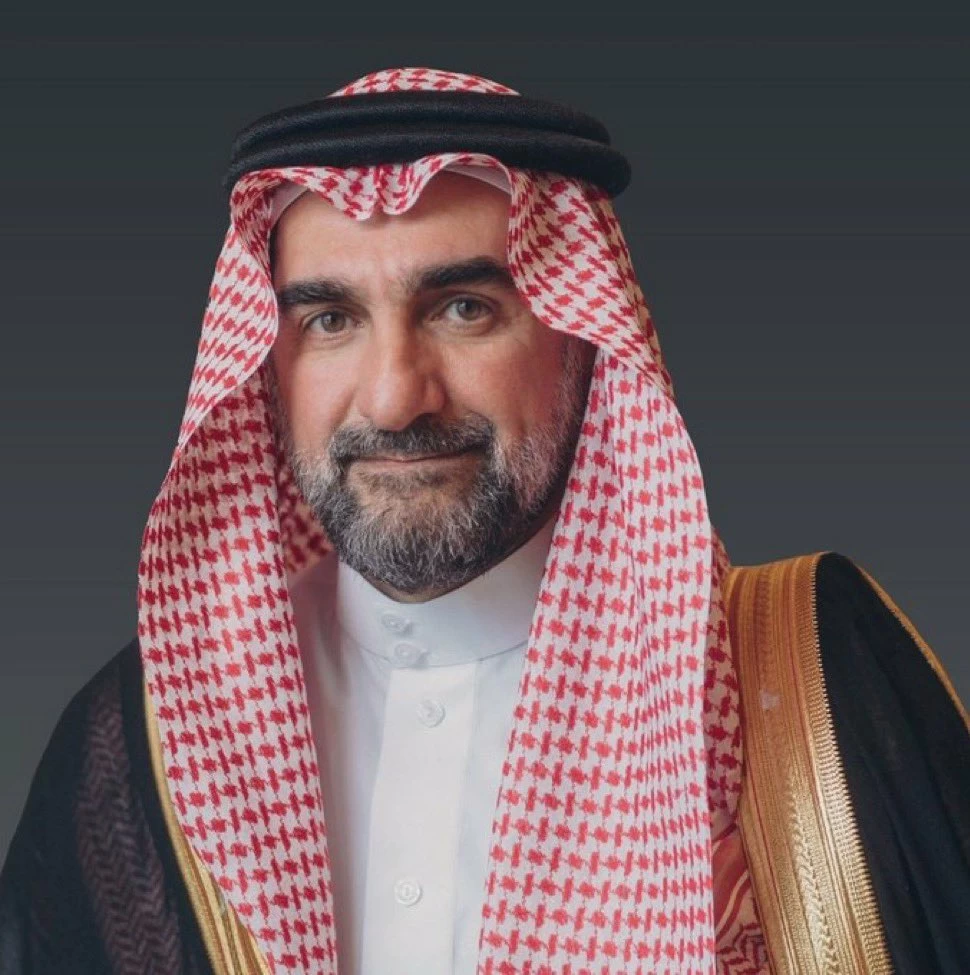
كشف محافظ صندوق الاستثمارات العامة ياسر الرميان أن تداعيات الحرب الراهنة لا تقتصر على الاقتصاد السعودي أو على إستراتيجية الصندوق، بل تمتد إلى الاقتصاد العالمي بأكمله، في ظل الارتفاعات الواسعة التي طالت أسعار النفط، والشحن، والتأمين، والغذاء.
وحول المرحلة الجديدة من إستراتيجية الصندوق، قال الرميان في مقابلة مع العربية Business: «إن إستراتيجية 2026-2030 تمثل استكمالاً لمسيرة الصندوق، وتركز على تحويل 13 قطاعاً إستراتيجياً إلى 6 منظومات اقتصادية متكاملة، بما يعزز تنويع الاقتصاد، ويرفع مساهمة القطاعات غير النفطية، ويعمّق الأثر التنموي والاستثماري للصندوق».
تأثير الحرب
وحول تأثير الحرب على الاستثمارات والصفقات الخارجية، أشار الرميان إلى أن الصندوق يقوم بمراجعة مستمرة وديناميكية لجميع الاستثمارات والأولويات، سواء في ظل الحرب أو خارجها، مؤكداً أن إعادة التقييم جزء أصيل من منهجية العمل الاستثماري للصندوق.
ولفت إلى أن هذه المراجعات لا تعني بالضرورة إلغاء استثمار بعينه أو استبداله فوراً بآخر، لكنها تعكس إدارة مرنة للأولويات وفق المعطيات الاقتصادية والجيوسياسية، مشيراً إلى أن وجود الحرب يفرض بطبيعة الحال ضغطاً أكبر على عملية إعادة التموضع لبعض الاستثمارات.
وقال الرميان: «اضطراب سلاسل الإمداد العالمية انعكس بشكل مباشر على أسعار المدخلات الأساسية»، لافتاً إلى أن جزءاً كبيراً من الأسمدة الكيماوية يأتي من المملكة وبعض دول الخليج، كما أن تعطل إمدادات الغاز والهيليوم أثر على صناعات متقدمة، من بينها صناعة الرقائق الإلكترونية، سواء عبر التأخير أو ارتفاع الكلفة.
مسار إستراتيجي
وأوضح الرميان أن هذه التطورات تؤكد الطبيعة العابرة لحدود الأزمة، وأن آثارها تمتد إلى قطاعات صناعية وتقنية حساسة، وليس فقط إلى أسواق الطاقة.
وفي ما يتعلق بإستراتيجية صندوق الاستثمارات العامة، شدد الرميان على أن إستراتيجية الصندوق طويلة الأجل بطبيعتها، ولا تُبنى على اعتبارات مرحلية أو ظرفية، موضحاً أنها تمتد لـ5 سنوات قادمة، وتمثل امتداداً وتطوراً لمسار إستراتيجي بدأ منذ تأسيس الصندوق في عام 1971، وتواصل عبر مراحل متعاقبة حتى الخطط الحالية للفترة 2026-2030.
وقال: «الصندوق يعمل دائماً ضمن رؤية بعيدة المدى تأخذ في الحسبان التحولات الهيكلية في الاقتصاد العالمي، وليس فقط التقلبات المرتبطة بالأزمات».
تكيف مع المستجدات
وأكد الرميان أن الصندوق يواصل العمل وفق إستراتيجيته طويلة الأجل، مع الحفاظ على القدرة على التكيف مع المستجدات، بما يضمن تحقيق مستهدفاته وتعزيز دوره في دعم الاقتصاد السعودي وتنويع مصادر الدخل، رغم التحديات العالمية الراهنة.
وأفاد أن أولويات الصندوق تُحدَّد بالدرجة الأولى وفق احتياجات الاقتصاد الوطني، مؤكداً أن الصندوق لا ينظر إلى نفسه كمستثمر مالي تقليدي، بل كمستثمر تنموي‑اقتصادي منذ تأسيسه.
وذكر أن تحقيق العوائد المالية يُعد جزءاً من أهداف الصندوق، لكنه ليس الهدف الوحيد، موضحاً أن الصندوق يعمل وفق معادلة متوازنة تجمع بين العائد المالي والأثر التنموي، وهو النهج الذي رافق فكرة تأسيسه منذ البداية.
The Governor of the Public Investment Fund, Yasir Al-Rumayyan, revealed that the repercussions of the current war are not limited to the Saudi economy or the fund's strategy, but extend to the entire global economy, amid widespread increases in oil, shipping, insurance, and food prices.
Regarding the new phase of the fund's strategy, Al-Rumayyan stated in an interview with Al Arabiya Business: "The 2026-2030 strategy represents a continuation of the fund's journey, focusing on transforming 13 strategic sectors into 6 integrated economic systems, which enhances economic diversification, increases the contribution of non-oil sectors, and deepens the developmental and investment impact of the fund."
Impact of the War
Regarding the impact of the war on investments and foreign deals, Al-Rumayyan pointed out that the fund is continuously and dynamically reviewing all investments and priorities, whether during the war or outside it, emphasizing that re-evaluation is an inherent part of the fund's investment methodology.
He noted that these reviews do not necessarily mean canceling a specific investment or immediately replacing it with another, but rather reflect a flexible management of priorities according to economic and geopolitical data, indicating that the existence of war naturally imposes greater pressure on the repositioning process of some investments.
Al-Rumayyan said: "The disruption of global supply chains has directly impacted the prices of essential inputs," pointing out that a significant portion of chemical fertilizers comes from the Kingdom and some Gulf countries, and that the disruption of gas and helium supplies has affected advanced industries, including the semiconductor industry, either through delays or increased costs.
Strategic Path
Al-Rumayyan clarified that these developments confirm the transboundary nature of the crisis, and that its effects extend to sensitive industrial and technological sectors, not just to energy markets.
Regarding the Public Investment Fund's strategy, Al-Rumayyan emphasized that the fund's strategy is inherently long-term and is not built on temporary or circumstantial considerations, explaining that it extends for the next 5 years and represents a continuation and evolution of a strategic path that began with the establishment of the fund in 1971, continuing through successive phases to the current plans for the period 2026-2030.
He stated: "The fund always operates within a long-term vision that takes into account the structural transformations in the global economy, not just the fluctuations associated with crises."
Adaptation to Developments
Al-Rumayyan confirmed that the fund continues to operate according to its long-term strategy while maintaining the ability to adapt to developments, ensuring the achievement of its objectives and enhancing its role in supporting the Saudi economy and diversifying income sources, despite current global challenges.
He noted that the fund's priorities are primarily determined by the needs of the national economy, emphasizing that the fund does not see itself as a traditional financial investor, but rather as a developmental-economic investor since its inception.
He mentioned that achieving financial returns is part of the fund's objectives, but it is not the only goal, explaining that the fund operates according to a balanced equation that combines financial returns with developmental impact, which has been the approach accompanying its founding idea from the beginning.