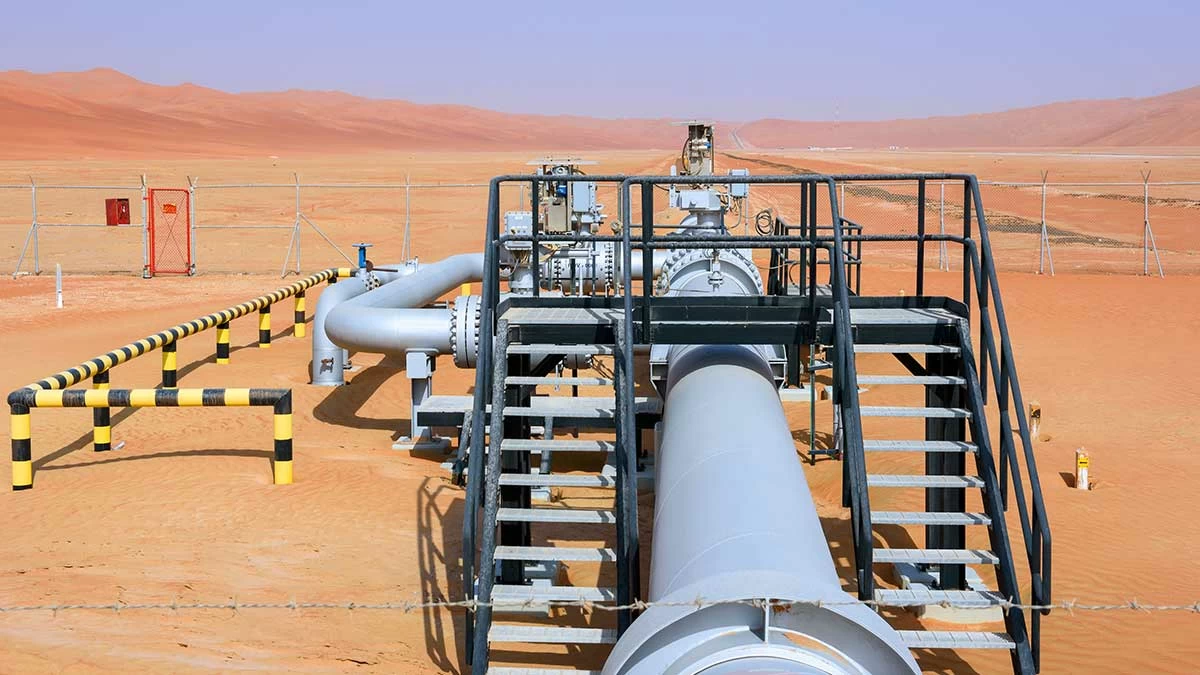
كشفت صحيفة «فايننشال تايمز» أن دول الخليج العربي تتجه إلى إعادة تقييم خطط إستراتيجية لإنشاء خطوط أنابيب جديدة؛ بهدف تقليل الاعتماد على مضيق هرمز وسط مخاوف متزايدة من تهديدات أمنية محتملة.
وأوضح مسؤولون وتنفيذيون في قطاع الطاقة أن إنشاء خطوط أنابيب جديدة قد يكون السبيل الوحيد لخفض اعتماد دول الخليج على المضيق وتفادي أي اضطرابات محتملة، رغم أن هذه المشاريع تتسم بارتفاع تكلفتها وتعقيداتها السياسية، إضافة إلى أنها تحتاج إلى سنوات طويلة لإنجازها.
«شرق - غرب» ضربة عبقرية
وقال أحد كبار التنفيذيين في قطاع الطاقة الخليجي: «بالنظر إلى الماضي، يبدو خط شرق–غرب وكأنه ضربة عبقرية».
وسلطت الحرب الحالية الضوء مجددًا على الأهمية الإستراتيجية لخط أنابيب شرق–غرب في السعودية، الذي يمتد لمسافة 1200 كيلومتر.
وقد أُنشئ هذا الخط في ثمانينات القرن الماضي عقب المخاوف من إغلاق المضيق خلال حرب الناقلات بين إيران والعراق، ويُعد اليوم شريانًا حيويًا ينقل نحو 7 ملايين برميل يوميًا إلى ميناء ينبع على البحر الأحمر، متجاوزًا مضيق هرمز بالكامل.
مسار رئيسي يعتمد عليه
يذكر أن الرئيس التنفيذي لشركة أرامكو السعودية أمين الناصر أكد لمحللين الشهر الماضي بقوله: «إن هذا الخط شرق - غرب يمثل المسار الرئيسي الذي نعتمد عليه حاليًا».
وكانت خطط سابقة لإنشاء خطوط أنابيب في المنطقة قد تعثرت مرارًا بسبب التكاليف المرتفعة والتعقيدات، إلا أن المستشارة البارزة لبرامج الشرق الأوسط في المجلس الأطلسي ميسون كفافي أشارت إلى أن المزاج العام في الخليج قد تغيّر.
وقالت: «أشعر بوجود تحول من مجرد سيناريوهات افتراضية إلى واقع عملي، الجميع ينظر إلى الخارطة نفسها ويصل إلى الاستنتاجات ذاتها».
وأضافت أن الخيار الأكثر مرونة قد لا يكون خط أنابيب واحد، بل شبكة متكاملة من الممرات، رغم أن تنفيذ هذا الخيار سيكون الأكثر صعوبة.
وعلى المدى الطويل، من المرجح أن تصبح خطوط الأنابيب الجديدة جزءًا من ممرات تجارية أوسع تُنقل عبرها سلع متعددة، وليس فقط النفط والغاز.
The Financial Times revealed that the Gulf Arab states are moving towards reassessing strategic plans to create new pipelines; with the aim of reducing dependence on the Strait of Hormuz amid growing concerns over potential security threats.
Officials and executives in the energy sector explained that the establishment of new pipelines may be the only way to reduce the Gulf states' reliance on the strait and avoid any potential disruptions, although these projects are characterized by high costs and political complexities, in addition to requiring many years to complete.
“East-West is a brilliant strike
A senior executive in the Gulf energy sector stated: “Looking back, the East-West pipeline seems like a brilliant strike.”
The current war has once again highlighted the strategic importance of the East-West pipeline in Saudi Arabia, which extends for 1,200 kilometers.
This pipeline was established in the 1980s following concerns about the closure of the strait during the tanker war between Iran and Iraq, and it is now a vital artery transporting about 7 million barrels per day to the port of Yanbu on the Red Sea, completely bypassing the Strait of Hormuz.
A main route we rely on
It is noteworthy that the CEO of Saudi Aramco, Amin Nasser, confirmed to analysts last month by saying: “This East-West line represents the main route we currently rely on.”
Previous plans to establish pipelines in the region have repeatedly stumbled due to high costs and complexities, but the prominent advisor for Middle East programs at the Atlantic Council, Maysoun Kfafi, indicated that the general mood in the Gulf has changed.
She said: “I feel there is a shift from mere hypothetical scenarios to practical reality; everyone is looking at the same map and reaching the same conclusions.”
She added that the most flexible option may not be a single pipeline, but rather an integrated network of corridors, although implementing this option will be the most challenging.
In the long term, it is likely that new pipelines will become part of broader trade corridors through which multiple goods will be transported, not just oil and gas.