أعلنت كوريا الجنوبية، اليوم (الثلاثاء)، مقترح ميزانية تكميلية بقيمة 17.3 مليار دولار، بهدف دعم المستهلكين والشركات المتضررين من تداعيات الحرب في الشرق الأوسط، والتي تسببت في ارتفاع حاد بأسعار الطاقة عالميًا.
ويأتي هذا التحرك في ظل تصاعد أسعار النفط نتيجة الحرب التي تقودها الولايات المتحدة وإسرائيل ضد إيران، ما يزيد من مخاطر تباطؤ النمو وارتفاع معدلات التضخم في رابع أكبر اقتصاد في آسيا، والذي يعتمد بشكل كبير على واردات النفط، إذ يأتي نحو 70% منها من منطقة الشرق الأوسط.
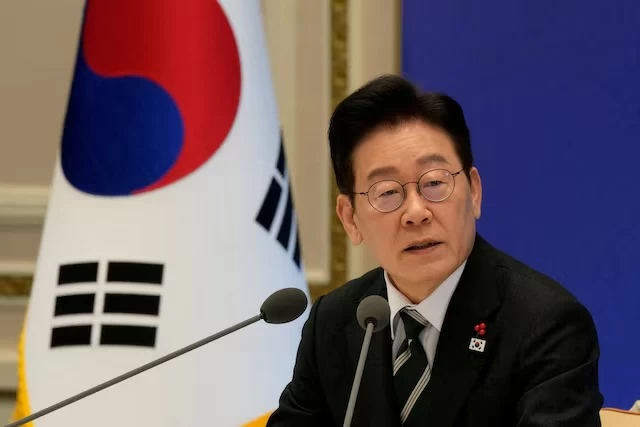
وتُعد هذه الميزانية الإضافية الثانية خلال أقل من عام في عهد الرئيس لي جاي ميونغ، الذي تعهد منذ توليه السلطة في يونيو الماضي باتباع سياسة مالية توسعية لتعزيز النمو الاقتصادي.
وقال وزير الميزانية، بارك هونغ-كيون: «بعيدًا عن المؤشرات الاقتصادية، فإن القلق والصعوبات التي يواجهها المواطنون والشركات تتفاقم أكثر من أي وقت مضى، ما يجعل الاستجابة الاستباقية ضرورة ملحّة».
وتبلغ قيمة خطة الإنفاق نحو 26.2 تريليون وون (17.3 مليار دولار)، تتضمن تخصيص 10.1 تريليون وون لمواجهة تداعيات ارتفاع أسعار النفط، و2.8 تريليون وون لدعم أصحاب الدخل المحدود والشباب، إضافة إلى 2.6 تريليون وون لمساندة الشركات المتأثرة بالصراع في الشرق الأوسط.
ومن أبرز الإجراءات، تعتزم الحكومة تخصيص 5 تريليونات وون لتعويض شركات تكرير النفط عن الخسائر الناتجة عن فرض سقوف سعرية على الوقود، وهي خطوة طُبّقت لأول مرة منذ نحو 30 عامًا، كما ستُخصص 4.8 تريليون وون لتقديم دعم مالي مباشر للمواطنين عبر قسائم استهلاكية تتراوح قيمتها بين 100 ألف و600 ألف وون للفرد، وفقًا لمستوى الدخل والمنطقة، مع استثناء الشريحة الأعلى دخلًا (30% من السكان).
وأوضحت وزارة المالية أن تمويل هذه الميزانية سيتم من خلال فائض الإيرادات الضريبية الناتج عن ازدهار صادرات الرقائق الإلكترونية وانتعاش سوق الأسهم، دون اللجوء إلى إصدار سندات حكومية جديدة، مع تخصيص تريليون وون لسداد جزء من الدين العام.
ومن المتوقع أن ترفع هذه الحزمة إجمالي الإنفاق الحكومي لعام 2026 إلى 752.1 تريليون وون، بزيادة 11.8% مقارنة بالعام الماضي، بما يسهم في تعزيز النمو الاقتصادي بنحو 0.2 نقطة مئوية، مقارنة بالخطة السابقة التي كانت تستهدف إنفاق 727.9 تريليون وون قبل اندلاع الحرب.
ورغم زيادة الإنفاق، تتوقع الحكومة تراجع العجز المالي إلى 3.8% من الناتج المحلي الإجمالي، مقارنة بـ3.9% في التقديرات السابقة و4.2% في العام الماضي، فيما يُرجح أن يبلغ معدل الدين إلى الناتج 50.6%، بانخفاض عن التوقعات السابقة.
وفي سياق متصل، أشار بنك كوريا الشهر الماضي إلى أنه لن يُجري تعديلًا على سياسته النقدية قبل أغسطس القادم على الأقل، كما رفع توقعاته لنمو الاقتصاد في 2026 إلى 2.0% مقارنة بـ1.8% سابقًا، بعد أن سجل الاقتصاد نموًا بنسبة 1.0% في 2025.
وكانت حكومة لي قد أقرت العام الماضي ميزانية إضافية بقيمة 31.8 تريليون وون بعد شهر واحد فقط من توليه السلطة، تضمنت برنامجًا رئيسيًا لتوزيع القسائم المالية لتحفيز الطلب المحلي، الذي تراجع عقب أزمة سياسية أعقبت محاولة فرض الأحكام العرفية في ديسمبر 2024.
South Korea announced today (Tuesday) a supplementary budget proposal worth $17.3 billion, aimed at supporting consumers and businesses affected by the repercussions of the war in the Middle East, which has caused a sharp rise in global energy prices.
This move comes amid rising oil prices due to the war led by the United States and Israel against Iran, increasing the risks of slowing growth and rising inflation in the fourth largest economy in Asia, which heavily relies on oil imports, with about 70% coming from the Middle East.
This supplementary budget is the second within less than a year during President Lee Jae-myung's term, who has pledged since taking office last June to follow an expansionary fiscal policy to boost economic growth.
Budget Minister Park Hong-kyun stated, "Beyond economic indicators, the concerns and difficulties faced by citizens and businesses are worsening more than ever, making proactive response an urgent necessity."
The spending plan amounts to approximately 26.2 trillion won ($17.3 billion), including the allocation of 10.1 trillion won to address the repercussions of rising oil prices, 2.8 trillion won to support low-income earners and youth, in addition to 2.6 trillion won to assist companies affected by the conflict in the Middle East.
Among the key measures, the government intends to allocate 5 trillion won to compensate oil refining companies for losses resulting from the imposition of price caps on fuel, a step that has been implemented for the first time in nearly 30 years. Additionally, 4.8 trillion won will be allocated to provide direct financial support to citizens through consumption vouchers ranging from 100,000 to 600,000 won per individual, depending on income level and region, with the highest income bracket (30% of the population) being excluded.
The Ministry of Finance clarified that the funding for this budget will come from a surplus in tax revenues resulting from the boom in semiconductor exports and the recovery of the stock market, without resorting to issuing new government bonds, while allocating 1 trillion won to pay down part of the public debt.
This package is expected to raise total government spending for 2026 to 752.1 trillion won, an 11.8% increase compared to last year, contributing to an economic growth boost of about 0.2 percentage points, compared to the previous plan which aimed for spending of 727.9 trillion won before the outbreak of the war.
Despite the increase in spending, the government expects the fiscal deficit to decline to 3.8% of GDP, compared to 3.9% in previous estimates and 4.2% last year, while the debt-to-GDP ratio is expected to reach 50.6%, down from previous forecasts.
In a related context, the Bank of Korea indicated last month that it would not make any adjustments to its monetary policy until at least August, and raised its growth forecast for the economy in 2026 to 2.0% compared to 1.8% previously, after the economy recorded a growth rate of 1.0% in 2025.
Last year, Lee's government approved an additional budget of 31.8 trillion won just one month after taking office, which included a major program for distributing financial vouchers to stimulate domestic demand, which had declined following a political crisis that followed an attempt to impose martial law in December 2024.