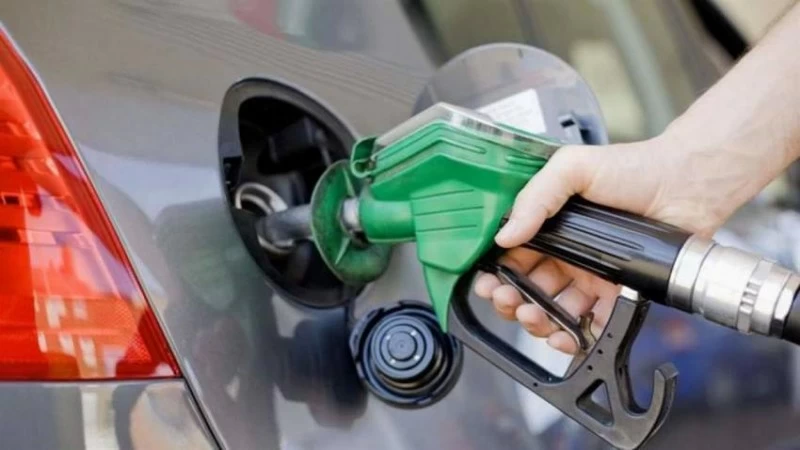
بعد الارتفاعات القياسية لأسعار النفط بالأسواق العالمية، قد تدفع الحرب الأمريكية الإسرائيلية على إيران فاتورة استيراد الوقود في مصر للارتفاع إلى نحو 1.2 مليار دولار خلال شهر أبريل القادم، بزيادة تقارب 56%، مقارنة بنحو 767 مليون دولار قبل اندلاعها، وذلك بحسب مسؤول حكومي، اشترط عدم نشر اسمه، حسبما ذكرت مواقع إخبارية.
فجوة عرض وطلب
وتستورد مصر نحو مليون طن شهرياً من المنتجات البترولية لسد الفجوة بين العرض والطلب في السوق المحلية، تتوزع بواقع 600 ألف طن سولار، و230 ألف طن بنزين، و170 ألف طن بوتاجاز. وبحسب الرئيس المصري عبدالفتاح السيسي، فإن قيمة استهلاك مصر السنوي من المنتجات البترولية بلغ نحو تريليون جنيه (نحو 20 مليار دولار)، يذهب نحو 60% منها لتشغيل محطات الكهرباء، إلا أن وزارة الكهرباء تسدد فقط نحو 100 مليار جنيه مقابل الوقود المستخدم في محطات التوليد، في حين تبلغ تكلفته الفعلية نحو 600 مليار جنيه، ما يترك فجوة تقارب 500 مليار جنيه تتحملها وزارة البترول نتيجة بيع الطاقة بأقل من تكلفتها للمستهلك.
ويأتي ارتفاع كلفة الاستيراد في ظل اضطراب أسواق الطاقة العالمية بعد اندلاع حرب إيران، إذ تجاوزت أسعار النفط 120 دولاراً للبرميل قبل أن تتراجع لاحقاً.
After the record increases in oil prices in global markets, the American-Israeli war on Iran may drive Egypt's fuel import bill to rise to about $1.2 billion during the upcoming month of April, an increase of nearly 56%, compared to about $767 million before its outbreak, according to a government official who requested anonymity, as reported by news sites.
Supply and Demand Gap
Egypt imports about one million tons of petroleum products monthly to bridge the gap between supply and demand in the local market, distributed as 600,000 tons of diesel, 230,000 tons of gasoline, and 170,000 tons of butane. According to Egyptian President Abdel Fattah el-Sisi, the annual value of Egypt's consumption of petroleum products has reached about one trillion Egyptian pounds (approximately $20 billion), with about 60% of this going to operate electricity stations. However, the Ministry of Electricity only pays about 100 billion pounds for the fuel used in power generation stations, while its actual cost is around 600 billion pounds, leaving a gap of nearly 500 billion pounds borne by the Ministry of Petroleum due to selling energy below its cost to consumers.
The rise in import costs comes amid turmoil in global energy markets following the outbreak of the Iran war, as oil prices exceeded $120 per barrel before subsequently declining.