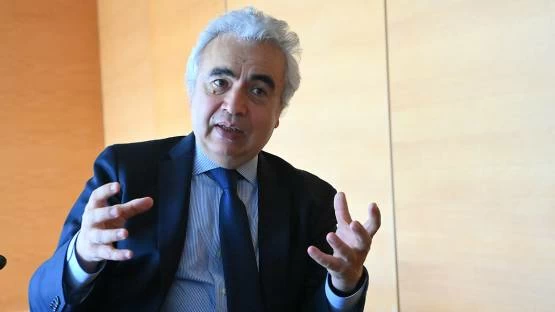
أعلن المدير التنفيذي لوكالة الطاقة الدولية فاتح بيرول، أن استئناف إمدادات النفط والغاز من منطقة الخليج قد يستغرق مدة لا تقل عن ستة أشهر، محذراً من أن العالم يواجه أعنف أزمة طاقة في التاريخ.
وقال بيرول لصحيفة «فاينانشيال تايمز» اليوم: «إن الحرب التي تجتاح المنطقة تمثل أكبر تهديد لأمن الطاقة العالمي». وأشار إلى أن عملية استعادة التدفقات الطبيعية ستستغرق وقتاً طويلاً نتيجة الأضرار التي لحقت بالبنية التحتية.
وأضاف: «بعض منشآت الطاقة ستستغرق ستة أشهر لاستئناف عملياتها، بينما سيستغرق البعض الآخر وقتاً أطول بكثير».
حجم الاضطراب
وأوضح بيرول أن الأسواق والسياسيين يقللون من حجم الاضطراب الحالي، مؤكداً أن الاعتماد على تدابير جانب العرض وحدها، مثل سحب الاحتياطيات الإستراتيجية، لن يكون كافياً لاستقرار الأسواق. ودعا إلى اتخاذ إجراءات فورية لخفض الطلب العالمي على الوقود.
وتأتي هذه التصريحات بعد يوم واحد من الهجمات المتبادلة التي استهدفت منشآت طاقة حيوية في حقل «بارس الجنوبي» بإيران ومنشآت نفطية في دول الخليج وإسرائيل؛ ما أدى إلى تعطل ممرات الشحن الحيوية وتوقف نحو 10% من إمدادات النفط العالمية.
The Executive Director of the International Energy Agency, Fatih Birol, announced that the resumption of oil and gas supplies from the Gulf region could take at least six months, warning that the world is facing the most severe energy crisis in history.
Birol told the Financial Times today: "The war sweeping the region represents the biggest threat to global energy security." He noted that the process of restoring normal flows will take a long time due to the damage inflicted on the infrastructure.
He added: "Some energy facilities will take six months to resume operations, while others will take much longer."
The Scale of Disruption
Birol explained that markets and politicians are downplaying the scale of the current disruption, emphasizing that relying solely on supply-side measures, such as drawing from strategic reserves, will not be sufficient to stabilize the markets. He called for immediate action to reduce global fuel demand.
These statements come just one day after reciprocal attacks targeted vital energy facilities in the South Pars field in Iran and oil facilities in Gulf countries and Israel; leading to the disruption of vital shipping corridors and a halt to about 10% of global oil supplies.