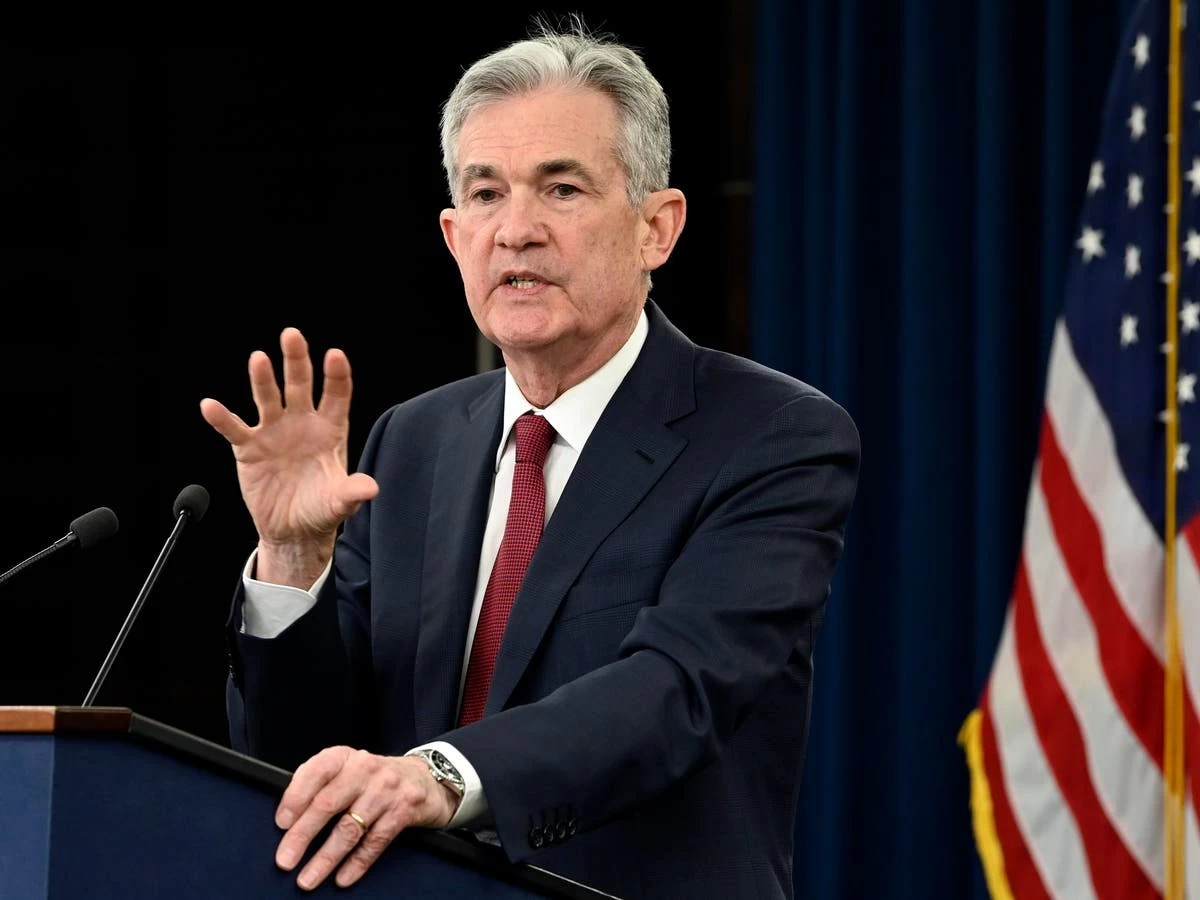
أعلن رئيس بنك الاحتياطي الفيدرالي الأمريكي جيروم باول، أن البنك المركزي يمر بـ«وضع صعب» يفرض ضرورة موازنة المخاطر، مؤكداً أن الاجتماع الأخير شهد مناقشة احتمالية التوجه نحو رفع أسعار الفائدة.
وحذر باول من أن الاقتصاد الأمريكي يواجه حالياً «صدمة طاقة» لا يُعرف حجمها أو مدتها حتى الآن، مؤكداً أن أسعار الطاقة المرتفعة للغاية ستدفع التضخم للارتفاع، وأن استمرار ارتفاع أسعار الوقود لفترة طويلة سيؤثر على الاستهلاك في الولايات المتحدة.
الخطوة الأنسب
وأشار باول إلى أن أغلبية أعضاء اللجنة لا يرون أن رفع الفائدة هو الخطوة الأنسب في الاجتماع القادم، معتبراً أن المعدلات الحالية تقع في نطاق متوازن بين التشدد والتساهل النقدي.
توقعات النفط
وأوضح أن الفيدرالي لا يمتلك توقعات لأسعار النفط لما بعد الحرب، لكنه يراقب عن كثب آثار وجود سلع أخرى -غير النفط- عالقة في مضيق هرمز على المستهلك الأمريكي.
وفيما يخص البيانات الاقتصادية، كشف باول أن تقديرات شهر فبراير الماضي تشير إلى بلوغ معدل التضخم السنوي لأسعار الإنفاق الشخصي 2.8%، والإنفاق الشخصي الأساسي 3.0%.
كما أشار رئيس الفيدرالي إلى تراجع مستويات خلق الوظائف في القطاع الخاص الأميركي وصولاً إلى مستوى الصفر. ورغم زيادة توقعات التضخم على المدى القريب، أكد باول الالتزام بالوصول إلى مستهدف 2%، مشدداً على أن الاقتصاد الأمريكي أظهر قوة ومتانة في مواجهة التحديات.
Federal Reserve Chairman Jerome Powell announced that the central bank is facing a "difficult situation" that necessitates balancing risks, confirming that the recent meeting discussed the possibility of moving towards raising interest rates.
Powell warned that the U.S. economy is currently facing an "energy shock" whose magnitude or duration is still unknown, emphasizing that extremely high energy prices will drive inflation up, and that a prolonged rise in fuel prices will impact consumption in the United States.
The Most Appropriate Step
Powell indicated that the majority of committee members do not see raising interest rates as the most appropriate step in the upcoming meeting, considering that current rates are balanced between tightening and monetary easing.
Oil Forecasts
He explained that the Fed does not have forecasts for oil prices post-war, but is closely monitoring the effects of other goods - not oil - stuck in the Strait of Hormuz on the American consumer.
Regarding economic data, Powell revealed that estimates for February indicated that the annual inflation rate for personal consumption expenditures reached 2.8%, and core personal consumption expenditures reached 3.0%.
He also noted a decline in job creation levels in the U.S. private sector down to zero. Despite an increase in near-term inflation expectations, Powell reaffirmed the commitment to reach the 2% target, stressing that the U.S. economy has shown strength and resilience in facing challenges.