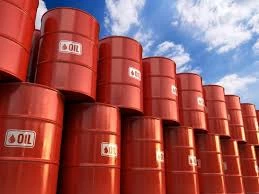
سجلت صادرات الكويت من النفط الخام صفراً في شهر أبريل الماضي للمرة الأولى منذ حرب الخليج عام 1991، وذلك بحسب بيانات «Tanker Trackers» المتخصصة في تتبع حركة الناقلات البحرية.
يُذكر أن مؤسسة البترول الكويتية كانت قد شهدت خلال الأسابيع الأخيرة ضغوطاً استثنائية مرتبطة بتوترات الملاحة في الخليج ومخاطر العبور عبر مضيق هرمز، وقد أعلنت في مارس حالة القوة القاهرة وبدأت خفض إنتاج النفط الخام وعمليات التكرير كإجراء احترازي.
القوة القاهرة
أفادت وكالة «بلومبيرغ نيوز» يوم 20 أبريل الماضي بأن الكويت أعلنت حالة «القوة القاهرة» على شحنات النفط، في ظل توقف حركة الملاحة في «مضيق هرمز»، ما أدى إلى تعطل عمليات التصدير.
وذكرت الوكالة أن مؤسسة البترول الكويتية أبلغت عملاءها يوم الجمعة 17 أبريل 2026 بتفعيل بند تعاقدي يتيح تأجيل مواعيد تسليم الشحنات، نتيجة الظروف الطارئة التي تعيق عمليات النقل البحري. وتشهد أسواق الطاقة اضطرابات متزايدة بسبب التوترات الجيوسياسية، وتأثيرها المباشر على سلاسل الإمداد وحركة الشحن عبر أحد أهم الممرات النفطية في العالم.
Kuwait's crude oil exports recorded zero in April for the first time since the Gulf War in 1991, according to data from "Tanker Trackers," which specializes in tracking maritime tanker movements.
It is worth noting that the Kuwait Petroleum Corporation has faced exceptional pressures in recent weeks related to navigation tensions in the Gulf and the risks of transit through the Strait of Hormuz. In March, it announced a state of force majeure and began reducing crude oil production and refining operations as a precautionary measure.
Force Majeure
Bloomberg News reported on April 20 that Kuwait declared a state of "force majeure" on oil shipments amid the halt of maritime traffic in the "Strait of Hormuz," which led to the disruption of export operations.
The agency mentioned that the Kuwait Petroleum Corporation informed its clients on Friday, April 17, 2026, of the activation of a contractual clause that allows for the postponement of shipment delivery dates due to emergency circumstances hindering maritime transport. Energy markets are experiencing increasing disruptions due to geopolitical tensions and their direct impact on supply chains and shipping through one of the world's most important oil corridors.