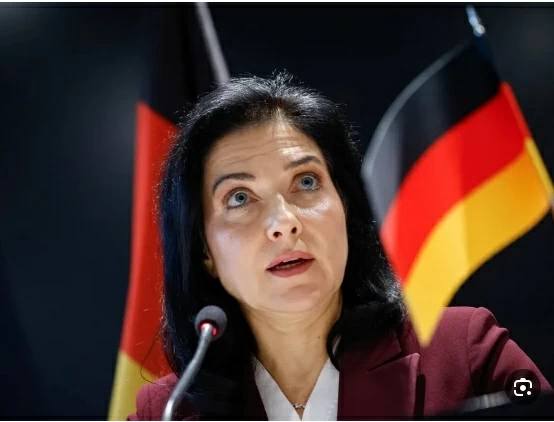
أعلنت وزيرة الاقتصاد الألمانية كاثرينا رايشه أن من المقرر الانتهاء من إجراءات الإفراج عن جزء من احتياطي النفط الوطني في الأيام القادمة.
وقالت في مؤتمر صحفي: «سنطلق جزءاً من الاحتياطي النفطي الوطني في الأسواق بالتنسيق مع الدول الأعضاء الأخرى في منظمة التعاون الاقتصادي والتنمية».
وأضافت: «لا تزال إجراءات إطلاق الاحتياطي النفطي قيد التنفيذ، وسننتهي منها في الأيام القليلة القادمة».
يُذكر أن ألمانيا تُعد الاقتصاد الأكبر داخل الاتحاد الأوروبي.
مخزونات كبيرة
وكان المدير التنفيذي لوكالة الطاقة الدولية فاتح بيرول، قد أعلن في وقت سابق، أن الدول الأعضاء قد تلجأ إلى الإفراج عن مزيد من احتياطيات النفط إذا دعت الحاجة.
وقال «بيرول» في بيان: «إن المخزونات النفطية المتبقية لدى الدول الأعضاء لا تزال كبيرة رغم القرار الأخير بسحب نحو 400 مليون برميل».
وأوضح المدير التنفيذي للوكالة أن الدول الأعضاء ستظل تمتلك أكثر من 1.4 مليار برميل من مخزونات النفط الطارئة حتى بعد استكمال عملية السحب الحالية.
وأشار إلى أن الإفراج الجاري عن الاحتياطيات لن يؤدي إلا إلى خفض المخزونات الإستراتيجية لدى الدول الأعضاء في الوكالة بنحو 20% فقط.
The German Minister of Economy, Katharina Reiche, announced that the procedures for releasing a portion of the national oil reserve are scheduled to be completed in the coming days.
She stated at a press conference: "We will release part of the national oil reserve into the markets in coordination with other member countries of the Organisation for Economic Co-operation and Development."
She added: "The procedures for releasing the oil reserve are still underway, and we will complete them in the next few days."
It is worth noting that Germany is the largest economy within the European Union.
Large Stocks
The Executive Director of the International Energy Agency, Fatih Birol, had previously announced that member countries might resort to releasing more oil reserves if necessary.
Birol stated in a statement: "The remaining oil stocks held by member countries are still substantial despite the recent decision to withdraw about 400 million barrels."
The Executive Director of the agency clarified that member countries will still possess more than 1.4 billion barrels of emergency oil stocks even after completing the current withdrawal process.
He pointed out that the ongoing release of reserves will only reduce the strategic stocks of the member countries in the agency by about 20%.