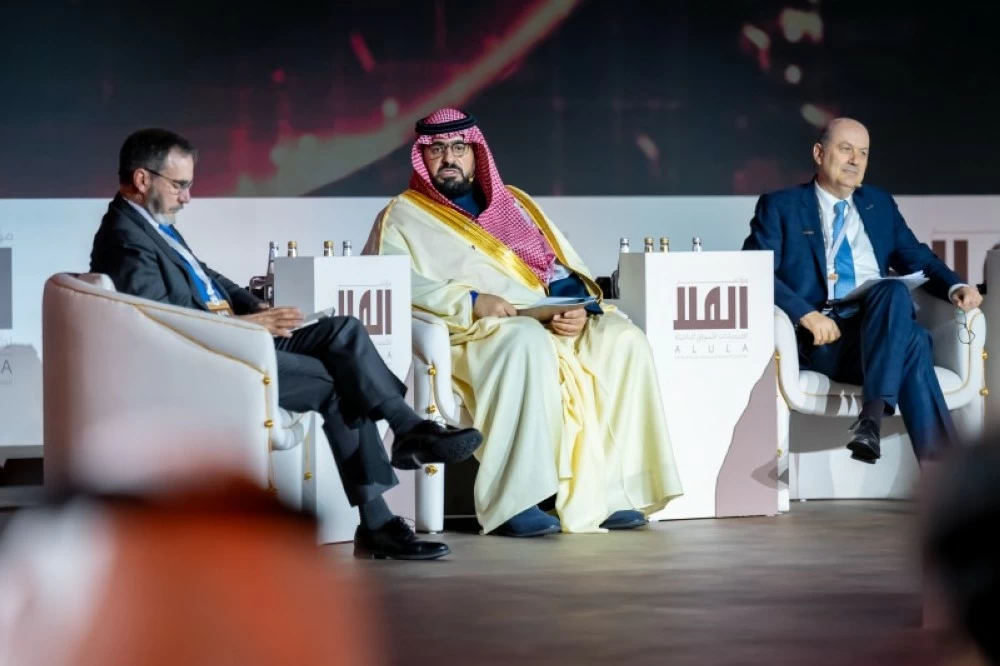
كشف وزير الاقتصاد والتخطيط فيصل الإبراهيم أن المملكة استطاعت التعامل بفاعلية مع التحولات المتسارعة التي تشهدها التجارة الدولية، والاستفادة منها، بفضل جاهزيتها المسبقة التي عززتها جهود التنويع الاقتصادي ضمن مستهدفات «رؤية السعودية 2030»، ما أسهم في ترسيخ دورها المحوري على خارطة التجارة العالمية، واقتناص الفرص التي أفرزتها هذه المتغيرات.
وأوضح الإبراهيم، خلال كلمته في مؤتمر العلا لاقتصادات الأسواق الناشئة، أن نظام السوق القائم على القواعد يواجه ضغوطاً متزايدة، الأمر الذي يجعل من المرونة عاملاً حاسماً في قدرة الدول على التكيف، مشيراً إلى أن الاقتصادات التي صُممت أنظمتها لتكون أكثر مرونة وتمتلك مؤسسات قوية تعد الأقدر على مواجهة التحديات وتحويلها إلى فرص.
وأكد أن التجارة العالمية لا تتجه إلى نهايتها كما يُشاع، مبيناً أن التجارة والاستثمار لا يزالان ركيزتين أساسيتين للعديد من الاقتصادات، لاسيما اقتصادات الأسواق الناشئة، التي ستظل تسعى إلى استمرار تدفقات التجارة باعتبارها محركاً رئيسياً للنمو.
وبيّن أن التوترات التجارية بين الولايات المتحدة والصين لن تقود إلى تراجع التجارة العالمية، بل إلى إعادة تخصيصها، وهو واقع يتطلب تعديلات مستمرة، موضحاً أن فترات الضغط لا تمثل إخفاقاً بقدر ما تعكس اختلالات مؤسسية تستدعي المعالجة.
وأشار إلى أن إعادة التخصيص والتكيّف عملية معقدة وغير متكافئة بين الدول، مؤكداً أن اقتصادات الأسواق الناشئة تمر بمرحلة اختيار إستراتيجي حقيقي، تتيح لها تصميم مسارات تكيفها مع النظام التجاري المتغير، والبحث عن مصادر جديدة للقيمة، لافتاً إلى أن المؤسسات تمثل العامل الفاصل في تحويل هذا التكيف من عبء إلى ميزة تنافسية.
وشدد الإبراهيم على أهمية السرعة والمرونة في اتخاذ القرار، موضحاً أن التأخير يفرض تكلفة متراكمة، في حين أن الدول القادرة على تسريع دورات القرار، مع الحفاظ على المصداقية، نجحت في تحويل السرعة إلى ميزة إستراتيجية.
وختم بالإشارة إلى أن العالم يشهد تشكّل ملامح نظام تجاري عالمي جديد، يقوم على إعادة تخصيص مجزأة، ونمط مختلف من العولمة، عولمة تركز على تحرير الإمكانات الكامنة، مؤكداً أن زيادة القابلية للتنبؤ تعزز القدرة على الاستجابة عبر قواعد متفق عليها.
Minister of Economy and Planning Faisal Al-Ibrahim revealed that the Kingdom has effectively dealt with the rapid transformations in international trade and benefited from them, thanks to its prior readiness, which has been reinforced by efforts to diversify the economy within the targets of "Saudi Vision 2030." This has contributed to solidifying its pivotal role on the global trade map and seizing the opportunities created by these changes.
Al-Ibrahim explained, during his speech at the Al-Ula Conference on Emerging Market Economies, that the rules-based market system is facing increasing pressures, making flexibility a crucial factor in countries' ability to adapt. He pointed out that economies designed with more flexible systems and strong institutions are better equipped to face challenges and turn them into opportunities.
He affirmed that global trade is not heading towards its end as rumored, indicating that trade and investment remain essential pillars for many economies, especially emerging market economies, which will continue to seek the persistence of trade flows as a primary driver of growth.
He clarified that the trade tensions between the United States and China will not lead to a decline in global trade but rather to its reallocation, a reality that requires continuous adjustments. He explained that periods of pressure do not represent failure as much as they reflect institutional imbalances that need to be addressed.
He noted that reallocation and adaptation are complex and uneven processes among countries, emphasizing that emerging market economies are undergoing a phase of genuine strategic choice, allowing them to design their adaptation pathways to the changing trade system and seek new sources of value. He pointed out that institutions represent the decisive factor in transforming this adaptation from a burden into a competitive advantage.
Al-Ibrahim stressed the importance of speed and flexibility in decision-making, explaining that delays impose accumulated costs, while countries capable of accelerating decision cycles while maintaining credibility have succeeded in turning speed into a strategic advantage.
He concluded by noting that the world is witnessing the formation of a new global trade system characterized by fragmented reallocation and a different pattern of globalization, one that focuses on unleashing latent potentials, affirming that increased predictability enhances the ability to respond through agreed-upon rules.