تنطلق غدًا (الإثنين)، أعمال الدورة الـ46 لندوة البركة للاقتصاد الإسلامي، تحت شعار «قطاع البر والإحسان في الاقتصاد الإسلامي: نحو مستقبل جديد»، التي ينظمها منتدى البركة للاقتصاد الإسلامي خلال الفترة من 9 إلى 11 فبراير 2026م، الموافق 21-23 شعبان 1447هـ، في جامعة الأمير مقرن بن عبدالعزيز -شطر الطالبات- بالمدينة المنورة، بمشاركة نخبة من قادة الفكر المالي والعلماء وصنّاع القرار، وممثلي المؤسسات المالية والتنموية من 18 دولة، في تجمع فكري واقتصادي يُعد من الأكبر إقليمياً.
وتُقام الندوة باستضافة جامعة الأمير مقرن بن عبدالعزيز بصفتها الشريك المضيف، وبشراكة مجموعة البركة بوصفها شريكاً عالمياً، إلى جانب شراكة إعلامية مع منصة «اقرأ»، بما يعكس تكامل الأدوار بين المؤسسات الفكرية والأكاديمية والإعلامية في دعم قضايا الاقتصاد الإسلامي وتعزيز حضوره على الساحة العالمية.
وتُعد ندوة البركة أحد أبرز المنابر العالمية المتخصصة في الاقتصاد الإسلامي، ومن أعرق المنصات الفكرية التي أسهمت، على مدى أكثر من 4 عقود، في تطوير منظومته الفكرية والتطبيقية، وتعزيز الحوار البنّاء بين العلماء والخبراء وصنّاع القرار حول القضايا الاقتصادية المعاصرة، من منظور يوازن بين القيم الأخلاقية والكفاءة الاقتصادية.
وتتناول الندوة في دورتها الحالية 6 جلسات رئيسة وأكثر من 20 محوراً علمياً وتطبيقياً، تركز على إبراز الدور المحوري لقطاع البر والإحسان بوصفه قطاعاً اقتصادياً فاعلاً يسهم في تحقيق التنمية، وتعزيز الاستقرار الاجتماعي، ودعم العدالة الاقتصادية، من خلال أدواته الأصيلة، وفي مقدمتها الزكاة والوقف والصدقات والقرض الحسن والتطوع.
الاقتصاد الإسلامي مشروع حضاري
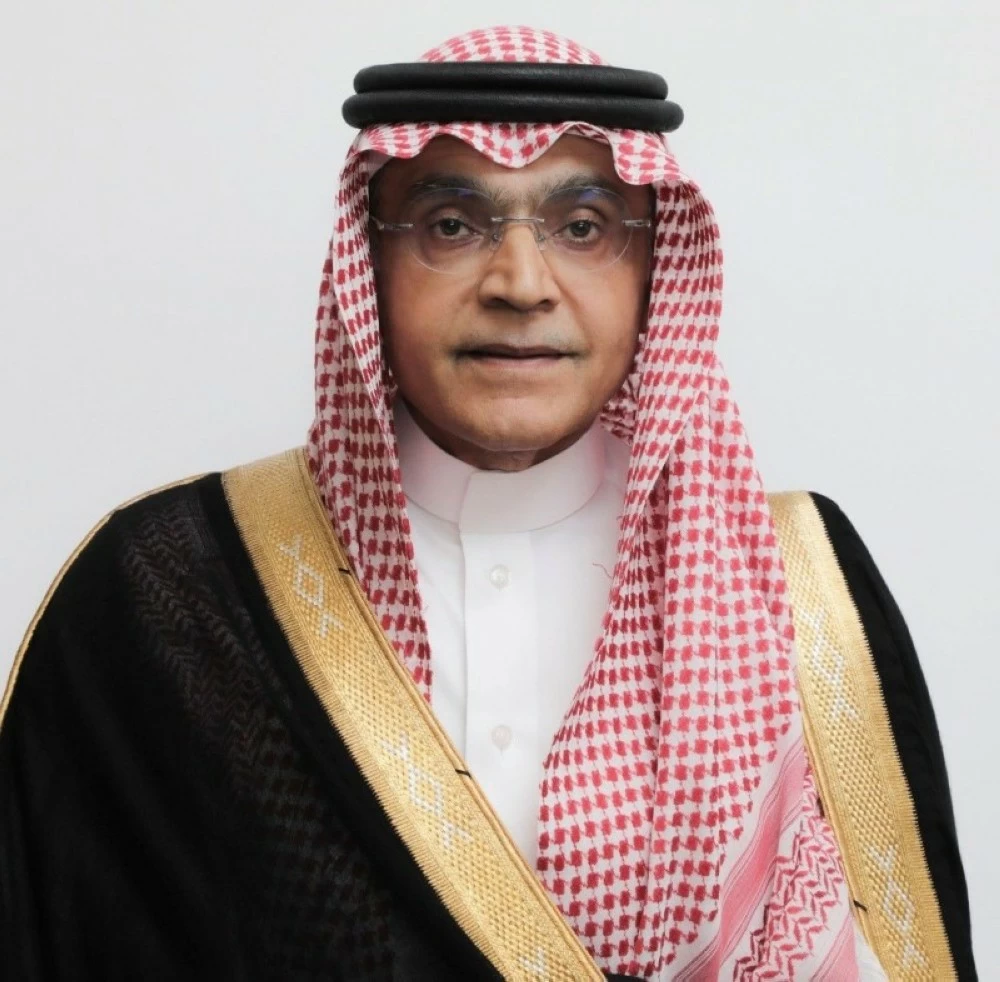
وأكد رئيس مجلس الأمناء لمنتدى البركة للاقتصاد الإسلامي عبدالله صالح كامل أن ندوة البركة تمثل امتداداً لرؤية فكرية راسخة أسسها الشيخ صالح عبدالله كامل -رحمه الله- رائد الاقتصاد الإسلامي ومؤسس منتدى البركة، الذي آمن بأن الاقتصاد الإسلامي مشروع حضاري متكامل يقوم على القيم، ويُقاس بالأثر، ويستهدف خدمة الإنسان وتحقيق التنمية المستدامة.
وأوضح أن هذه الدورة تشكّل محطة مفصلية في مسيرة الندوة، من خلال تسليط الضوء على قطاع البر والإحسان بوصفه رافداً اقتصادياً وتنموياً أصيلاً، وقادراً على الإسهام في مواجهة التحديات الاقتصادية والاجتماعية المعاصرة، مؤكداً أهمية الاستثمار في الابتكار وتمكين الشباب باعتبارهما ركيزتين لمستقبل الاقتصاد الإسلامي.
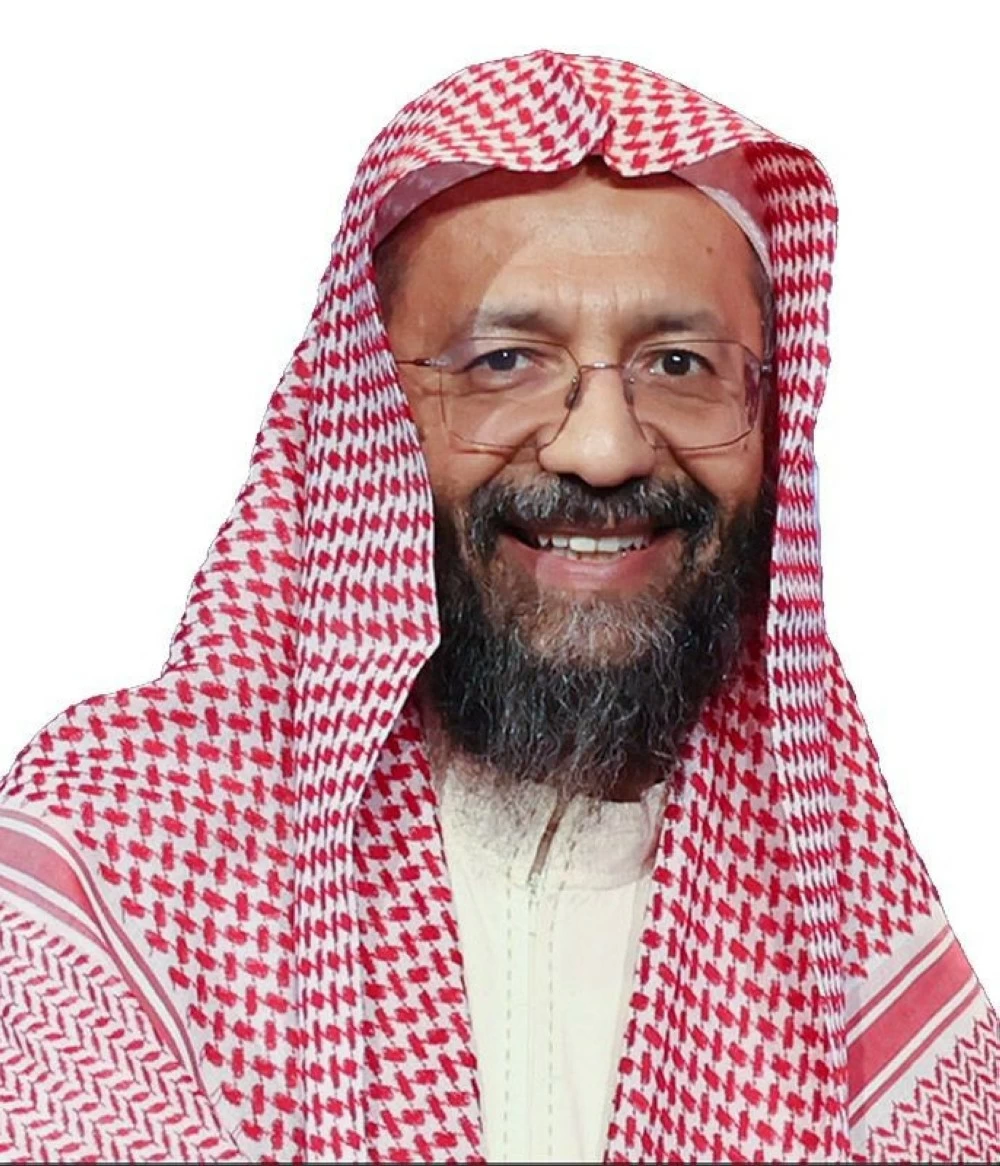
من جانبه، بيّن الأمين العام لمنتدى البركة للاقتصاد الإسلامي يوسف خلاوي أن المنتدى يُعد مؤسسة فكرية عالمية متخصصة، أسهمت عبر عقود في تطوير أدوات الاقتصاد الإسلامي، وربط التأصيل العلمي بالتطبيق العملي من خلال منصات فكرية ومبادرات دولية.
وأشار إلى أن موضوع ندوة هذا العام يعكس توجهاً إستراتيجياً لإعادة قراءة قطاع البر والإحسان بوصفه مكوّناً اقتصادياً أصيلاً، وليس نشاطاً تكميلياً، مؤكداً سعي الندوة إلى إبراز دوره في تحقيق التنمية المستدامة، وتعظيم الأثر الاجتماعي، وتمكين القطاع غير الربحي من الإسهام الفاعل في الاقتصادات الوطنية.
وتناقش الندوة سبل تطوير أدوات البر والإحسان وربطها بالابتكار المالي، وتعزيز دور المصارف الإسلامية والمؤسسات المالية في توظيفها ضمن نماذج اقتصادية متوافقة مع الشريعة، بما يدعم الاستدامة الاقتصادية ويعزز التكامل بين القطاعين المالي وغير الربحي.
كما تولي الندوة اهتماماً خاصاً بدعم الابتكار، وتمكين الشباب، وتعزيز ريادة الأعمال الاجتماعية، من خلال إبراز دور التقنيات الحديثة والتمويل المبتكر في توسيع أثر العمل الخيري والتنموي، وتحويل المبادرات الاجتماعية إلى مشاريع اقتصادية مستدامة.
وتتضمن الندوة محاضرتين علميتين متخصصتين، إلى جانب 4 ورش عمل تطبيقية، تستهدف بناء القدرات المؤسسية، وربط المعرفة النظرية بالتطبيق العملي، وتطوير كفاءات العاملين في مجالات الاقتصاد والتمويل الإسلامي.
وفي إطار دعم البحث العلمي وبناء الكفاءات الشابة، تُعقد جلسة علمية تفاعلية بعنوان «جسور البحث والتطبيق» برعاية جائزة صالح كامل للاقتصاد الإسلامي، لربط البحث الأكاديمي بالتطبيق العملي، وتمكين الباحثين الشباب من عرض أبحاثهم أمام نخبة من الأكاديميين والخبراء.
كما يرعى منتدى البركة منحة استضافة شباب الباحثين -النسخة الثالثة لعام 2026- لتمكينهم من حضور فعاليات الندوة والمشاركة في الحوار العلمي، وبناء علاقات معرفية ومهنية تسهم في إعداد جيل جديد يواصل تطوير الاقتصاد الإسلامي ونشر ثقافته.
وتؤكد ندوة البركة للاقتصاد الإسلامي، في دورتها الـ46 من المدينة المنورة، استمرار دورها الريادي في إعادة صياغة مستقبل الاقتصاد الإسلامي، وترسيخ مكانة قطاع البر والإحسان كأحد أعمدته الأساسية، والاستثمار في الإنسان، وتمكين الشباب، ودعم الابتكار، بما يحقق أثراً اقتصادياً واجتماعياً مستداماً.
The 46th session of the Al-Baraka Symposium on Islamic Economics will kick off tomorrow (Monday) under the theme "The Sector of Charity and Goodness in Islamic Economics: Towards a New Future." The symposium is organized by the Al-Baraka Forum for Islamic Economics from February 9 to 11, 2026, corresponding to 21-23 Sha'ban 1447 AH, at Prince Muqrin bin Abdulaziz University - Female Section - in Medina, with the participation of a select group of financial thought leaders, scholars, decision-makers, and representatives of financial and development institutions from 18 countries, in a gathering that is one of the largest intellectually and economically in the region.
The symposium is hosted by Prince Muqrin bin Abdulaziz University as the hosting partner, in partnership with the Al-Baraka Group as a global partner, alongside a media partnership with the "Iqra" platform, reflecting the integration of roles among intellectual, academic, and media institutions in supporting Islamic economic issues and enhancing its presence on the global stage.
The Al-Baraka Symposium is one of the most prominent global platforms specializing in Islamic economics and one of the oldest intellectual platforms that has contributed, for over four decades, to the development of its intellectual and practical framework, and to fostering constructive dialogue among scholars, experts, and decision-makers on contemporary economic issues from a perspective that balances ethical values and economic efficiency.
The current session of the symposium will cover 6 main sessions and more than 20 scientific and practical topics, focusing on highlighting the pivotal role of the charity and goodness sector as an active economic sector that contributes to achieving development, enhancing social stability, and supporting economic justice through its original tools, foremost among them being zakat, waqf, charity, good loans, and volunteering.
Islamic Economics: A Civilizational Project
The Chairman of the Board of Trustees of the Al-Baraka Forum for Islamic Economics, Abdullah Saleh Kamel, confirmed that the Al-Baraka Symposium represents an extension of a solid intellectual vision established by Sheikh Saleh Abdullah Kamel - may he rest in peace - a pioneer of Islamic economics and the founder of the Al-Baraka Forum, who believed that Islamic economics is a comprehensive civilizational project based on values, measured by impact, and aimed at serving humanity and achieving sustainable development.
He explained that this session represents a pivotal station in the symposium's journey, by shedding light on the charity and goodness sector as an original economic and developmental contributor capable of addressing contemporary economic and social challenges, emphasizing the importance of investing in innovation and empowering youth as two pillars for the future of Islamic economics.
For his part, the Secretary-General of the Al-Baraka Forum for Islamic Economics, Youssef Khalawi, indicated that the forum is a global intellectual institution specializing in Islamic economics, which has contributed over decades to developing tools for Islamic economics and linking scientific foundations to practical applications through intellectual platforms and international initiatives.
He pointed out that this year's symposium topic reflects a strategic direction to re-read the charity and goodness sector as an original economic component, not merely a complementary activity, affirming the symposium's efforts to highlight its role in achieving sustainable development, maximizing social impact, and enabling the non-profit sector to contribute effectively to national economies.
The symposium will discuss ways to develop tools for charity and goodness and link them to financial innovation, enhancing the role of Islamic banks and financial institutions in employing them within economic models compliant with Sharia, thereby supporting economic sustainability and enhancing integration between the financial and non-profit sectors.
The symposium also pays special attention to supporting innovation, empowering youth, and enhancing social entrepreneurship by highlighting the role of modern technologies and innovative financing in expanding the impact of charitable and developmental work, transforming social initiatives into sustainable economic projects.
The symposium includes two specialized scientific lectures, in addition to 4 practical workshops aimed at building institutional capacities, linking theoretical knowledge to practical application, and developing the competencies of those working in the fields of Islamic economics and finance.
In support of scientific research and building young competencies, an interactive scientific session titled "Bridges of Research and Application" will be held under the auspices of the Saleh Kamel Prize for Islamic Economics, to connect academic research with practical application and enable young researchers to present their research to a select group of academics and experts.
The Al-Baraka Forum also sponsors the hosting grant for young researchers - the third edition for 2026 - to enable them to attend the symposium's events and participate in scientific dialogue, building knowledge and professional relationships that contribute to preparing a new generation to continue developing Islamic economics and spreading its culture.
The Al-Baraka Symposium on Islamic Economics, in its 46th session from Medina, reaffirms its pioneering role in reshaping the future of Islamic economics, solidifying the position of the charity and goodness sector as one of its essential pillars, investing in people, empowering youth, and supporting innovation, achieving a sustainable economic and social impact.