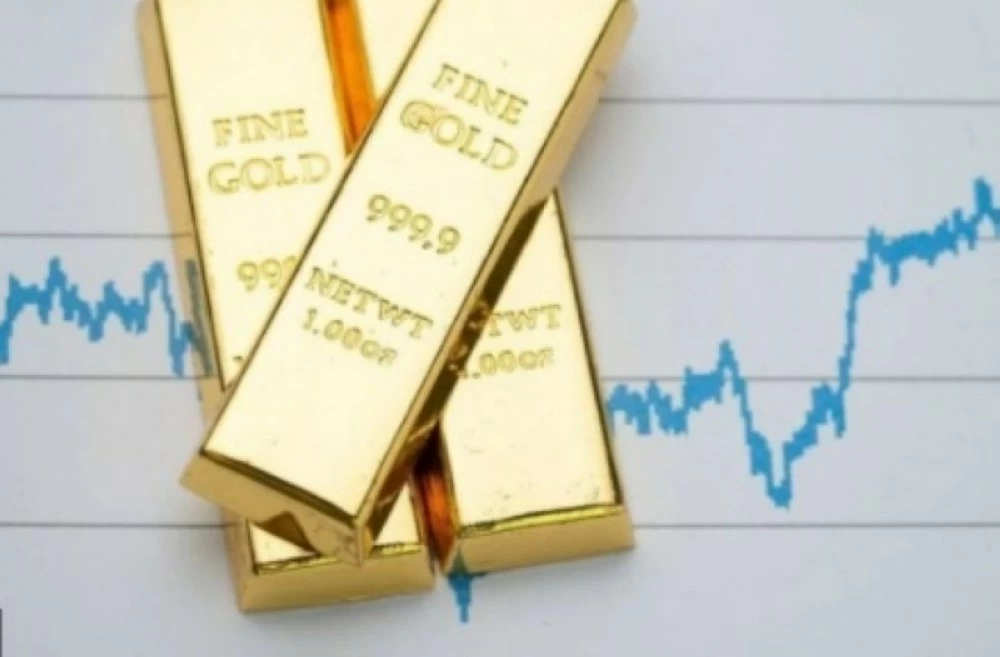
شهدت أسواق الذهب والفضة تراجعاً حاداً ومفاجئاً أزال أكثر من 7.4 تريليون دولار من قيمتها في دقائق معدودة، ما صدم المستثمرين والمتداولين حول العالم. وانهارت الأسعار بشكل حاد بعد وصولها إلى مستويات قياسية خلال الأسابيع الماضية، الأمر الذي أثار جدلاً واسعاً حول أسباب هذا الانخفاض المفاجئ والتاريخي، وما إذا كان طبيعياً نتيجة التقلبات السوقية وعمليات جني الأرباح، أم أنه يُشكّل حالة من التلاعب المتعمد. وذلك بحسب ما نشر موقع «العربية.نت».
أرباح ومضاربات
ووصف البعض هذا الحدث بأنه واحدة من أكبر التقلبات بالسيولة في التاريخ، فيما أرجع محللون سبب الانخفاض الحاد إلى جني الأرباح بعد وصول الأسعار لمستويات قياسية، وممارسات تداول مضاربة، وعدم اليقين العالمي.
وتساءل عدد من المستثمرين والمحللين عما إذا كان الانخفاض المفاجئ في أسعار الذهب والفضة ناتجاُ عن تلاعب كامل بالسوق. وأشار خبراء إلى أن مثل هذه التقلبات السريعة قد تنجم عن جني الأرباح، أو التداول المضاربي، أو إجراءات منسقة من قبل كبار المستثمرين.
تقلبات حادة
وأوضح محللون أن الأسواق الصغيرة مثل الفضة والبلاتين والبلاديوم أكثر عرضة لتقلبات حادة نتيجة تدفقات نقدية مفاجئة، مقارنة بالأسواق الأكبر مثل الذهب أو مؤشر S&P 500. ورغم عدم وجود تأكيد رسمي للتلاعب، فإن حجم الخسائر أثار تساؤلات حول عدالة السوق واستقراره، وحاجته لمراجعة تنظيمية من الجهات المعنية.
وقالت كاثلين بروكس من إحدى المجموعة المتخصصة في التداول: «إن رالي الذهب والفضة انتهى لأن الأسعار ارتفعت بسرعة كبيرة جداً، وفقاً لتقرير نشرته "economictimes".
مستويات قياسية
وأوضح ديفيد ميغر، مدير تداول المعادن، أن عمليات البيع جاءت بعد وصول أسعار المعادن الثمينة إلى مستويات قياسية، حيث استغل المستثمرون الفرصة لتأمين الأرباح، رغم أن المعدنين لا يزالان على طريق تحقيق أفضل شهر لهما منذ ثمانينات القرن الماضي.
وأضاف "غاي وولف": إن هذه المعادن عرضة لتحركات سريعة جدًا قد تبتعد عن الطلب الفعلي على المعدن".
وتشير تقارير إلى أن أسواق الفضة والبلاتين والبلاديوم أصغر حجمًا مقارنة بالذهب أو S&P 500، ما يجعلها أكثر عرضة لتقلبات مفاجئة نتيجة تدفقات المضاربة.
ويعود محو تريليونات الدولارات من سوق الذهب والفضة نتيجة لعدة أسباب من بينها جني الأرباح بعد مستويات قياسية، التداول المضاربي، وردود فعل السوق على الأحداث الجيوسياسية وقرارات الاحتياطي الفيدرالي.
The gold and silver markets have experienced a sharp and sudden decline that wiped out more than $7.4 trillion in value in just a few minutes, shocking investors and traders around the world. Prices collapsed sharply after reaching record levels in recent weeks, sparking widespread debate about the reasons for this sudden and historic drop, and whether it is a natural result of market fluctuations and profit-taking, or if it constitutes a case of deliberate manipulation. This was reported by the website "Al Arabiya.net".
Profits and Speculations
Some described this event as one of the largest liquidity fluctuations in history, while analysts attributed the sharp decline to profit-taking after prices reached record levels, speculative trading practices, and global uncertainty.
A number of investors and analysts questioned whether the sudden drop in gold and silver prices was the result of complete market manipulation. Experts pointed out that such rapid fluctuations could stem from profit-taking, speculative trading, or coordinated actions by large investors.
Sharp Fluctuations
Analysts explained that smaller markets like silver, platinum, and palladium are more susceptible to sharp fluctuations due to sudden cash flows, compared to larger markets like gold or the S&P 500. Although there is no official confirmation of manipulation, the scale of the losses has raised questions about market fairness and stability, and the need for regulatory review by the relevant authorities.
Kathleen Brooks from a specialized trading group stated, "The gold and silver rally is over because prices rose too quickly," according to a report published by "economictimes".
Record Levels
David Meger, director of metals trading, explained that the sell-off came after precious metal prices reached record levels, as investors seized the opportunity to secure profits, even though the metals are still on track for their best month since the 1980s.
Guy Wolf added, "These metals are subject to very rapid movements that may deviate from actual demand for the metal."
Reports indicate that the silver, platinum, and palladium markets are smaller compared to gold or the S&P 500, making them more vulnerable to sudden fluctuations due to speculative flows.
The erasure of trillions of dollars from the gold and silver markets is attributed to several reasons, including profit-taking after record levels, speculative trading, and market reactions to geopolitical events and Federal Reserve decisions.