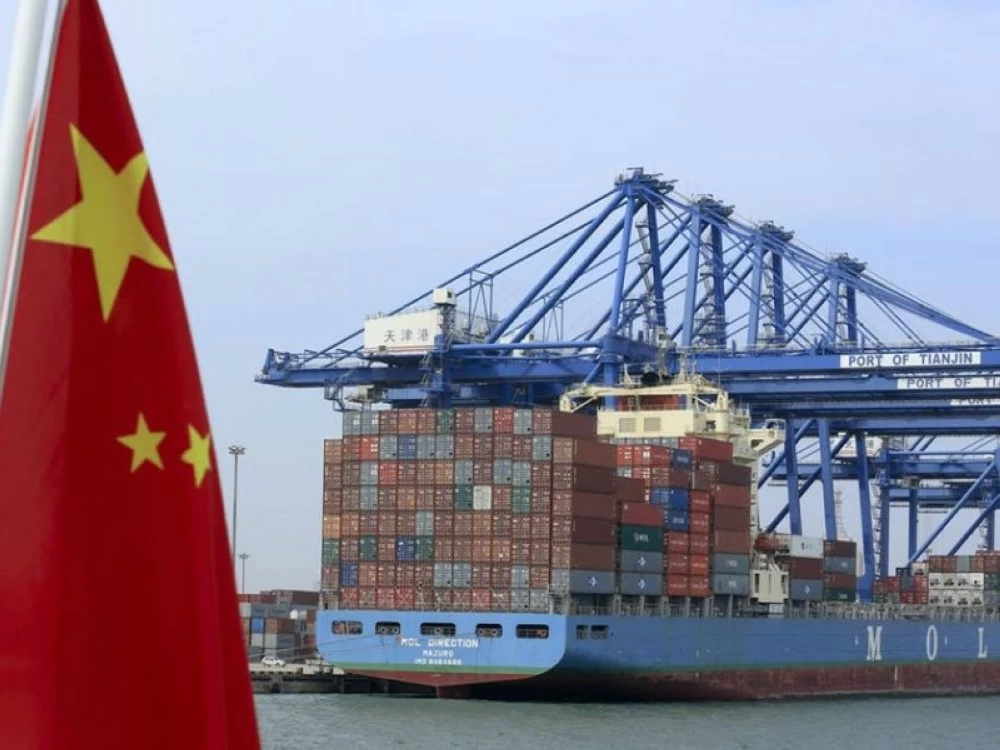
أقرت الصين اليوم (السبت) تعديلات على قانون رئيسي بهدف تعزيز قدرة بكين على شن حرب تجارية، والحد من الشحنات الصادرة بداية من المعادن ذات الأهمية الإستراتيجية وحتى الدمى، وكذلك زيادة انفتاح الاقتصاد الذي يبلغ حجمه 19 تريليون دولار.
وذكرت وكالة أنباء الصين الجديدة (شينخوا) أن المراجعة الأحدث لقانون التجارة الخارجية، التي وافقت عليها أعلى هيئة تشريعية في الصين، ستدخل حيز التنفيذ في الأول من مارس 2026.
ويجري ثاني أكبر اقتصاد في العالم إصلاحات جزئية للأُطر القانونية المتعلقة بالتجارة، لإقناع أعضاء تكتل تجاري رئيسي عبر المحيط الهادي -تم تأسيسه لمواجهة النفوذ الصيني المتزايد- بأن القوة الصناعية تستحق مقعداً على الطاولة، حيث تسعى بكين إلى تقليل اعتمادها على الولايات المتحدة.
ووفقاً لـ«شينخوا»، تضيف المراجعة أيضا بنداً ينص على أن التجارة الخارجية يجب أن «تخدم التنمية الاقتصادية والاجتماعية الوطنية» وتساعد في بناء الصين لتصبح «دولة تجارية قوية».
وأضافت الوكالة أن المراجعة «توسّع وتحسّن» مجموعة الأدوات القانونية لمواجهة التحديات الخارجية.
وتركز المراجعة على قطاعات مثل التجارة الرقمية والتجارة الخضراء، إلى جانب أحكام الملكية الفكرية، والتحسينات الرئيسية التي تحتاج الصين إلى إدخالها للوفاء بمعايير الاتفاقية الشاملة والتقدمية للشراكة عبر المحيط الهادي، بدلاً من أدوات الدفاع التجاري التي تم التركيز عليها في مراجعة عام 2020 بعد حرب الرسوم الجمركية التي استمرت 4 سنوات خلال ولاية الرئيس الأمريكي دونالد ترمب الأولى.
China today (Saturday) approved amendments to a key law aimed at enhancing Beijing's ability to wage a trade war, limiting exports starting from strategically important metals to toys, as well as increasing the openness of its $19 trillion economy.
According to Xinhua News Agency, the latest revision of the foreign trade law, which was approved by China's top legislative body, will come into effect on March 1, 2026.
The world's second-largest economy is undertaking partial reforms of the legal frameworks related to trade, to persuade members of a major trans-Pacific trade bloc—established to counter China's growing influence—that industrial power deserves a seat at the table, as Beijing seeks to reduce its reliance on the United States.
According to Xinhua, the revision also adds a provision stating that foreign trade must "serve national economic and social development" and help build China into a "strong trading nation."
The agency added that the revision "expands and improves" the legal toolkit to address external challenges.
The revision focuses on sectors such as digital trade and green trade, along with intellectual property provisions, and the major improvements that China needs to make to meet the standards of the Comprehensive and Progressive Agreement for Trans-Pacific Partnership, rather than the trade defense tools that were emphasized in the 2020 revision following the four-year tariff war during former U.S. President Donald Trump's first term.