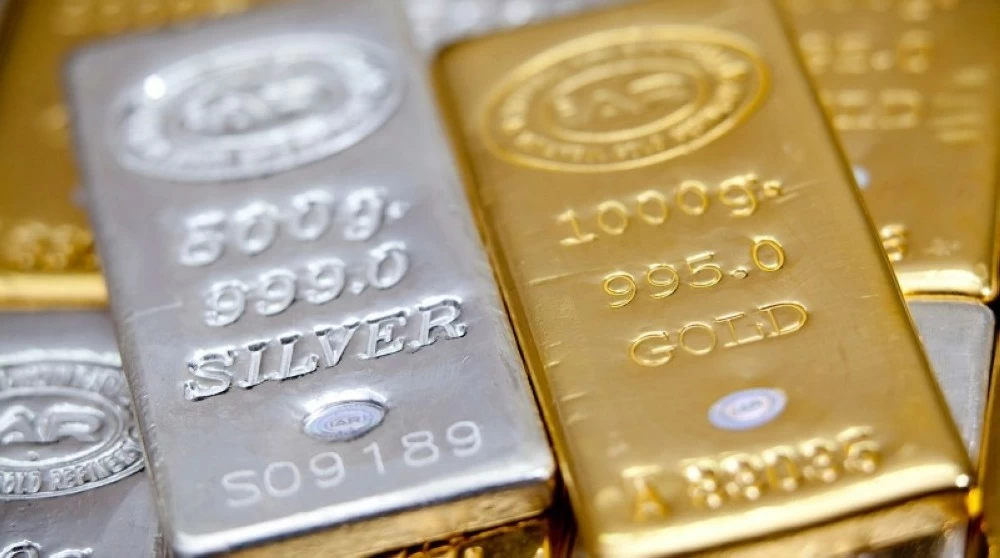
تراجعت أسعار الذهب اليوم (الخميس)، بعدما سجل أعلى مستوى في أسبوع تقريباً، بعد انقسام مجلس الاحتياطي الاتحادي (البنك المركزي الأمريكي) بشأن قراره خفض أسعار الفائدة، مما جعل المستثمرين غير متيقنين من وتيرة التيسير النقدي العام القادم، بينما سجلت الفضة مستوى قياسيّاً مرتفعاً آخر.
وهبط الذهب في المعاملات الفورية 0.2% إلى 4.221.49 دولار للأونصة بحلول الساعة 03:00 بتوقيت غرينتش، بعد أن لامس أعلى مستوى منذ الخامس من شهر ديسمبر في وقت سابق من الجلسة، وارتفعت العقود الأمريكية الآجلة للذهب تسليم شهر فبراير 0.6% إلى 4249.70 دولار للأونصة.
وعادة ما تعود أسعار الفائدة المنخفضة بالفائدة على الأصول التي لا تدر عائداً مثل الذهب.
وينتظر المستثمرون الآن بيانات الوظائف والتضخم في الولايات المتحدة لشهر نوفمبر والتي تصدر الأسبوع القادم، يليها تقرير مفصل عن النمو الاقتصادي بالربع الثالث.
وبالنسبة للمعادن النفيسة الأخرى، ارتفعت الفضة في المعاملات الفورية 0.8% إلى 62.25 دولار للأونصة بعد أن سجلت مستوى قياسيّاً مرتفعاً بلغ 62.88 دولار في وقت سابق من الجلسة، لتصل مكاسبها منذ بداية العام إلى 113% بفضل قوة الطلب الصناعي وانخفاض المخزونات وإضافتها إلى قائمة المعادن الحرجة في الولايات المتحدة.
Gold prices fell today (Thursday) after reaching the highest level in almost a week, following a split in the Federal Reserve (the U.S. central bank) over its decision to cut interest rates, which left investors uncertain about the pace of monetary easing next year, while silver recorded another record high.
Gold dropped 0.2% in spot transactions to $4,221.49 per ounce by 03:00 GMT, after touching its highest level since December 5 earlier in the session, and U.S. gold futures for February delivery rose 0.6% to $4,249.70 per ounce.
Generally, low interest rates benefit non-yielding assets like gold.
Investors are now awaiting the U.S. jobs and inflation data for November, which will be released next week, followed by a detailed report on economic growth for the third quarter.
As for other precious metals, silver rose 0.8% in spot transactions to $62.25 per ounce after reaching a record high of $62.88 earlier in the session, bringing its gains since the beginning of the year to 113% due to strong industrial demand, declining inventories, and its addition to the list of critical minerals in the United States.