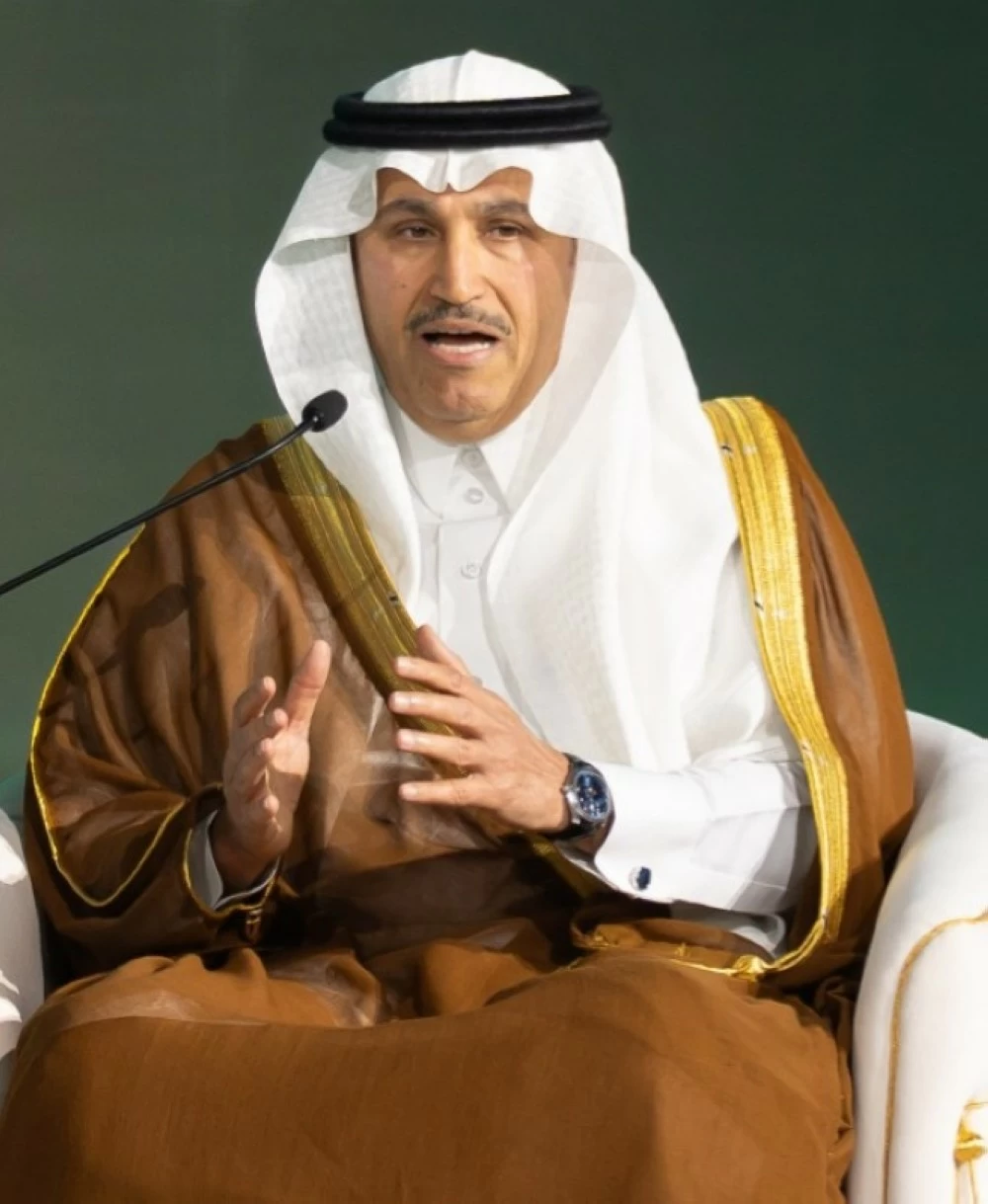
أكد وزير النقل والخدمات اللوجستية المهندس صالح الجاسر، أن منظومة النقل والخدمات اللوجستية تشهد تحولًا نوعيًا يقوده توظيف التقنيات الحديثة والذكاء الاصطناعي، لرفع الكفاءة التشغيلية وتعزيز مستويات السلامة وتطوير خطط الصيانة في قطاعات الطيران والطرق والموانئ والنقل السككي.
وأوضح أن استخدام الذكاء الاصطناعي في تحليل البيانات وتحسين خطط الصيانة الاستباقية أسهم في تقليل الأعطال، وتسريع الاستجابة، ورفع جودة الخدمات المقدمة للمسافرين والمستفيدين، بما يعزز موثوقية البنية التحتية واستدامتها على المدى الطويل.
وأشار إلى أن المنظومة تُعد من أبرز القطاعات الحكومية الملتزمة بثقافة كفاءة الإنفاق في مختلف أنشطتها، لافتًا إلى أن القطاع حقق المركز الأول بين الجهات الحكومية في كفاءة الإنفاق لعام 2025، وهو ما يعكس حجم التحول الذي شهدته المنظومة منذ إطلاق الإستراتيجية الوطنية للنقل والخدمات اللوجستية.
وبيّن الجاسر أن الوزارة تعمل على تطوير نماذج تشغيل تعتمد بشكل أكبر على البيانات والذكاء الاصطناعي، بما يسهم في تعزيز موثوقية سلاسل الإمداد، وتحسين جودة الطرق والخدمات، وتدعيم مكانة المملكة كمركز لوجستي عالمي بما يتوافق مع مستهدفات رؤية 2030.
وأكد أن المرحلة القادمة ستشهد توسعًا إضافيًا في مشاريع التحول الرقمي وتطوير البنية التحتية، إلى جانب تعزيز الشراكات مع القطاع الخاص لرفع مستوى التنافسية ودعم الاقتصاد الوطني.
The Minister of Transport and Logistics Services, Engineer Saleh Al-Jasser, confirmed that the transport and logistics system is undergoing a qualitative transformation driven by the employment of modern technologies and artificial intelligence, aimed at enhancing operational efficiency, improving safety levels, and developing maintenance plans in the aviation, roads, ports, and rail transport sectors.
He explained that the use of artificial intelligence in data analysis and improving proactive maintenance plans has contributed to reducing malfunctions, speeding up response times, and enhancing the quality of services provided to travelers and beneficiaries, thereby boosting the reliability and sustainability of the infrastructure in the long term.
He pointed out that the system is one of the most prominent government sectors committed to a culture of spending efficiency in its various activities, noting that the sector achieved first place among government entities in spending efficiency for the year 2025, which reflects the extent of the transformation the system has witnessed since the launch of the National Transport and Logistics Strategy.
Al-Jasser indicated that the ministry is working on developing operational models that rely more on data and artificial intelligence, which contributes to enhancing the reliability of supply chains, improving the quality of roads and services, and strengthening the Kingdom's position as a global logistics hub in line with the objectives of Vision 2030.
He confirmed that the upcoming phase will witness additional expansion in digital transformation projects and infrastructure development, along with strengthening partnerships with the private sector to raise competitiveness and support the national economy.