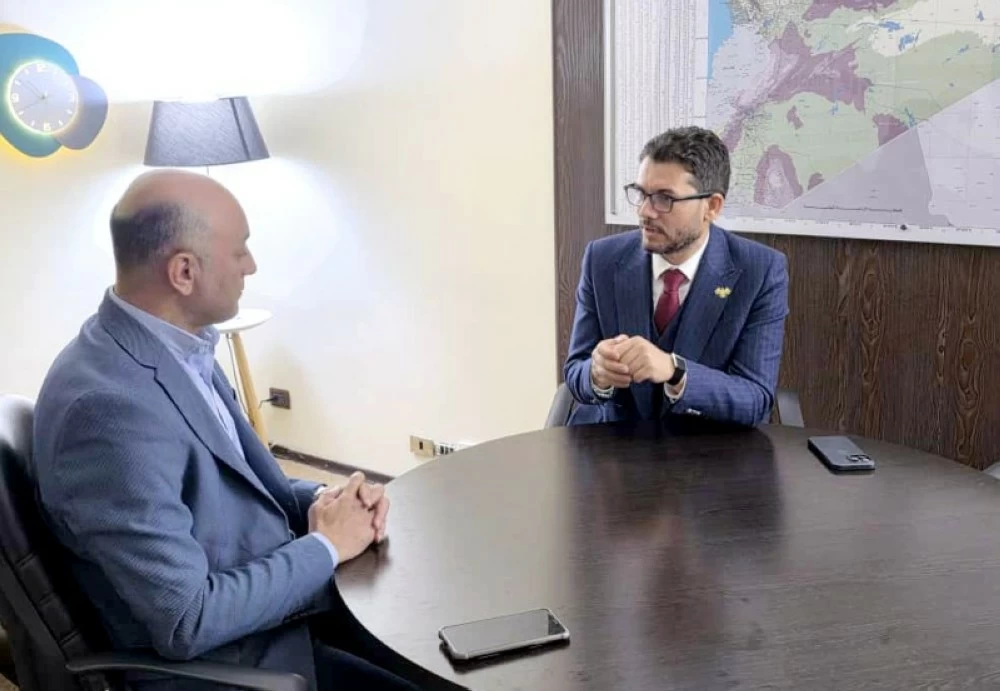
أكد رئيس مجلس الأعمال السوري الصيني وعضو المجلس الأعلى للتنمية الاقتصادية فادي الأحمد أن المملكة العربية السعودية تمثّل اليوم نموذجًا اقتصاديًا إقليميًا يحتذى به، وأن التطوّر الكبير الذي تشهده المملكة يمكن أن يشكّل فرصة مهمة لدعم الاقتصاد السوري مستقبلًا، وأوضح أن سورية تمتلك علاقة تاريخية مع السعودية، وأن أبواب التعاون الاقتصادي بين البلدين تُفتح اليوم بشكل متسارع، كما أشار إلى أن تحويل الأموال لا يزال تحديًا، معربًا عن تفاؤله بقرب إيجاد حلول عملية له.
التجربة السعودية
• كيف تقيّمون تصاعد خطوات رؤية المملكة 2030؟ وما أولوياتكم الصناعية في هذا السياق؟
•• رؤية المملكة 2030 أصبحت نموذجًا اقتصاديًا إقليميًا يُحتذى به لدى النخب والدول والمجتمعات في المنطقة،
وأولويتنا الإنتاجية ترتكز على 3 محاور: «التحوّل نحو الصناعات المتقدّمة، تعزيز سلاسل الإمداد الوطنية، تطبيق مبادئ الاقتصاد الدائري في جميع مراحل الإنتاج».
• من وجهة نظركم، كيف يمكن للسعودية أن تكون رافعة للاقتصاد السوري؟
•• المملكة تمتلك ثقلًا جيواقتصاديًا كبيرًا، وعلاقتها مع سورية علاقة تاريخية وطويلة، ويمكن لسورية أن تستفيد بشكل كبير من التجربة السعودية المتقدّمة في البنية التحتية، والتحوّل الرقمي، والاقتصاد الأخضر، والصناعات البتروكيماوية، والقطاع المالي والمصرفي.
وبصفتي رئيس مجلس الأعمال السوري الصيني، أرى أن الاستثمار السعودي المباشر في سورية عند انطلاقه سيسهم في تسريع إعادة بناء الصناعة السورية واستعادة قدراتها الإنتاجية، خصوصًا في ظل الديناميكية الإيجابية للزيارات والاتفاقيات الأخيرة بين البلدين.
المناطق المستهدفة
• أين ترون المواقع المناسبة لإقامة المصانع المتوسطة في سورية؟
•• تتوزع المواقع المثالية بحسب توفر البنية التحتية والطاقة وقرب الأسواق، والمناطق الأقرب لهذا النوع من المصانع هي: «حلب، دمشق وريفها، حمص، اللاذقية والساحل السوري، وشرق الفرات».
• هل يشكّل تحويل الأموال إلى سورية عائقًا أمام المستثمرين؟ وكيف يمكن تجاوز هذه المشكلة؟
•• نعم، تحويل الأموال يمثّل تحديًا حقيقيًا حاليًا، وهو في جوهره نتيجة للعقوبات الاقتصادية السابقة. لكننا متفائلون بأن حل هذه الإشكالية مجرد مسألة وقت، فالتطوّرات الأخيرة تدعم إمكانية تجاوز هذا العائق قريبًا وتمهيد الطريق أمام الاستثمارات المحلية والأجنبية.
• ما الصناعات التي يمكن أن تمنح سورية قيمة إنتاجية عالية في حقل النسيج؟
•• قطاع النسيج هو الهوية الاقتصادية لسورية منذ قرون، ولإعادة هذه الصناعة إلى مكانتها، يجب التركيز على (الأقمشة المتخصصة، الغزل عالي الجودة، أقمشة المفروشات والفنادق والطيران).
The Chairman of the Syrian-Chinese Business Council and member of the Supreme Council for Economic Development, Fadi Al-Ahmad, confirmed that the Kingdom of Saudi Arabia today represents a regional economic model to be emulated, and that the significant development witnessed by the Kingdom can constitute an important opportunity to support the Syrian economy in the future. He clarified that Syria has a historical relationship with Saudi Arabia, and that the doors for economic cooperation between the two countries are opening today at an accelerating pace. He also pointed out that money transfer remains a challenge, expressing optimism about the imminent finding of practical solutions to it.
The Saudi Experience
• How do you assess the escalating steps of Vision 2030? What are your industrial priorities in this context?
•• Vision 2030 has become a regional economic model that is emulated by elites, countries, and communities in the region,
and our production priorities are based on three pillars: “the transition to advanced industries, enhancing national supply chains, and applying the principles of circular economy in all stages of production.”
• From your perspective, how can Saudi Arabia be a lever for the Syrian economy?
•• The Kingdom has significant geo-economic weight, and its relationship with Syria is historical and long-standing. Syria can greatly benefit from the advanced Saudi experience in infrastructure, digital transformation, green economy, petrochemical industries, and the financial and banking sector.
As the Chairman of the Syrian-Chinese Business Council, I see that direct Saudi investment in Syria, when it begins, will contribute to accelerating the rebuilding of the Syrian industry and restoring its productive capacities, especially in light of the positive dynamics of recent visits and agreements between the two countries.
Targeted Areas
• Where do you see suitable locations for establishing medium-sized factories in Syria?
•• The ideal locations are distributed based on the availability of infrastructure, energy, and proximity to markets. The areas closest for this type of factories are: “Aleppo, Damascus and its countryside, Homs, Latakia and the Syrian coast, and the eastern Euphrates.”
• Does the money transfer to Syria pose an obstacle for investors? How can this problem be overcome?
•• Yes, money transfer currently represents a real challenge, and it is essentially a result of previous economic sanctions. However, we are optimistic that resolving this issue is just a matter of time, as recent developments support the possibility of overcoming this obstacle soon and paving the way for local and foreign investments.
• What industries can provide Syria with high production value in the textile field?
•• The textile sector has been Syria's economic identity for centuries, and to restore this industry to its rightful place, focus should be placed on (specialized fabrics, high-quality yarn, fabrics for furnishings, hotels, and aviation).