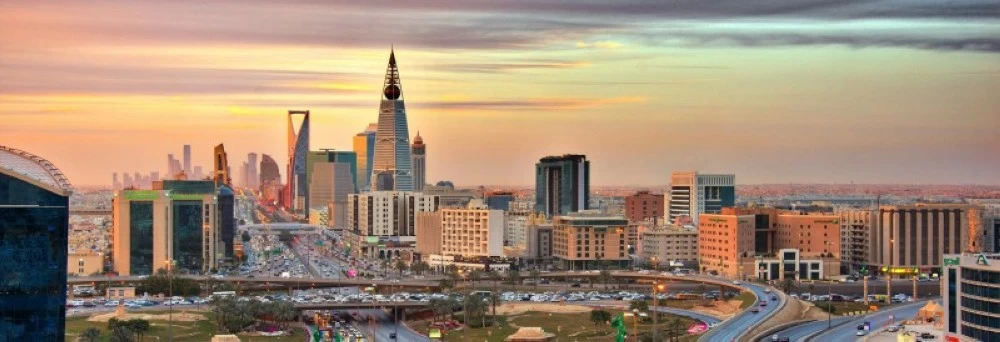
كشف مسؤول في الهيئة العامة للعقار، في تصريح لوكالة بلومبيرغ أمس (السبت)، أن المملكة ماضية في تنفيذ إصلاحات واسعة ستتيح للأجانب امتلاك أنواع متعددة من العقارات داخل السعودية، بما في ذلك في مكة المكرمة والمدينة المنورة، ابتداءً من يناير 2026.
وأوضح المسؤول أن النظام الجديد سيسمح لغير السعوديين بتملك العقارات السكنية والتجارية والصناعية والزراعية، إضافة إلى امتلاك الأراضي المخصّصة للتطوير، ومن المقرر أن تعلن الهيئة قريباً المناطق الجغرافية التي سيُسمح فيها بالتملك للأجانب، وأشار إلى أنه لن تُفرض قيود على التملك في مكة المكرمة والمدينة المنورة، بشرط واحد وهو أن يكون المشتري من المسلمين.
وذكرت مصادر أخرى أن النظام الجديد سيُحدث تحولاً كبيراً في سوق العقار السعودية، وسيسهم في جذب استثمارات عالمية إضافية.
تأتي هذه التغييرات ضمن مسار الإصلاحات القانونية والتنظيمية الداعمة لرؤية المملكة 2030، الهادفة إلى تنويع مصادر الاقتصاد الوطني وتقليل الاعتماد على النفط.
وينصح خبراء عقاريون المستثمرين الأجانب بالتركيز مبدئياً على الرياض وجدة، اللتين تشهدان توسعاً عمرانياً سريعاً مدعوماً بإنفاق حكومي كبير على مشاريع البنية التحتية.
وتتوقع الأوساط الاقتصادية أن توفر الحكومة السعودية فرصاً واعدة للأجانب لتملك العقارات التجارية والسكنية داخل المناطق الاقتصادية الخاصة.
A responsible official at the General Authority for Real Estate stated in a statement to Bloomberg yesterday (Saturday) that the Kingdom is moving forward with extensive reforms that will allow foreigners to own various types of properties within Saudi Arabia, including in Mecca and Medina, starting from January 2026.
The official explained that the new system will permit non-Saudis to own residential, commercial, industrial, and agricultural properties, in addition to owning land designated for development. The authority is expected to announce soon the geographical areas where foreign ownership will be allowed, and he noted that there will be no restrictions on ownership in Mecca and Medina, with one condition: the buyer must be Muslim.
Other sources mentioned that the new system will bring about a significant transformation in the Saudi real estate market and will contribute to attracting additional global investments.
These changes are part of the legal and regulatory reforms supporting the Kingdom's Vision 2030, aimed at diversifying the sources of the national economy and reducing dependence on oil.
Real estate experts advise foreign investors to initially focus on Riyadh and Jeddah, which are experiencing rapid urban expansion supported by significant government spending on infrastructure projects.
Economic circles expect the Saudi government to provide promising opportunities for foreigners to own commercial and residential properties within special economic zones.