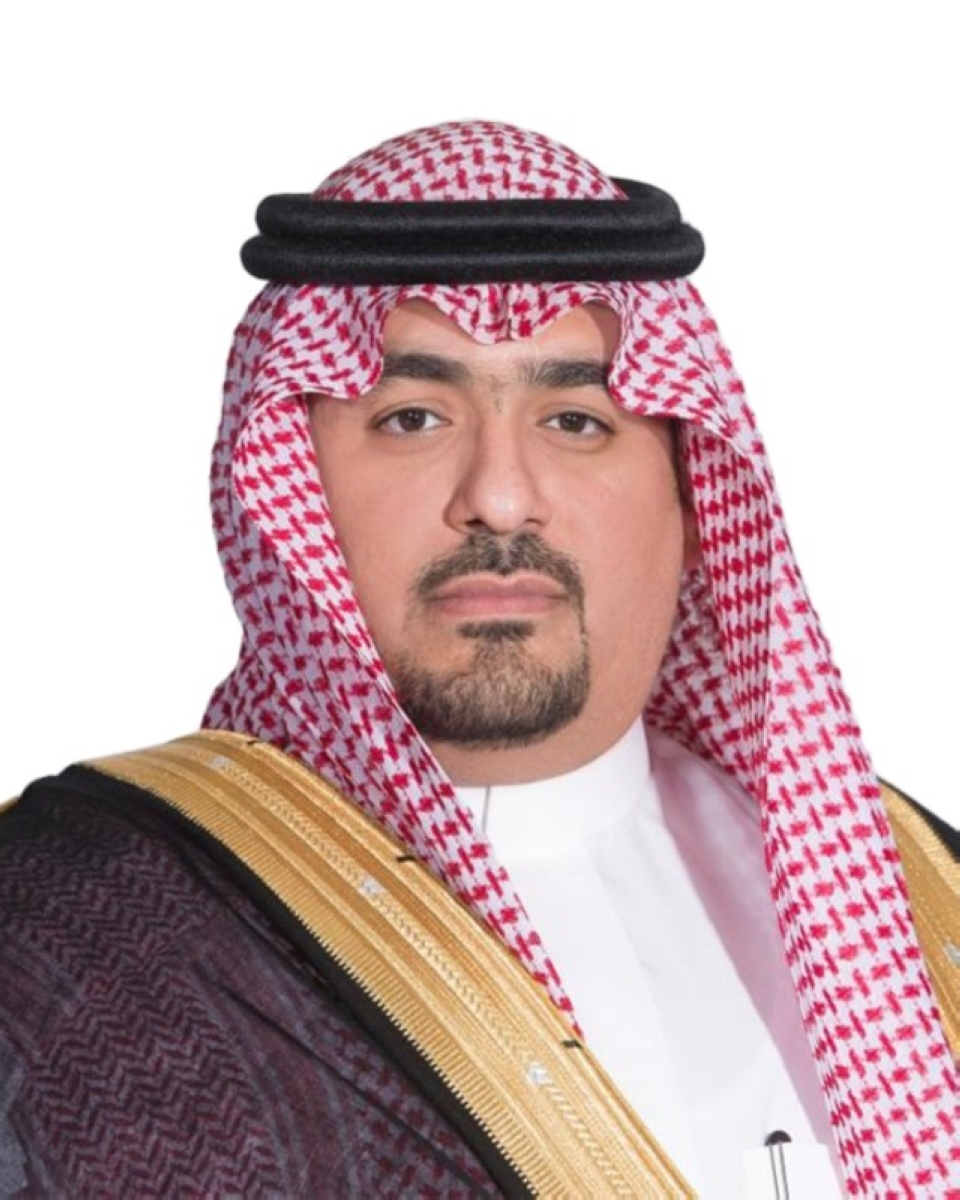
كشف وزير الاقتصاد والتخطيط فيصل الإبراهيم أن اعتماد المملكة المباشر وغير المباشر على النفط تراجع من أكثر من 90% إلى 68%، مبينا أن الأنشطة غير النفطية أصبحت تمثل حاليا 56% من الناتج المحلي الإجمالي الحقيقي وهي نسبة تفوق الأنشطة النفطية والحكومية مجتمعةً.
وأضاف خلال مشاركته في جلسة منتدى حوار برلين العالمي 2025، أن السعودية لا تزال في بداية التحول، لافتا إلى أن الاحصائيات تشير إلى اقتصاد أكثر مرونة واستدامة، تقوده الإنتاجية لا الإنفاق.
وذكر أن قوة الدول لا تنبع فقط من مواردها، بل من قدرتها على استثمار هذه الإمكانات وبناء مؤسسات فاعلة، وتوجيه السياسات العامة بكفاءة، مضيفا أن التعامل الجاد مع الشركاء الدوليين ضروري لصياغة نظام عالمي أكثر استقراراً.
وأكد على أهمية التدخل المحسوب في إزالة المخاطر التي تعترض القطاع الخاص، مبينا أن هذا التدخل يجب أن يكون أداة للتوازن وليس بديلاً عن التنافسية أو ديناميكية السوق.
وأضاف أن السعودية تحلل مصالحها الاقتصادية وتتخذ قرارات تخدم إمكاناتها على المدى الطويل، مع الحفاظ على شراكات استراتيجية متوازنة.
وأشار الإبراهيم إلى أن السعودية تركز على استقرار الأسواق على المدى الطويل وضمان تلبية الطلب العالمي، لافتا إلى أن المملكة تعمل حالياً على إلغاء بعض الخفض الطوعي في الإنتاج في إطار جهود تحقيق توازن مستدام.
The Minister of Economy and Planning, Faisal Al-Ibrahim, revealed that the Kingdom's direct and indirect reliance on oil has decreased from over 90% to 68%, indicating that non-oil activities currently represent 56% of the real GDP, a percentage that exceeds the combined oil and government activities.
He added during his participation in the Global Dialogue Forum in Berlin 2025 that Saudi Arabia is still at the beginning of its transformation, noting that statistics indicate a more resilient and sustainable economy, driven by productivity rather than spending.
He mentioned that the strength of nations does not only stem from their resources but also from their ability to invest in these potentials, build effective institutions, and direct public policies efficiently, adding that serious engagement with international partners is essential to shaping a more stable global system.
He emphasized the importance of calculated intervention to remove risks facing the private sector, indicating that this intervention should be a tool for balance and not a substitute for competitiveness or market dynamics.
He added that Saudi Arabia analyzes its economic interests and makes decisions that serve its long-term potentials while maintaining balanced strategic partnerships.
Al-Ibrahim pointed out that Saudi Arabia focuses on long-term market stability and ensuring global demand is met, noting that the Kingdom is currently working on lifting some voluntary production cuts as part of efforts to achieve sustainable balance.