كشف تقرير صادر عن صندوق النقد الدولي تسارع وتيرة النمو الاقتصادي في منطقة الشرق الأوسط وشمال أفريقيا خلال العام الحالي، رغم حالة انعدام اليقين عالميا، وتصاعد التوترات والصراعات في المنطقة.
وتوقع الصندوق في تقريره بشأن آفاق الاقتصاد الإقليمي، أن يسجل الناتج المحلي الإجمالي لدول المنطقة نموا بنسبة 3.3% خلال العام الحالي، و3.7% خلال العام القادم، وهي نسب تفوق التوقعات التي وردت في تقرير نشرته المؤسسة في مايو الماضي، وسجل اقتصاد المنطقة نموا بنسبة 2.1% خلال العام الماضي.
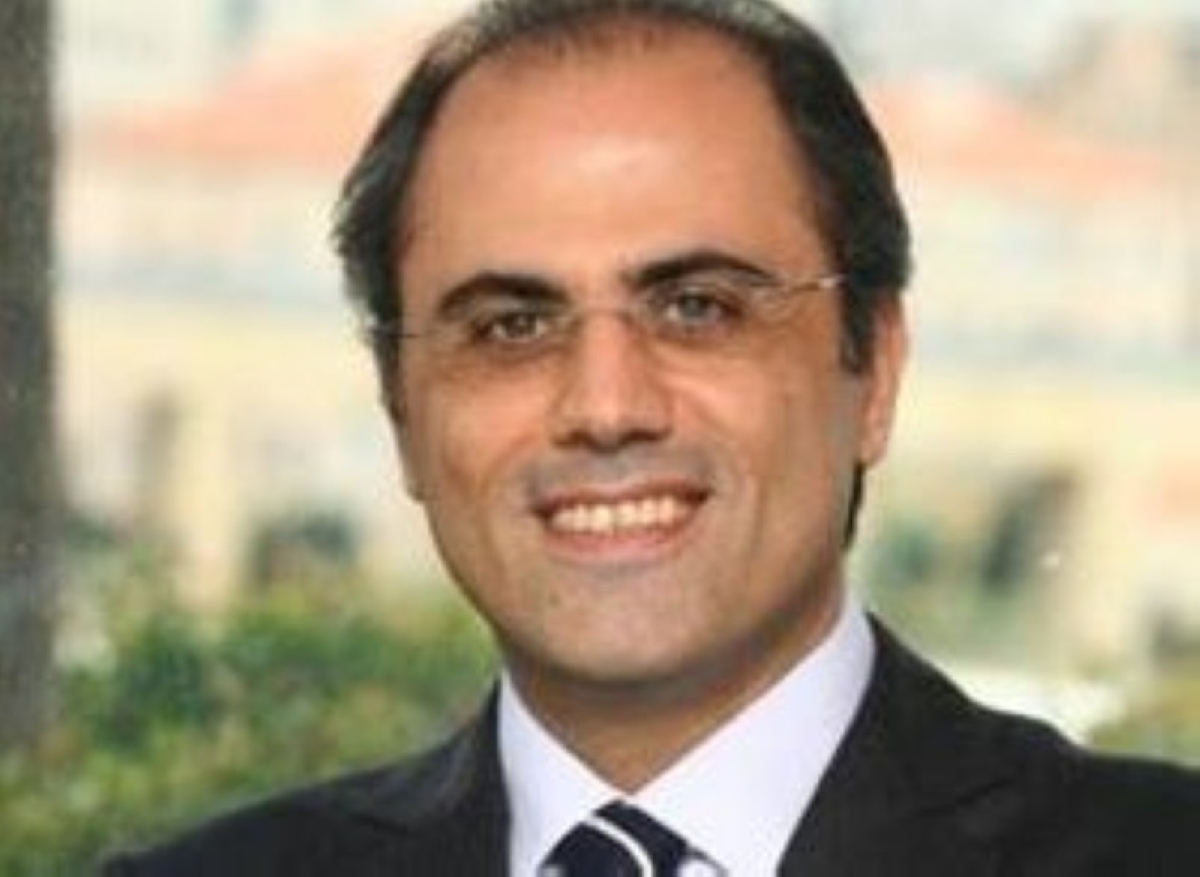
وأوضح مدير إدارة الشرق الأوسط وآسيا الوسطى في صندوق النقد الدولي جهاد أزعور، من جهته، أن النمو في المنطقة ظهر أقوى مما كان عليه العام الماضي على الرغم من الصدمات التي شهدتها المنطقة، من السياسات التجارية إلى التوترات الجيوسياسية والنزاعات وتقلبات أسعار النفط.
إنتاج النفط
وذكر أن الدول النفطية استفادت من زيادة الإنتاج النفطي التي عوضت انخفاض الأسعار، فيما حققت دول أخرى انتعاشا في قطاعات السياحة والصناعة والزراعة.
وأفاد أن المنطقة أثبتت قدرتها على الصمود في وجه صدمة جيوسياسية كبرى خلال الحرب في قطاع غزة امتدت عامين، ومن ذلك الأردن ومصر، وأنه من المبكر تحديد مدى التأثير المحتمل لوقف إطلاق النار على آفاق الاقتصاد الإقليمي.
تقييم المخاطر
وبين أن تأثير الاتفاق سيعتمد على مدى قدرة هذا الاستقرار على تحسين تقييم المخاطر في المنطقة، إضافة إلى إمكانية إعادة الإعمار في كل من سورية ولبنان وغزة واستتباب الوضع الأمني لاحقا في الضفة الغربية.
وشدّد على أن الأولويات في المرحلة الحالية هي تقييم حجم الأضرار في غزة والحاجات العاجلة ومتطلّبات إعادة الإعمار، بالتعاون مع الأمم المتحدة والبنك الدولي.
من جهة أخرى، وصف أزعور حاجات التمويل في دول أخرى تعاني نزاعات، مثل اليمن والسودان، بالهائلة، في ظل تراجع المساعدات الدولية.
A report issued by the International Monetary Fund revealed a rapid pace of economic growth in the Middle East and North Africa region during the current year, despite global uncertainty and escalating tensions and conflicts in the area.
The Fund predicted in its report on the outlook for the regional economy that the GDP of the countries in the region would grow by 3.3% during the current year and by 3.7% in the following year, figures that exceed the expectations mentioned in a report published by the institution last May. The region's economy recorded a growth rate of 2.1% during the past year.
Jihad Azour, the Director of the Middle East and Central Asia Department at the International Monetary Fund, explained that growth in the region appeared stronger than it was last year despite the shocks the region experienced, ranging from trade policies to geopolitical tensions, conflicts, and fluctuations in oil prices.
Oil Production
He mentioned that oil-producing countries benefited from increased oil production, which compensated for the drop in prices, while other countries experienced a recovery in the tourism, industry, and agriculture sectors.
He noted that the region has proven its ability to withstand a major geopolitical shock during the war in Gaza, which lasted for two years, including countries like Jordan and Egypt, and that it is too early to determine the potential impact of the ceasefire on the outlook for the regional economy.
Risk Assessment
He indicated that the impact of the agreement will depend on the extent to which this stability can improve the risk assessment in the region, in addition to the potential for reconstruction in Syria, Lebanon, and Gaza, and the subsequent stabilization of the security situation in the West Bank.
He emphasized that the current priorities are to assess the extent of the damage in Gaza, the urgent needs, and the requirements for reconstruction, in cooperation with the United Nations and the World Bank.
On another note, Azour described the financing needs in other countries suffering from conflicts, such as Yemen and Sudan, as enormous, amid a decline in international aid.