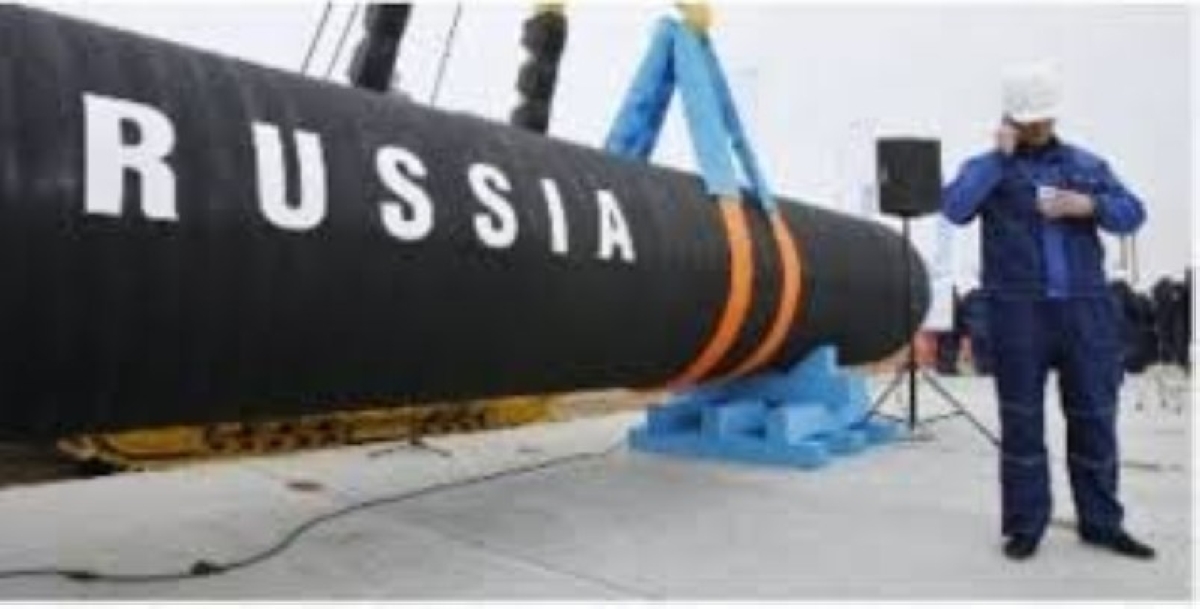
وافقت أكثرية البلدان الأعضاء في الاتحاد الأوروبي خلال اجتماع لوزراء الطاقة الأوروبيين في لوكسمبورغ، على حظر استيراد الغاز الطبيعي الروسي إلى دول الاتحاد بحلول نهاية العام 2027.
ومن خلال وقف شراء الغاز الطبيعي الروسي، يسعى الاتحاد الأوروبي إلى تجفيف مصدر أساسي لتمويل الحرب التي تخوضها موسكو في أوكرانيا.
وهذا التدبير الذي ينبغي إخضاعه للنقاش في البرلمان الأوروبي، اقترحته المفوضية خلال الربيع الماضي.
وتأمل الدنمارك التي تتولى حاليا الرئاسة الدورية للاتحاد الأوروبي حتى نهاية العام، في إقرار الإجراء نهائيا قبل مطلع السنة القادمة.
وقف كامل
وقد عارضت سلوفاكيا والمجر، وهما بلدان غير ساحليين ويعتمدان على مصادر الطاقة الروسية، بشدة هذا الحظر لكنهما لم ينجحا في توفير الغالبية اللازمة لتعطيله.
ويحاول الاتحاد الأوروبي وقف اعتماده على المحروقات الروسية منذ غزو موسكو لأوكرانيا في فبراير 2022. لكن الاتحاد الذي أوقف بالكامل وارداته من النفط الروسي، لا يزال يعتمد على صادرات موسكو من الغاز الطبيعي. ووفّرت روسيا 19% من إجمالي واردات الغاز في الاتحاد الأوروبي عام 2024، مقابل 45% في 2021.
وكان أعضاء البرلمان الأوروبي قد أيدوا الاقتراح بالفعل في تصويت جرى الأسبوع الماضي، مما يسمح ببدء المفاوضات مع حكومات الدول الأعضاء.
تجاوز الاعتراضات
وبموجب الاقتراح، سيتم حظر واردات النفط والغاز عبر الأنابيب، وكذلك الغاز الطبيعي المسال من روسيا، بشكل دائم اعتبارا من عام 2028 على أبعد تقدير.
وسيُعتمد الحظر بعد التوصل إلى اتفاق مع البرلمان الأوروبي بأغلبية الأصوات، ما يعني إمكانية تجاوز اعتراضات بعض الدول مثل المجر وسلوفاكيا، اللتين تعتمدان بشكل رئيسي على الغاز الروسي عبر خطوط الأنابيب.
ويأتي ذلك في وقت يتحرك فيه الاتحاد الأوروبي بالتوازي نحو فرض حظر على واردات الغاز الطبيعي المسال من روسيا، ضمن حزمة العقوبات الجديدة التي يعدّها الاتحاد ضد موسكو بسبب استمرار حربها ضد أوكرانيا.
The majority of EU member countries agreed during a meeting of European energy ministers in Luxembourg to ban the import of Russian natural gas to EU countries by the end of 2027.
By halting the purchase of Russian natural gas, the EU aims to dry up a key source of funding for the war that Moscow is waging in Ukraine.
This measure, which is subject to discussion in the European Parliament, was proposed by the Commission last spring.
Denmark, which currently holds the rotating presidency of the EU until the end of the year, hopes to finalize the procedure before the beginning of next year.
Complete Halt
Slovakia and Hungary, which are landlocked countries relying on Russian energy sources, strongly opposed this ban but were unable to secure the majority needed to block it.
The EU has been trying to reduce its dependence on Russian fuels since Moscow's invasion of Ukraine in February 2022. However, while the EU has completely halted its imports of Russian oil, it still relies on Moscow's natural gas exports. Russia provided 19% of the EU's total gas imports in 2024, down from 45% in 2021.
Members of the European Parliament had already supported the proposal in a vote held last week, allowing negotiations to begin with the governments of member states.
Overcoming Objections
Under the proposal, imports of oil and gas through pipelines, as well as liquefied natural gas from Russia, will be permanently banned by 2028 at the latest.
The ban will be adopted after reaching an agreement with the European Parliament by a majority vote, meaning it is possible to overcome objections from some countries like Hungary and Slovakia, which primarily rely on Russian gas through pipelines.
This comes at a time when the EU is also moving towards imposing a ban on imports of liquefied natural gas from Russia, as part of a new package of sanctions being prepared by the Union against Moscow due to its ongoing war against Ukraine.