في إطار توجّهها الإستراتيجي لتعزيز الشراكات الاقتصادية مع دول الشرق، تُواصل السعودية توسيع آفاق تعاونها مع كل من اليابان والصين، عبر مشاريع استثمارية نوعية ومبادرات طويلة المدى، تؤكد التزامها بتنويع الاقتصاد الوطني وتعزيز موقعها كمركز عالمي للاستثمار.
منتدى سعودي ياباني
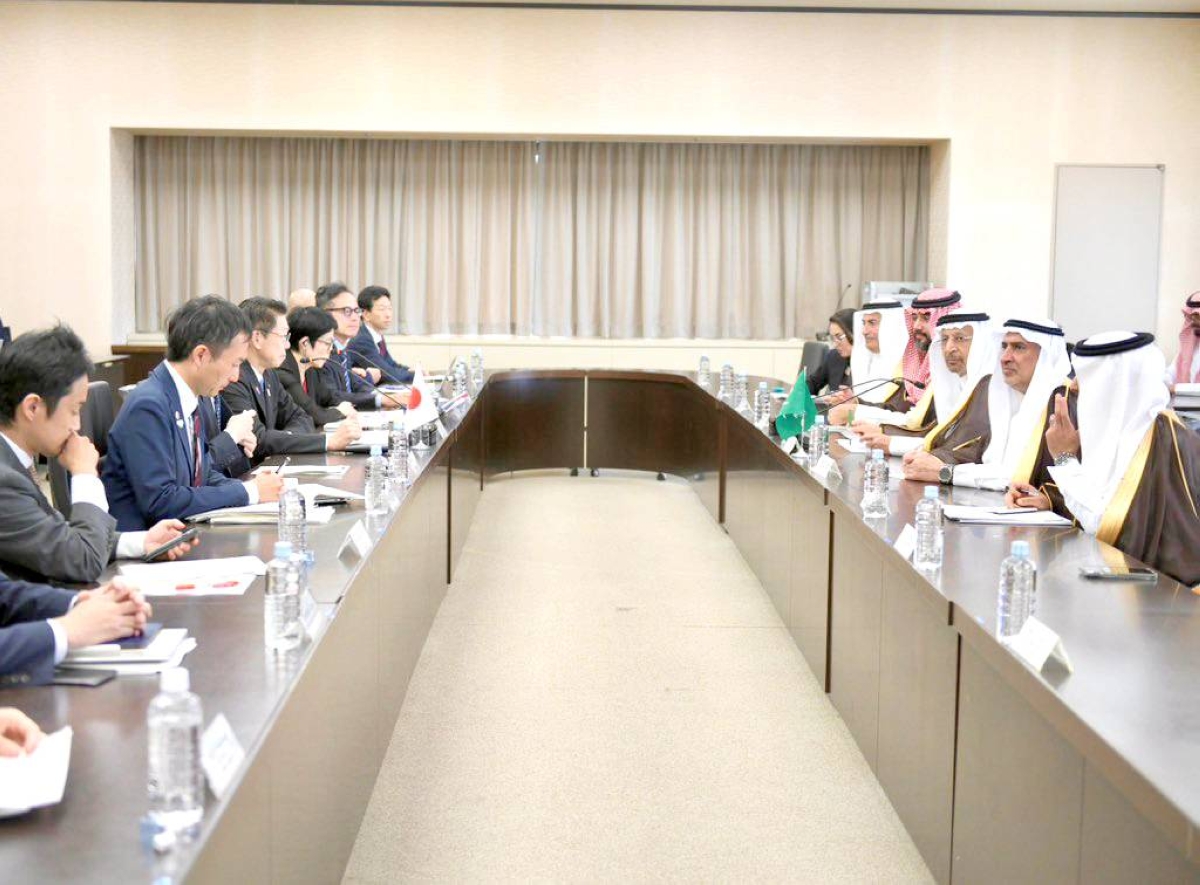
أكد وزير الاستثمار السعودي المهندس خالد الفالح خلال افتتاح منتدى الاستثمار السعودي الياباني في مدينة أوساكا، أن المملكة تدرس حالياً دمج الشركات اليابانية في مناطقها الاقتصادية الخاصة، في خطوة تعكس انفتاح السعودية على الشركاء الدوليين وتوفير بيئة أعمال محفّزة للمستثمرين.
كما كشف الفالح رغبة البنوك اليابانية في تقديم قروض للشركات السعودية، وتطوير منتجات مالية متوافقة مع طموحات أسواق المال بالمملكة، مشيراً إلى أن اليابان تُعد ثالث أكبر شريك تجاري للسعودية، وأن المملكة تُلبي 40% من احتياجات اليابان النفطية.
ويُعد المنتدى الذي حضره أكثر من 1500 مشارك، الأكبر من نوعه في أوساكا، وشكّل محطة جديدة ضمن سلسلة التعاون الممتد بين البلدين، خصوصا بعد الاجتماع الوزاري السابع للرؤية السعودية اليابانية 2030، الذي استضافته الرياض أخيرا، وأسفر عن توقيع 13 اتفاقية ومذكرة تفاهم شملت مجالات حيوية منها المياه، الطاقة، الرعاية الصحية، الاتصالات، والخدمات المالية.
الشراكة مع الصين
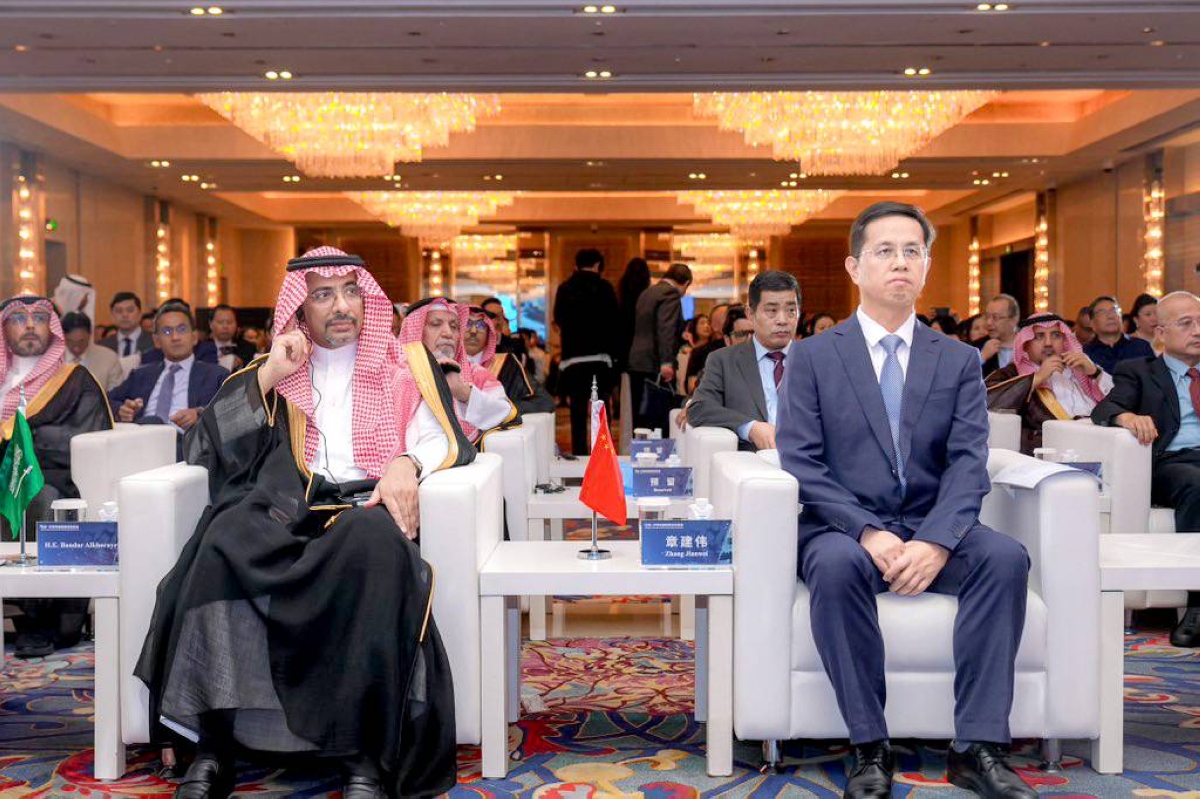
في العاصمة بكين، شارك وزير الصناعة والثروة المعدنية بندر الخريف في لقاء مع أكثر من 20 شركة تعدين صينية، بهدف استعراض الفرص الاستثمارية في قطاع التعدين السعودي، وتسليط الضوء على التطورات التي شهدها هذا القطاع الواعد.
وأكد الخريف أن العلاقات الاقتصادية السعودية الصينية تمثّل ركيزة أساسية لتعزيز التعاون في قطاع التعدين، مستعرضا مستهدفات رؤية المملكة 2030 في تحويل التعدين إلى ركيزة ثالثة في الصناعة الوطنية.
وأشار إلى أن المملكة رفعت تقديرات ثرواتها المعدنية من 1.3 إلى 2.5 تريليون دولار، بفضل برامج الاستكشاف والمسح الجيولوجي، والتي تشارك فيها شركات صينية نشطة. كما أشار إلى المزايا التنافسية للمملكة مثل موقعها الجغرافي الإستراتيجي، وأسعار الطاقة المناسبة، والتطور في البنية التحتية، وسهولة الإجراءات الحكومية.
ودعا وزير الصناعة الشركات الصينية إلى حضور النسخة الخامسة من مؤتمر التعدين الدولي، المقرر إقامته في الرياض خلال شهر يناير 2026، لمواصلة توسيع آفاق التعاون واستقطاب الاستثمارات النوعية في قطاع التعدين.
تُجسد هذه التحركات المتوازية في اليابان والصين حرص المملكة العربية السعودية على تنمية علاقاتها الاقتصادية مع القوى الكبرى في الشرق، واستقطاب استثمارات نوعية تعزز مستهدفات رؤية 2030 في التنويع الاقتصادي، وبناء بيئة استثمارية عادلة، تنافسية، وآمنة تدعم جودة الحياة والتنمية المستدامة.
As part of its strategic direction to enhance economic partnerships with Eastern countries, Saudi Arabia continues to expand its horizons of cooperation with both Japan and China through qualitative investment projects and long-term initiatives, reaffirming its commitment to diversifying the national economy and strengthening its position as a global investment hub.
Saudi-Japanese Forum
During the opening of the Saudi-Japanese Investment Forum in Osaka, Saudi Investment Minister Khalid Al-Falih confirmed that the Kingdom is currently studying the integration of Japanese companies into its special economic zones, a step that reflects Saudi Arabia's openness to international partners and provides a stimulating business environment for investors.
Al-Falih also revealed the interest of Japanese banks in providing loans to Saudi companies and developing financial products aligned with the aspirations of the Kingdom's financial markets, noting that Japan is the third-largest trading partner of Saudi Arabia, and that the Kingdom meets 40% of Japan's oil needs.
The forum, attended by more than 1,500 participants, is the largest of its kind in Osaka and represents a new milestone in the ongoing cooperation between the two countries, especially following the seventh ministerial meeting of the Saudi-Japanese Vision 2030, which was recently hosted in Riyadh and resulted in the signing of 13 agreements and memorandums of understanding covering vital areas including water, energy, healthcare, telecommunications, and financial services.
Partnership with China
In the capital Beijing, Minister of Industry and Mineral Resources Bandar Al-Khorayef participated in a meeting with more than 20 Chinese mining companies, aiming to showcase investment opportunities in the Saudi mining sector and highlight the developments that this promising sector has witnessed.
Al-Khorayef confirmed that Saudi-Chinese economic relations represent a fundamental pillar for enhancing cooperation in the mining sector, reviewing the targets of the Kingdom's Vision 2030 to transform mining into a third pillar of the national industry.
He noted that the Kingdom has raised its estimates of mineral wealth from $1.3 trillion to $2.5 trillion, thanks to exploration and geological survey programs, in which active Chinese companies participate. He also pointed to the Kingdom's competitive advantages such as its strategic geographical location, favorable energy prices, infrastructure development, and ease of government procedures.
The Minister of Industry invited Chinese companies to attend the fifth edition of the International Mining Conference, scheduled to be held in Riyadh in January 2026, to continue expanding cooperation and attracting quality investments in the mining sector.
These parallel movements in Japan and China embody the Kingdom of Saudi Arabia's commitment to developing its economic relations with major powers in the East and attracting quality investments that enhance the targets of Vision 2030 in economic diversification, while building a fair, competitive, and secure investment environment that supports quality of life and sustainable development.