


أكد صندوق النقد الدولي في ختام مشاورات المادة الرابعة مع المملكة العربية السعودية لعام 2025، أن الاقتصاد السعودي أثبت قدرته على الصمود في مواجهة الصدمات الخارجية، إذ تواصل الأنشطة الاقتصادية غير النفطية نموها، والتضخم قيد الاحتواء، كما سجلت معدلات البطالة انخفاضاً غير مسبوق.
ورغم تصاعد حالة عدم اليقين وانخفاض أسعار السلع الأولية، لا تزال الآفاق قوية وتحيط بها مخاطر التطورات السلبية، كما لا تزال هوامش الأمان الخارجية والمالية كبيرة حتى مع استمرار العجز في الحساب الجاري والمالية العامة على المدى المتوسط.
واتفق المديرون التنفيذيون لصندوق النقد الدولي مع الخط العام لتقييم خبراء الصندوق، كما أثنوا على الأداء الاقتصادي القوي للمملكة رغم ارتفاع حالة عدم اليقين العالمي والصدمات الخارجية، والذي تحقق بدعم من الإصلاحات الجارية في ظل رؤية 2030 لتنويع النشاط الاقتصادي السعودي، كما رحبوا بقوة النشاط الاقتصادي غير النفطي، إلى جانب تراجع التضخم وانخفاض البطالة إلى معدلات غير مسبوقة 2025، وبرغم ارتفاع حالة عدم اليقين وظهور معدلات العجز المزدوج، لا تزال الآفاق مواتية، تدعمها السياسات الاقتصادية الكلية المناسبة، والهوامش الاحتياطية الكبيرة، وزخم الإصلاح المثير للإعجاب.
وأيد المديرون انتهاج سياسة مالية معاكسة للاتجاهات الدورية على المدى القريب، نظراً لهوامش الأمان المالي الوفيرة، وذلك لدعم النمو وتجنب تضخيم تأثير التقلبات الكبيرة في أسعار النفط، ورحبوا بتخطيط الحكومة للطوارئ وحثوا على توخي العناية عند النظر في المفاضلات المتعلقة باستخدام هوامش الأمان المالي.
وعلى المدى المتوسط، اتفق المديرون على الحاجة إلى ضبط أوضاع المالية العامة بالتدريج لتحقيق العدالة بين الأجيال، ويمكن تحقيق ذلك من خلال إصلاحات السياسة الضريبية الأوسع نطاقاً لزيادة الإيرادات غير النفطية، واحتواء فاتورة الأجور، وإصلاح دعم الطاقة إلى جانب تحسين توجيه شبكات الأمان الاجتماعي لمستحقيها، وترشيد النفقات غير الأساسية.
وأثنى المديرون أيضاً على السلطات لما حققته من تقدم في تقوية مؤسسات المالية العامة، وحثوها على مواصلة بذل الجهود لتعزيز إطار المالية العامة متوسط الأجل، وشجعوا على تفعيل قاعدة للمالية العامة تقوم على النفقات، وعلى إجراء تحسينات في تنفيذ الميزانية، وتفعيل إطار شامل لإدارة الأصول والخصوم السيادية.
ورحب المديرون بالتقدم الكبير على صعيد شفافية المالية العامة مع تعزيز التحليل المالي والإفصاح عن البيانات، وبالجهود الجارية لتحليل المخاطر، بما فيها الالتزامات الاحتمالية، وشجعوا على تحقيق مزيد من التقدم في هذه المجالات، وألقوا الضوء على ضيق فروق العائد على السندات السيادية عقب إصدار السندات أخيراً، وهو ما يرجع إلى زيادة ثقة المستثمرين في استدامة سياسات المالية العامة.
واتفق المديرون على أن نظام ربط العملة بالدولار الأمريكي لا يزال ملائماً، ورحبوا بأوجه التحسن في إطار إدارة السيولة، وأشاروا إلى أن العمليات النقدية ينبغي أن تواصل التركيز على تمهيد السيولة في الأجل القصير دون أن تفضي إلى إذكاء نمو الأصول والائتمان.
وذكر المديرون أن الجهاز المصرفي لا يزال يتمتع بمستويات جيدة من رأس المال والربحية، كما أن أوضاع السيولة كافية، ومواطن الضعف في القطاع المالي المؤثرة على النظام متدنية، ورحبوا بمواصلة التقدم في تنفيذ الإصلاحات التنظيمية والرقابية في القطاع المصرفي وحثوا على سرعة اعتماد نظام المصارف والانتهاء من وضع إطار إدارة الأزمات.
وأثنى المديرون على التقدم الجيد في تنفيذ توصيات تقرير تقييم القطاع المالي، وتوخي البنك المركزي السعودي اليقظة في رصد المخاطر المحتملة، ورحبوا بمراجعته الاستباقية لأدوات السلامة الاحترازية الكلية من أجل ضمان استمرار الاستقرار المالي، وذلك بوسائل منها تحديد هامش الأمان الرأسمالي المعاكس للتقلبات الدورية أخيراً، وهو 100 نقطة أساس، ورحب المديرون كذلك بمواصلة التقدم في تعميق السوق المالية السعودية، وهو أمر مهم للمساعدة على تنويع مصادر التمويل.
وأشاد خبراء الصندوق بالإصلاحات الهيكلية منذ عام 2016، مؤكدين أهمية المحافظة على زخم الإصلاح بغض النظر عن تطورات أسعار النفط، كما رحبوا بصفة خاصة بأوجه التحسن في البيئة التنظيمية وبيئة الأعمال، كذلك رأس المال البشري، ومشاركة المرأة في سوق العمل، والحوكمة، وتطلعهم إلى التحسن المستمر في حصول المنشآت الصغيرة والمتوسطة على التمويل والتكامل التجاري الإقليمي والصمود في مواجهة المناخ.
وأشاروا إلى أن السياسات الصناعية ينبغي أن تظل مكملة للإصلاحات الهيكلية، بجانب أن تكون موجهة ومؤقتة وشفافة، كما ينبغي أن يتواصل إعطاء الأولوية لجذب استثمارات القطاع الخاص والمضي في تنويع النشاط الاقتصادي، كما أثنوا على المملكة لدورها في تحقيق الاستقرار في المنطقة، إلى جانب دورها القيادي في المنتديات متعددة الأطراف بما فيها مجموعة العشرين، كذلك دورها في رئاسة اللجنة الدولية للشؤون النقدية والمالية.
أكد قدرة المملكة على مواجهة الصدمات الخارجية
«النقد الدولي»: نمو قوي لـ«غير النفطية» في السعودية.. وانخفاض قياسي للبطالة
4 أغسطس 2025 - 16:21
|
آخر تحديث 4 أغسطس 2025 - 16:21
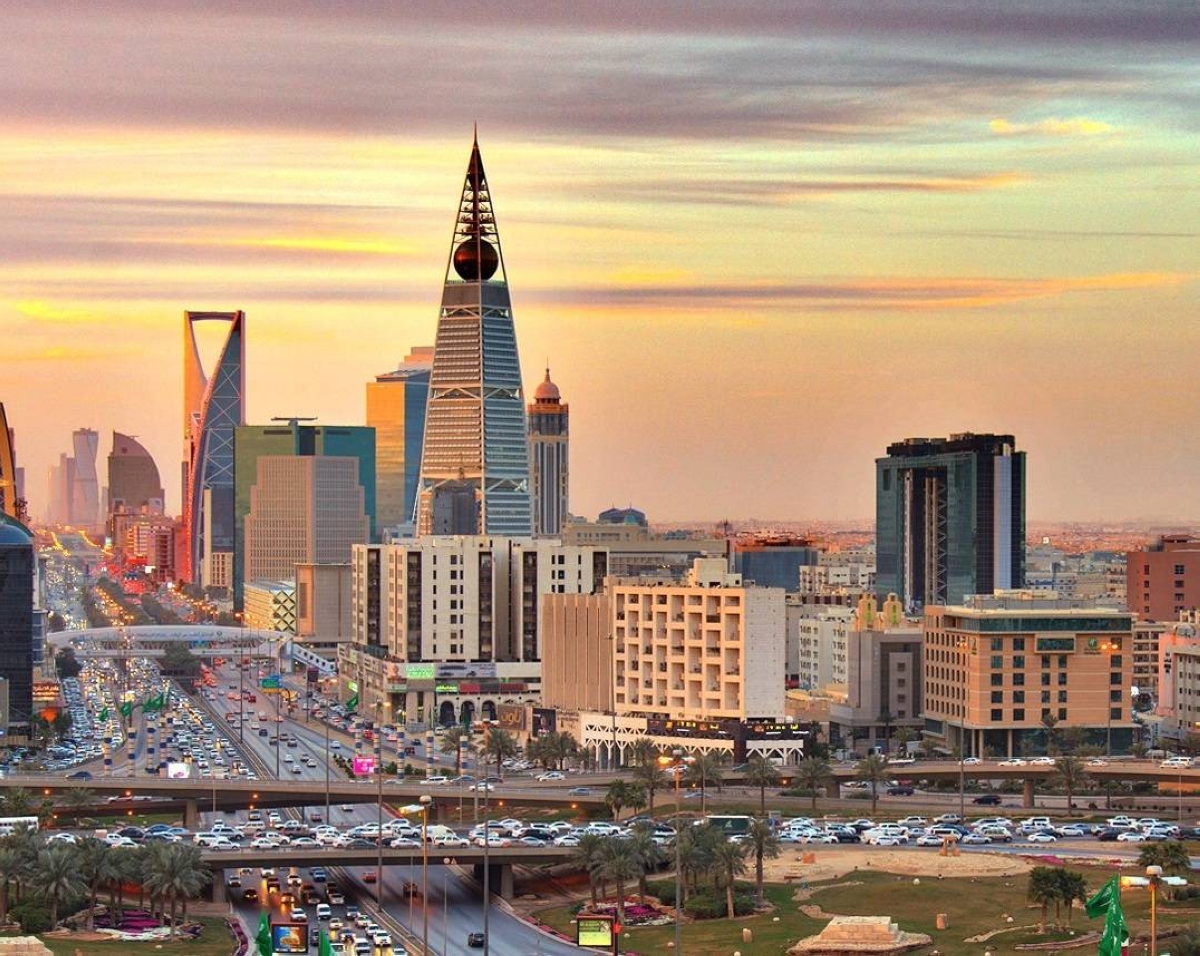
صندوق النقد الدولي أشاد بعمل المرأة وانخفاض البطالة.


تابع قناة عكاظ على الواتساب
«عكاظ» (جدة) @okaz_online
The International Monetary Fund confirmed at the conclusion of the Article IV consultations with the Kingdom of Saudi Arabia for 2025 that the Saudi economy has demonstrated its ability to withstand external shocks, as non-oil economic activities continue to grow, inflation is under control, and unemployment rates have recorded unprecedented declines.
Despite the rising uncertainty and falling commodity prices, the outlook remains strong, surrounded by risks of negative developments, while external and financial safety margins remain large even with the ongoing current account and public finance deficits in the medium term.
The Executive Directors of the International Monetary Fund agreed with the general assessment of the Fund's experts and praised the strong economic performance of the Kingdom despite the heightened global uncertainty and external shocks, which has been achieved with the support of ongoing reforms under Vision 2030 to diversify the Saudi economy. They also welcomed the strong performance of non-oil economic activity, alongside the decline in inflation and the drop in unemployment to unprecedented levels in 2025. Despite the rising uncertainty and the emergence of double deficits, the outlook remains favorable, supported by appropriate macroeconomic policies, significant safety margins, and impressive reform momentum.
The Directors supported adopting a counter-cyclical fiscal policy in the near term, given the ample financial safety margins, to support growth and avoid amplifying the impact of large fluctuations in oil prices. They welcomed the government's emergency planning and urged caution when considering trade-offs related to the use of financial safety margins.
In the medium term, the Directors agreed on the need to gradually adjust public finance conditions to achieve intergenerational equity, which can be achieved through broader tax policy reforms to increase non-oil revenues, containing the wage bill, reforming energy subsidies, alongside improving the targeting of social safety nets for those in need, and rationalizing non-essential expenditures.
The Directors also commended the authorities for their progress in strengthening public finance institutions and urged them to continue efforts to enhance the medium-term public finance framework. They encouraged activating a public finance rule based on expenditures, making improvements in budget execution, and implementing a comprehensive framework for managing sovereign assets and liabilities.
The Directors welcomed the significant progress in public finance transparency with enhanced financial analysis and data disclosure, as well as ongoing efforts to analyze risks, including contingent liabilities. They encouraged further progress in these areas and highlighted the narrowing of yield spreads on sovereign bonds following the recent bond issuance, which reflects increased investor confidence in the sustainability of public finance policies.
The Directors agreed that the currency peg to the US dollar remains appropriate and welcomed improvements in liquidity management. They noted that monetary operations should continue to focus on easing short-term liquidity without leading to excessive growth in assets and credit.
The Directors mentioned that the banking sector still enjoys good levels of capital and profitability, liquidity conditions are adequate, and vulnerabilities in the financial sector affecting the system are low. They welcomed the continued progress in implementing regulatory and supervisory reforms in the banking sector and urged the swift adoption of the banking system and the completion of the crisis management framework.
The Directors praised the good progress in implementing the recommendations of the Financial Sector Assessment Report, and the Saudi Central Bank's vigilance in monitoring potential risks. They welcomed its proactive review of macroprudential safety tools to ensure continued financial stability, including the recent establishment of a capital safety margin counter-cyclical to cyclical fluctuations, which is 100 basis points. The Directors also welcomed the continued progress in deepening the Saudi financial market, which is important for helping diversify funding sources.
The Fund experts praised the structural reforms since 2016, emphasizing the importance of maintaining the momentum of reform regardless of oil price developments. They particularly welcomed improvements in the regulatory environment and business climate, as well as human capital, women's participation in the labor market, governance, and their anticipation of continued improvement in small and medium enterprises' access to finance, regional trade integration, and resilience to climate challenges.
They indicated that industrial policies should remain complementary to structural reforms, in addition to being targeted, temporary, and transparent. They emphasized the need to continue prioritizing attracting private sector investments and advancing economic diversification. They also commended the Kingdom for its role in achieving stability in the region, along with its leadership role in multilateral forums including the G20, as well as its role in chairing the International Monetary and Financial Committee.
Despite the rising uncertainty and falling commodity prices, the outlook remains strong, surrounded by risks of negative developments, while external and financial safety margins remain large even with the ongoing current account and public finance deficits in the medium term.
The Executive Directors of the International Monetary Fund agreed with the general assessment of the Fund's experts and praised the strong economic performance of the Kingdom despite the heightened global uncertainty and external shocks, which has been achieved with the support of ongoing reforms under Vision 2030 to diversify the Saudi economy. They also welcomed the strong performance of non-oil economic activity, alongside the decline in inflation and the drop in unemployment to unprecedented levels in 2025. Despite the rising uncertainty and the emergence of double deficits, the outlook remains favorable, supported by appropriate macroeconomic policies, significant safety margins, and impressive reform momentum.
The Directors supported adopting a counter-cyclical fiscal policy in the near term, given the ample financial safety margins, to support growth and avoid amplifying the impact of large fluctuations in oil prices. They welcomed the government's emergency planning and urged caution when considering trade-offs related to the use of financial safety margins.
In the medium term, the Directors agreed on the need to gradually adjust public finance conditions to achieve intergenerational equity, which can be achieved through broader tax policy reforms to increase non-oil revenues, containing the wage bill, reforming energy subsidies, alongside improving the targeting of social safety nets for those in need, and rationalizing non-essential expenditures.
The Directors also commended the authorities for their progress in strengthening public finance institutions and urged them to continue efforts to enhance the medium-term public finance framework. They encouraged activating a public finance rule based on expenditures, making improvements in budget execution, and implementing a comprehensive framework for managing sovereign assets and liabilities.
The Directors welcomed the significant progress in public finance transparency with enhanced financial analysis and data disclosure, as well as ongoing efforts to analyze risks, including contingent liabilities. They encouraged further progress in these areas and highlighted the narrowing of yield spreads on sovereign bonds following the recent bond issuance, which reflects increased investor confidence in the sustainability of public finance policies.
The Directors agreed that the currency peg to the US dollar remains appropriate and welcomed improvements in liquidity management. They noted that monetary operations should continue to focus on easing short-term liquidity without leading to excessive growth in assets and credit.
The Directors mentioned that the banking sector still enjoys good levels of capital and profitability, liquidity conditions are adequate, and vulnerabilities in the financial sector affecting the system are low. They welcomed the continued progress in implementing regulatory and supervisory reforms in the banking sector and urged the swift adoption of the banking system and the completion of the crisis management framework.
The Directors praised the good progress in implementing the recommendations of the Financial Sector Assessment Report, and the Saudi Central Bank's vigilance in monitoring potential risks. They welcomed its proactive review of macroprudential safety tools to ensure continued financial stability, including the recent establishment of a capital safety margin counter-cyclical to cyclical fluctuations, which is 100 basis points. The Directors also welcomed the continued progress in deepening the Saudi financial market, which is important for helping diversify funding sources.
The Fund experts praised the structural reforms since 2016, emphasizing the importance of maintaining the momentum of reform regardless of oil price developments. They particularly welcomed improvements in the regulatory environment and business climate, as well as human capital, women's participation in the labor market, governance, and their anticipation of continued improvement in small and medium enterprises' access to finance, regional trade integration, and resilience to climate challenges.
They indicated that industrial policies should remain complementary to structural reforms, in addition to being targeted, temporary, and transparent. They emphasized the need to continue prioritizing attracting private sector investments and advancing economic diversification. They also commended the Kingdom for its role in achieving stability in the region, along with its leadership role in multilateral forums including the G20, as well as its role in chairing the International Monetary and Financial Committee.


