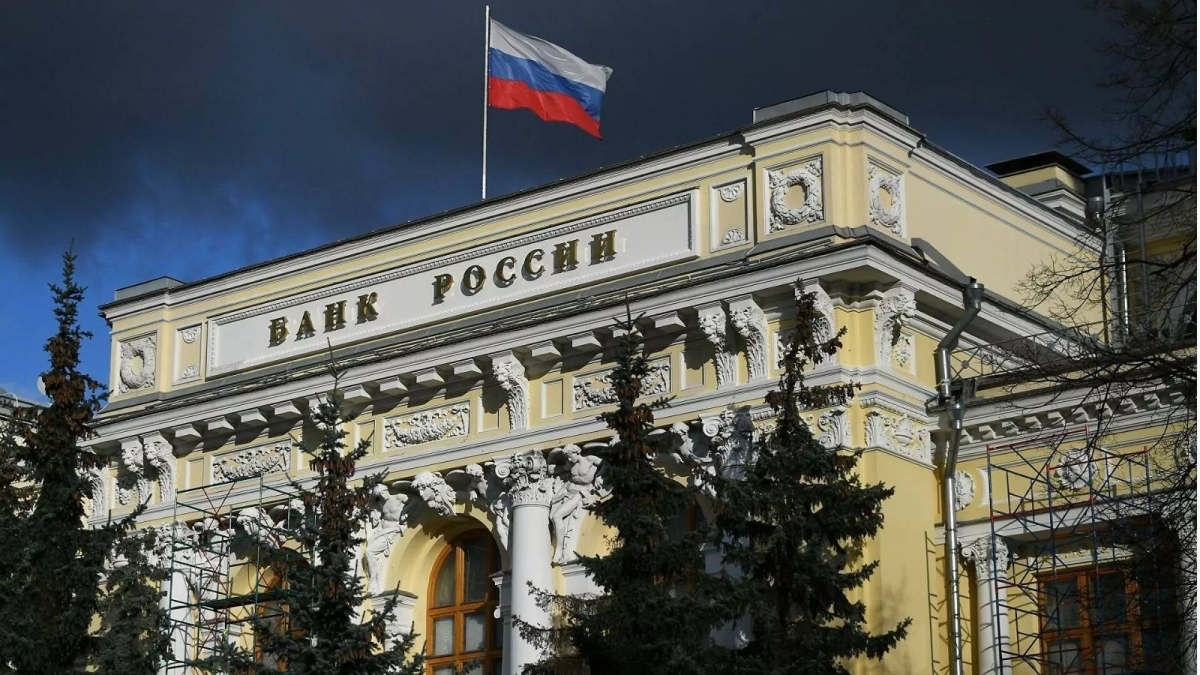
أعلن البنك المركزي الروسي اليوم (الجمعة) خفض سعر الفائدة الرئيسي بمقدار 200 نقطة أساس ليصل إلى 18%، في خطوة تتماشى مع توقعات المحللين، وذلك وسط تباطؤ وتيرة التضخم وزيادة الضغوط من المسؤولين وقطاع الأعمال لدعم الاقتصاد وتجنب الركود.
ويأتي قرار البنك المركزي الروسي كجزء من جهود البنك لتحفيز الإقراض وتعزيز النمو الاقتصادي الذي يتوقع أن يتباطأ بشكل حاد هذا العام، وذلك بعدما شهد الاقتصاد الروسي خلال السنوات الأخيرة تحديات كبيرة، حيث أدت العقوبات الدولية المرتبطة بالحرب في أوكرانيا، إلى جانب ارتفاع الإنفاق الحكومي خاصة في القطاع العسكري، إلى ضغوط تضخمية قوية.
وفي أكتوبر 2024، رفع البنك المركزي سعر الفائدة إلى 21%، وهو أعلى مستوى منذ عام 2003، لمواجهة التضخم الذي بلغ 8.4% آنذاك، ومع ذلك، أظهرت البيانات الأخيرة تباطؤ التضخم، حيث سجل مؤشر أسعار المستهلكين انخفاضاً أسبوعياً بنسبة 0.05%، وهي المرة الأولى التي يسجل فيها التضخم الأسبوعي انخفاضاً منذ سبتمبر 2024، كما تباطأ التضخم السنوي إلى 9.17% من ذروته عند 10.3% في مارس 2025.
وواجه البنك المركزي ضغوطاً متزايدة من قادة الأعمال، بمن فيهم رؤساء كبرى الشركات النفطية والدفاعية، الذين اشتكوا من أن أسعار الفائدة المرتفعة تعيق الاستثمار، ورغم دعم الرئيس فلاديمير بوتين سياسة البنك المركزي، إلا أنه حذر من «تبريد» الاقتصاد بشكل مفرط. وفي يونيو 2025، خفض البنك سعر الفائدة لأول مرة منذ سبتمبر 2022 بمقدار 100 نقطة أساس إلى 20%، مشيراً إلى تراجع الضغوط التضخمية.
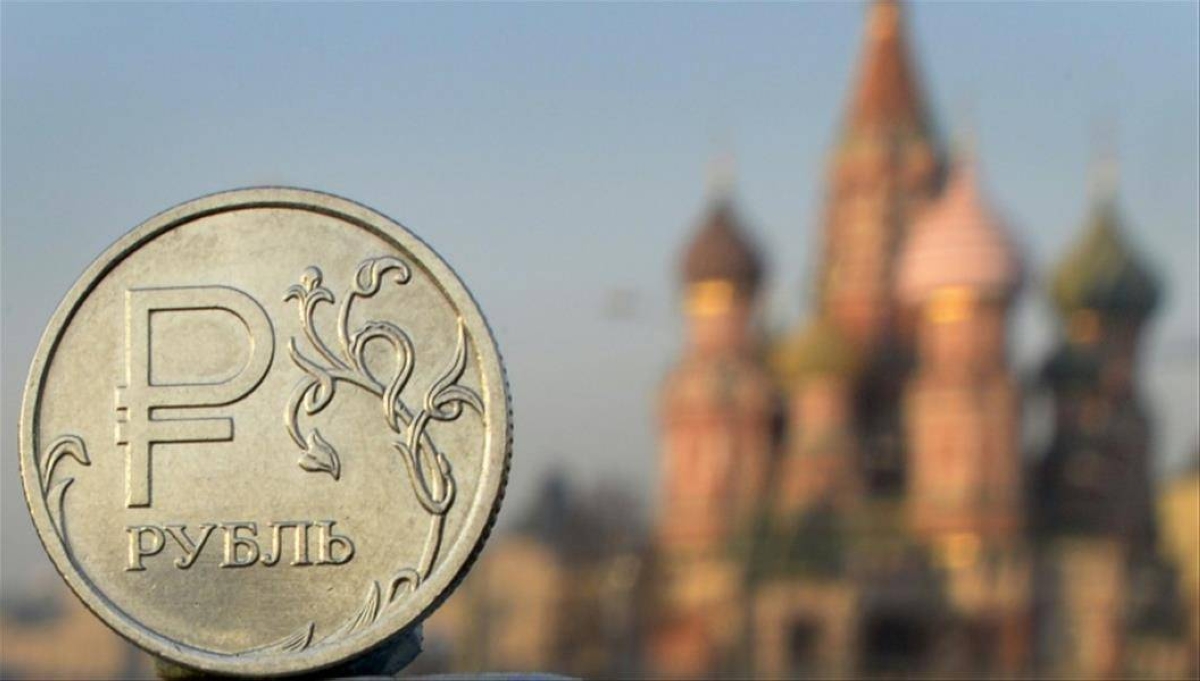
وتزامن قرار اليوم مع تعديل توقعات التضخم لعام 2025 إلى نطاق 6-7%، انخفاضاً من 7-8%، ما يعكس تفاؤل البنك باستمرار تباطؤ التضخم، ومع ذلك، أكد البنك أن السياسة النقدية ستبقى مشددة لضمان عودة التضخم إلى الهدف البالغ 4% بحلول عام 2026، مما أثر أيضاً على الروبل، الذي شهد ارتفاعاً بنسبة 45% مقابل الدولار الأمريكي في وقت سابق هذا العام، لكنه بدأ في التراجع ليصل إلى مستوى 80 روبلاً مقابل الدولار اليوم.
The Central Bank of Russia announced today (Friday) a reduction in the key interest rate by 200 basis points to 18%, a move that aligns with analysts' expectations, amid a slowdown in the pace of inflation and increasing pressure from officials and the business sector to support the economy and avoid recession.
The decision by the Central Bank of Russia is part of the bank's efforts to stimulate lending and boost economic growth, which is expected to slow sharply this year, following significant challenges faced by the Russian economy in recent years. International sanctions related to the war in Ukraine, along with increased government spending, especially in the military sector, have led to strong inflationary pressures.
In October 2024, the Central Bank raised the interest rate to 21%, the highest level since 2003, to combat inflation, which had reached 8.4% at that time. However, recent data showed a slowdown in inflation, with the Consumer Price Index recording a weekly decline of 0.05%, marking the first time weekly inflation has decreased since September 2024. Additionally, annual inflation slowed to 9.17% from its peak of 10.3% in March 2025.
The Central Bank faced increasing pressure from business leaders, including heads of major oil and defense companies, who complained that high interest rates hinder investment. Despite President Vladimir Putin's support for the Central Bank's policy, he warned against "overcooling" the economy. In June 2025, the bank cut the interest rate for the first time since September 2022 by 100 basis points to 20%, indicating a decline in inflationary pressures.
Today's decision coincided with a revision of inflation forecasts for 2025 to a range of 6-7%, down from 7-8%, reflecting the bank's optimism about the continued slowdown in inflation. However, the bank emphasized that monetary policy will remain tight to ensure inflation returns to the target of 4% by 2026, which also affected the ruble, which saw a 45% rise against the US dollar earlier this year but has started to decline, reaching 80 rubles per dollar today.