


أظهر تقرير حديث، ضرورة إعادة تقييم علاوة المخاطر الجيوسياسية لأسعار الخام العالمي، مع احتمال انضمام الولايات المتحدة إلى إسرائيل في قصف إيران.
ووفقاً لمسح أجرته «بلومبيرغ» للمحللين والمتداولين، قُدّرت العلاوة على عقود خام «برنت» بنحو 8 دولارات للبرميل منذ أن بدأت إسرائيل وإيران مهاجمة بعضهما البعض الأسبوع الماضي.
وقال المشاركون في المسح الذي نُشرت نتائجه اليوم (الخميس): «إن التدخل الأمريكي في الصراع سيعزز هذه العلاوة، لكن مقدار الزيادة سيعتمد على طبيعة التدخل».
وذكرت تقارير في وقت سابق من صباح اليوم، أن الرئيس دونالد ترمب وافق بالفعل على خطط الهجوم على إيران لكنه أرجأ التنفيذ، وأن كبار المسؤولين في الولايات المتحدة يستعدون بالفعل لضربة محتملة خلال أيام قليلة.
وحذّر الرئيس التنفيذي لشركة «شل» وائل صوان من أن أي إغلاق محتمل لنقطة الاختناق الرئيسية في الخليج العربي قد يتسبب بصدمة كبيرة، وأن شركة النفط لديها خطط طوارئ لذلك.
فيما قال المحلل لدى «باركليز» أماربريت سينغ: «نعتقد أن أسوأ الاحتمالات لم تُحتسب بعد، وفي أسوأ سيناريو، وهو اندلاع حرب أوسع نطاقاً، نتوقع أن تتجاوز الأسعار 100 دولار للبرميل».
وأكد بنك «جولدمان ساكس» في بيان أصدره اليوم (الخميس)، أنه يقدر حالياً علاوة المخاطر بنحو 10 دولارات للبرميل في السوق، وأن الطاقة الإنتاجية الاحتياطية العالمية العالية يمكن أن تخفف من أي ارتفاع الأسعار.
علاوة المخاطر في سوق النفط تواصل الارتفاع
19 يونيو 2025 - 19:42
|
آخر تحديث 19 يونيو 2025 - 19:42
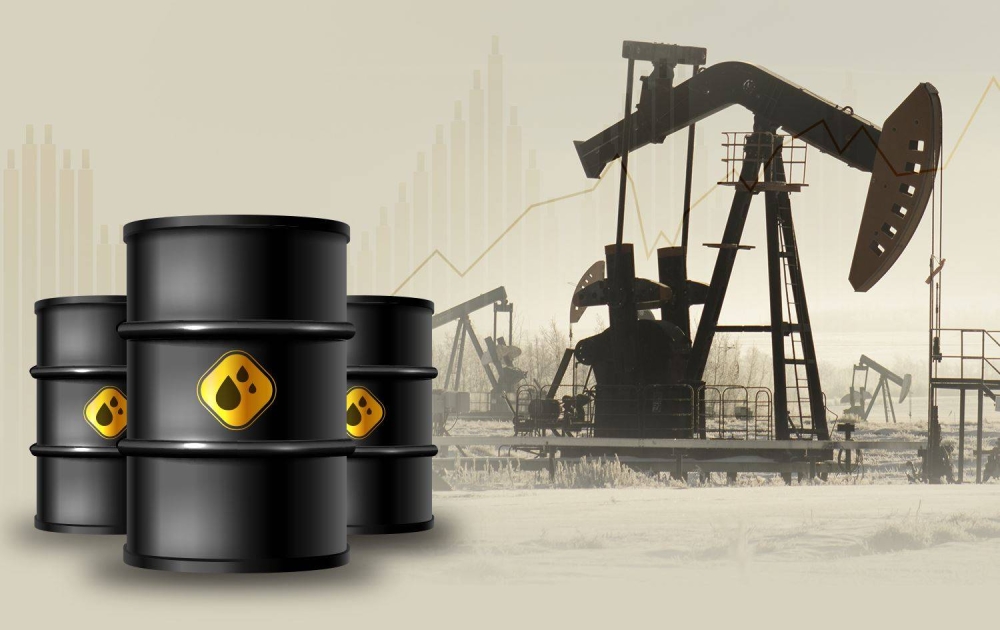
التقديرات تشير أن علاوة المخاطر ترفع النفط الخام 8 دولارات للبرميل (متداولة)


تابع قناة عكاظ على الواتساب
«عكاظ» (جدة) @okaz_online
A recent report has highlighted the need to reassess the geopolitical risk premium for global crude prices, with the possibility of the United States joining Israel in bombing Iran.
According to a survey conducted by "Bloomberg" among analysts and traders, the premium on Brent crude contracts was estimated at around $8 per barrel since Israel and Iran began attacking each other last week.
Participants in the survey, the results of which were published today (Thursday), stated: "U.S. intervention in the conflict will enhance this premium, but the extent of the increase will depend on the nature of the intervention."
Earlier reports this morning indicated that President Donald Trump has already approved plans for an attack on Iran but postponed implementation, and that senior U.S. officials are already preparing for a potential strike within a few days.
Shell's CEO, Wael Sawan, warned that any potential closure of the main chokepoint in the Arabian Gulf could cause a significant shock, and that the oil company has contingency plans for that.
Meanwhile, Barclays analyst Amardeep Singh stated: "We believe that the worst-case scenarios have not yet been factored in, and in the worst-case scenario, which is the outbreak of a broader war, we expect prices to exceed $100 per barrel."
Goldman Sachs confirmed in a statement issued today (Thursday) that it currently estimates the risk premium at about $10 per barrel in the market, and that high global spare production capacity could mitigate any price increases.
According to a survey conducted by "Bloomberg" among analysts and traders, the premium on Brent crude contracts was estimated at around $8 per barrel since Israel and Iran began attacking each other last week.
Participants in the survey, the results of which were published today (Thursday), stated: "U.S. intervention in the conflict will enhance this premium, but the extent of the increase will depend on the nature of the intervention."
Earlier reports this morning indicated that President Donald Trump has already approved plans for an attack on Iran but postponed implementation, and that senior U.S. officials are already preparing for a potential strike within a few days.
Shell's CEO, Wael Sawan, warned that any potential closure of the main chokepoint in the Arabian Gulf could cause a significant shock, and that the oil company has contingency plans for that.
Meanwhile, Barclays analyst Amardeep Singh stated: "We believe that the worst-case scenarios have not yet been factored in, and in the worst-case scenario, which is the outbreak of a broader war, we expect prices to exceed $100 per barrel."
Goldman Sachs confirmed in a statement issued today (Thursday) that it currently estimates the risk premium at about $10 per barrel in the market, and that high global spare production capacity could mitigate any price increases.


