


كشف وزير المالية السعودي محمد الجدعان أن السعودية تستهدف إنتاج 50% من الكهرباء عبر الطاقة المتجددة بحلول عام 2030، والوصول إلى صافي انبعاثات صفري بحلول 2060، ضمن نموذج الاقتصاد الدائري للكربون.
وأكد أن السعودية تعمل مع الجميع لتعزيز أمن الطاقة، والتصدي لتغير المناخ، وأن تعاون جميع الدول في تعزيز أمن الطاقة هو السبيل الأمثل لتحقيق تنمية عادلة ومستدامة يستفيد منها الجميع.
وشدد خلال كلمته في مؤتمر «صندوق أوبك للتنمية 2025»، أن أمن الطاقة ركيزة أساسية للتنمية، وغيابه يعني تعطل قطاعات أساسية كالرعاية الصحية، والتعليم، والإنتاجية، والاستدامة البيئية، والأمن الغذائي.
وأضاف الجدعان قائلًا: «مع تصاعد التوترات الجيوسياسية، وتقلبات الأسواق، يجعل السعي لطاقة آمنة ومتنوعة أكثر إلحاحا، ويتطلب ذلك تحركاً إستراتيجياً لتنويع مصادر الطاقة، وزيادة الاستثمارات في التقنيات النظيفة، وحلول تمويل مبتكرة لتعزيز أمن الطاقة».
وبين أن الإصلاحات الاقتصادية التي تتبناها الدول لتحقيق الازدهار ومواجهة التحديات التنموية، ترتكز بالضرورة على تأمين الاحتياجات الأساسية، وفي مقدمتها التصدي لتحدي فقر الطاقة الذي يواجه 1.2 مليار شخص حول العالم، وفقا لما نقلته «العربية».
وحدّد وزير المالية السعودي، 4 محاور لمواجهة هذه التحديات، لا بد من تحرّك بنوك التنمية بشكل فعّال من خلالها، تتمثل في «المحور الأول ضرورة دعم بنوك التنمية لجميع مصادر الطاقة دون تحيز، والتحذير من تبني سياسات غير واقعية لتخفيض الانبعاثات، من خلال إقصاء مصادر رئيسية للطاقة، مما يؤدي لتحديات في أسواق الطاقة، أما المحور الثاني فيشدد على ضرورة توفير التمويل الميسر من بنوك التنمية، لتسريع تلبية احتياجات المناطق التي تعاني نقص الوصول الى الطاقة، ويشمل المحور الثالث خفض مخاطر الاستثمار في قطاع الطاقة، لتحفيز مشاركة القطاع الخاص».
وكان المحور الثالث الذي اقترحه الجدعان، يشير إلى إمكانية تحقيقه من خلال مجموعة من الأدوات، من بينها الضمانات الجزئية للمخاطر، والتأمين ضد المخاطر السياسية، وهياكل التمويل المختلط.
واعتبر الجدعان، زيادة الاستثمار في التقنيات الناشئة في قطاع الطاقة، مثل تقنيات احتجاز الكربون واستخدامه وتخزينه، وتطوير استخدامات المواد الهيدروكربونية الأكثر استدامة، بما يساهم في معالجة الانبعاثات الكربونية وضمان أمن الطاقة أثناء التحول نحو الحياد الصفري، الركيزة الأساسية للمحور الرابع.
** تحديات الطاقة:
- دعم بنوك التنمية لمصادر الطاقة
- توفير تمويل ميسر من بنوك الطاقة
- ضمانات جزئية للمخاطر
- ضمان أمن الطاقة
بحلول عام 2030.. و4 محاور لمواجهة التحديات
الجدعان: نستهدف إنتاج 50% من الكهرباء عبر الطاقة المتجددة
17 يونيو 2025 - 15:09
|
آخر تحديث 17 يونيو 2025 - 15:09
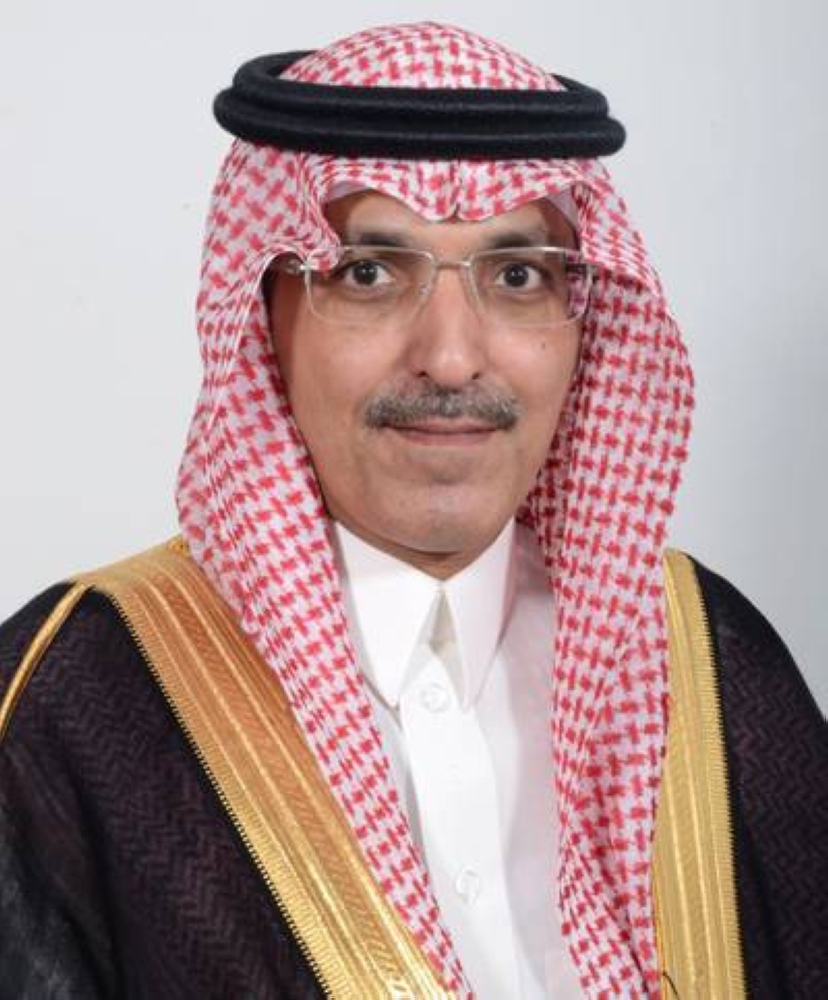
محمد الجدعان


تابع قناة عكاظ على الواتساب
«عكاظ» (فيينا) okaz_online@
Saudi Finance Minister Mohammed Al-Jadaan revealed that Saudi Arabia aims to produce 50% of its electricity from renewable energy by 2030 and achieve net-zero emissions by 2060, as part of the circular carbon economy model.
He emphasized that Saudi Arabia is working with everyone to enhance energy security and address climate change, and that cooperation among all countries to strengthen energy security is the best way to achieve fair and sustainable development that benefits everyone.
During his speech at the "OPEC Fund for International Development 2025" conference, he stressed that energy security is a fundamental pillar of development, and its absence means disruption of essential sectors such as healthcare, education, productivity, environmental sustainability, and food security.
Al-Jadaan added: "With the escalation of geopolitical tensions and market fluctuations, the pursuit of secure and diverse energy becomes more urgent, requiring a strategic move to diversify energy sources, increase investments in clean technologies, and innovative financing solutions to enhance energy security."
He indicated that the economic reforms adopted by countries to achieve prosperity and address developmental challenges necessarily focus on securing basic needs, foremost of which is addressing the energy poverty challenge faced by 1.2 billion people worldwide, according to what was reported by "Al Arabiya."
The Saudi Finance Minister outlined four key areas to address these challenges, through which development banks must act effectively. The first area emphasizes the need for development banks to support all energy sources without bias and warns against adopting unrealistic policies to reduce emissions by excluding major energy sources, which leads to challenges in energy markets. The second area stresses the necessity of providing concessional financing from development banks to accelerate meeting the needs of regions suffering from energy access shortages. The third area involves reducing investment risks in the energy sector to stimulate private sector participation.
The third area proposed by Al-Jadaan refers to achieving this through a range of tools, including partial risk guarantees, political risk insurance, and blended financing structures.
Al-Jadaan considered that increasing investment in emerging technologies in the energy sector, such as carbon capture, utilization, and storage technologies, and developing more sustainable uses of hydrocarbon materials, contributes to addressing carbon emissions and ensuring energy security during the transition to net-zero, which is the fundamental pillar of the fourth area.
** Energy Challenges:
- Support from development banks for energy sources
- Providing concessional financing from energy banks
- Partial risk guarantees
- Ensuring energy security
He emphasized that Saudi Arabia is working with everyone to enhance energy security and address climate change, and that cooperation among all countries to strengthen energy security is the best way to achieve fair and sustainable development that benefits everyone.
During his speech at the "OPEC Fund for International Development 2025" conference, he stressed that energy security is a fundamental pillar of development, and its absence means disruption of essential sectors such as healthcare, education, productivity, environmental sustainability, and food security.
Al-Jadaan added: "With the escalation of geopolitical tensions and market fluctuations, the pursuit of secure and diverse energy becomes more urgent, requiring a strategic move to diversify energy sources, increase investments in clean technologies, and innovative financing solutions to enhance energy security."
He indicated that the economic reforms adopted by countries to achieve prosperity and address developmental challenges necessarily focus on securing basic needs, foremost of which is addressing the energy poverty challenge faced by 1.2 billion people worldwide, according to what was reported by "Al Arabiya."
The Saudi Finance Minister outlined four key areas to address these challenges, through which development banks must act effectively. The first area emphasizes the need for development banks to support all energy sources without bias and warns against adopting unrealistic policies to reduce emissions by excluding major energy sources, which leads to challenges in energy markets. The second area stresses the necessity of providing concessional financing from development banks to accelerate meeting the needs of regions suffering from energy access shortages. The third area involves reducing investment risks in the energy sector to stimulate private sector participation.
The third area proposed by Al-Jadaan refers to achieving this through a range of tools, including partial risk guarantees, political risk insurance, and blended financing structures.
Al-Jadaan considered that increasing investment in emerging technologies in the energy sector, such as carbon capture, utilization, and storage technologies, and developing more sustainable uses of hydrocarbon materials, contributes to addressing carbon emissions and ensuring energy security during the transition to net-zero, which is the fundamental pillar of the fourth area.
** Energy Challenges:
- Support from development banks for energy sources
- Providing concessional financing from energy banks
- Partial risk guarantees
- Ensuring energy security





