


أكد رئيس أرامكو السعودية كبير إدارييها التنفيذيين المهندس أمين الناصر أن التحول في قطاع الطاقة لا يمكن أن يتم بمعزل عن الواقع الاقتصادي والتقني والاجتماعي، مشدداً على أهمية تبني نهج براغماتي وواقعي عند رسم ملامح مستقبل الطاقة، خصوصاً في قارة آسيا، التي تمثل نصف الطلب العالمي تقريباً.
وقال الناصر في كلمته خلال مؤتمر آسيا للطاقة 2025: «لقد تبين أن خطة التحول في قطاع الطاقة قد تمت المبالغة في تقديرها، ولم تُنفذ بالشكل المطلوب في كثير من أنحاء العالم، خصوصاً في آسيا. البعض ظن أن التحول سيكون سريعاً ومباشراً وسينتهي بزوال مصادر الطاقة التقليدية، لكن الواقع يثبت العكس، إذ لا يزال الطلب على النفط يتجاوز 100 مليون برميل يومياً دون أي مؤشر على تراجعه».
وأضاف: «رغم الأهمية المتزايدة لمصادر الطاقة المتجددة، فإنها لا تزال غير كافية من حيث الاعتمادية لتحمل الأعباء والمخاطر، لذا بات من الضروري التركيز على تحقيق أمن الطاقة وتوفيرها بأسعار معقولة إلى جانب الاستدامة».
وتابع قائلاً: «قارة آسيا بصفتها أكبر مستهلك للطاقة عالمياً ومحركاً رئيسياً للنمو الاقتصادي، لا يمكن تجاهل احتياجاتها ومواردها، ولا يوجد مصدر طاقة واحد قادر على تلبية هذه الاحتياجات، وطاقة الرياح والطاقة الشمسية والمركبات الكهربائية لا تلبي حتى الآن متطلبات الطلب الحالي أو المستقبلي، ما يجعل النفط الخام والغاز عنصرين أساسيين في مزيج الطاقة الحالي والمستقبلي».
وأشار أن التحديات الراهنة كشفت «عيوباً تقنية واقتصادية وسياسية واجتماعية عميقة» في الرواية السائدة حول تحول الطاقة، مؤكداً أن هذا التحول مكلف للغاية، وقد تصل تكلفة الوصول إلى الحياد الصفري للانبعاثات إلى نحو 200 تريليون دولار.
وأكد الناصر أن الهدف طويل الأمد ليس الاستغناء عن مصادر الطاقة التقليدية، بل تحسين كفاءتها بالتوازي مع التوسع الواقعي في الحلول الجديدة، مشدداً على أن «كل دولة يجب أن تعتمد إستراتيجية مرنة تتوافق مع وضعها الخاص وقدراتها، مع إدراك أن التحول لن يكون سلساً في عالم مضطرب ومتقلب».
واختتم كلمته بالقول: «وقائع التاريخ تؤكد أن مصادر الطاقة الجديدة لا تلغي التقليدية بل تضاف إليها، ونحن بحاجة إلى تعاون أكبر بين الحكومات وقطاع الطاقة والمبتكرين، وعلينا أن نُسمِع صوت آسيا في تحول الطاقة العالمي، وأن نعمل معاً من أجل مستقبل طاقة آمن، مستدام، وبأسعار معقولة».
** تصريحات الناصر في كلمة مؤتمر آسيا للطاقة:
- المبالغة في خطة تحول الطاقة
- 100 مليون برميل الطلب على النفط
- الطاقة المتجددة غير كافية
- عيوب تقنية في تحول الطاقة
أرامكو تؤكد: النفط والغاز سيظلان ركيزتين أساسيتين مستقبلاً
16 يونيو 2025 - 15:58
|
آخر تحديث 16 يونيو 2025 - 15:58
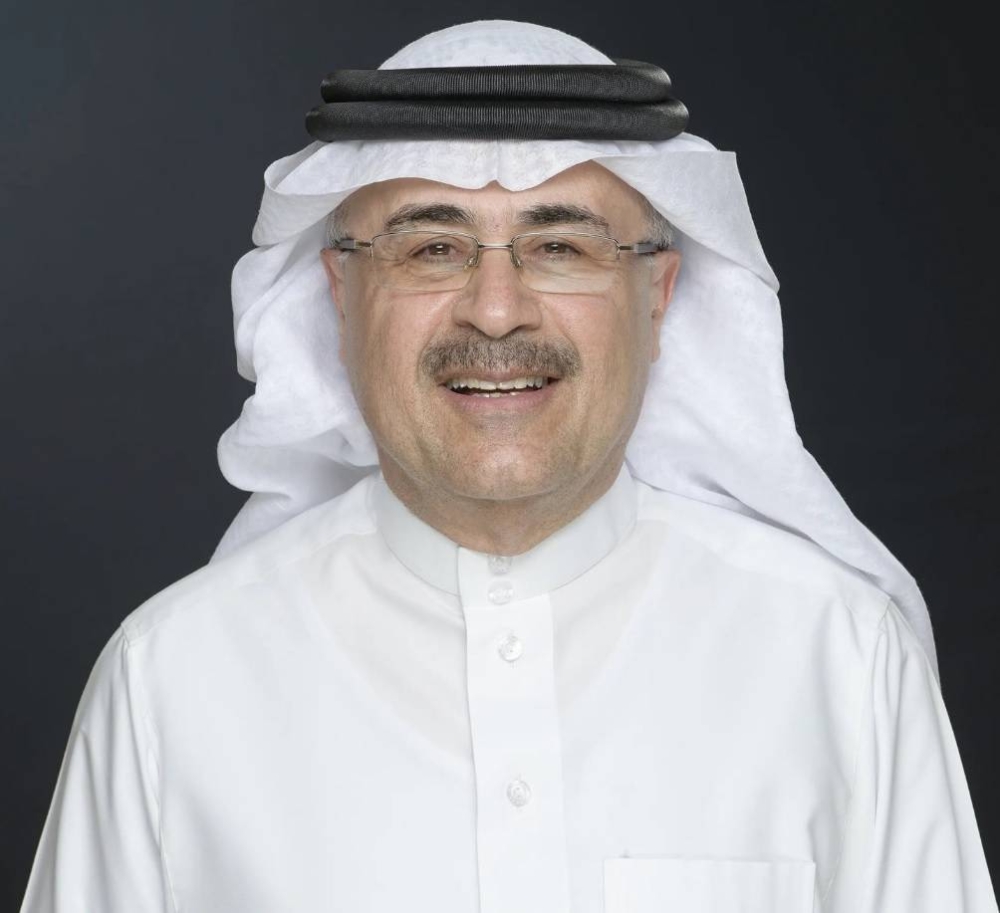
أمين الناصر.


تابع قناة عكاظ على الواتساب
«عكاظ» (الظهران) @okaz_online
The CEO of Saudi Aramco, Engineer Amin Nasser, confirmed that the transformation in the energy sector cannot occur in isolation from the economic, technological, and social realities, emphasizing the importance of adopting a pragmatic and realistic approach when shaping the future of energy, especially in Asia, which accounts for nearly half of global demand.
Nasser stated in his speech during the Asia Energy Conference 2025: "It has become evident that the energy transition plan has been overestimated and has not been implemented as required in many parts of the world, especially in Asia. Some thought that the transition would be quick and straightforward and would end with the disappearance of traditional energy sources, but reality proves otherwise, as demand for oil still exceeds 100 million barrels per day with no indication of decline."
He added: "Despite the increasing importance of renewable energy sources, they are still insufficient in terms of reliability to bear the burdens and risks, so it has become essential to focus on achieving energy security and providing it at reasonable prices alongside sustainability."
He continued: "Asia, as the largest energy consumer globally and a major driver of economic growth, cannot have its needs and resources ignored, and there is no single energy source capable of meeting these needs. Wind energy, solar energy, and electric vehicles do not yet meet the current or future demand requirements, making crude oil and gas essential components of the current and future energy mix."
He pointed out that the current challenges have revealed "deep technical, economic, political, and social flaws" in the prevailing narrative about the energy transition, affirming that this transition is extremely costly, with the cost of achieving net-zero emissions potentially reaching around $200 trillion.
Nasser confirmed that the long-term goal is not to eliminate traditional energy sources but to improve their efficiency in parallel with the realistic expansion of new solutions, stressing that "each country should adopt a flexible strategy that aligns with its specific situation and capabilities, recognizing that the transition will not be smooth in a turbulent and volatile world."
He concluded his speech by saying: "The facts of history confirm that new energy sources do not eliminate traditional ones but rather add to them, and we need greater cooperation between governments, the energy sector, and innovators. We must amplify Asia's voice in the global energy transition and work together for a secure, sustainable, and affordable energy future."
** Nasser's statements at the Asia Energy Conference:
- Overestimation of the energy transition plan
- 100 million barrels demand for oil
- Renewable energy is insufficient
- Technical flaws in the energy transition
Nasser stated in his speech during the Asia Energy Conference 2025: "It has become evident that the energy transition plan has been overestimated and has not been implemented as required in many parts of the world, especially in Asia. Some thought that the transition would be quick and straightforward and would end with the disappearance of traditional energy sources, but reality proves otherwise, as demand for oil still exceeds 100 million barrels per day with no indication of decline."
He added: "Despite the increasing importance of renewable energy sources, they are still insufficient in terms of reliability to bear the burdens and risks, so it has become essential to focus on achieving energy security and providing it at reasonable prices alongside sustainability."
He continued: "Asia, as the largest energy consumer globally and a major driver of economic growth, cannot have its needs and resources ignored, and there is no single energy source capable of meeting these needs. Wind energy, solar energy, and electric vehicles do not yet meet the current or future demand requirements, making crude oil and gas essential components of the current and future energy mix."
He pointed out that the current challenges have revealed "deep technical, economic, political, and social flaws" in the prevailing narrative about the energy transition, affirming that this transition is extremely costly, with the cost of achieving net-zero emissions potentially reaching around $200 trillion.
Nasser confirmed that the long-term goal is not to eliminate traditional energy sources but to improve their efficiency in parallel with the realistic expansion of new solutions, stressing that "each country should adopt a flexible strategy that aligns with its specific situation and capabilities, recognizing that the transition will not be smooth in a turbulent and volatile world."
He concluded his speech by saying: "The facts of history confirm that new energy sources do not eliminate traditional ones but rather add to them, and we need greater cooperation between governments, the energy sector, and innovators. We must amplify Asia's voice in the global energy transition and work together for a secure, sustainable, and affordable energy future."
** Nasser's statements at the Asia Energy Conference:
- Overestimation of the energy transition plan
- 100 million barrels demand for oil
- Renewable energy is insufficient
- Technical flaws in the energy transition


