


كشف وزير الطاقة الأمريكي كريس رايت أمس (الجمعة) أنه وفريقه يعملان مع مجلس الأمن القومي التابع للبيت الأبيض لمراقبة الوضع في الشرق الأوسط، وأي تأثيرات محتملة على إمدادات الطاقة العالمية.
وذكر رايت على منصة «إكس» عقب الضربات الإسرائيلية على المواقع النووية الإيرانية ورد إيران عليها بالصواريخ، أن سياسة الرئيس دونالد ترمب الرامية إلى زيادة إنتاج النفط والغاز الأمريكيين إلى أقصى حد، التي تتضمن أيضاً خفض اللوائح التنظيمية للتلوث، تعزز أمن الطاقة الأمريكي.
وقال محللون في شركة «كلير فيو إنرجي بارتنرز» في مذكرة للعملاء: «قد ترتفع أسعار البنزين في الولايات المتحدة بنحو 20 سنتاً للغالون في الأيام القادمة، وذلك خلال موسم ذروة القيادة الصيفية في الولايات المتحدة، ما يوجد ضغوطاً اقتصادية وعراقيل سياسية أمام الرئيس دونالد ترمب، الذي ركز في حملته الانتخابية على خفض تكاليف الطاقة».
وأكدت شركة «كلير فيو» أن ارتفاع الأسعار قد يدفع ترمب إلى التركيز على استغلال احتياطيات النفط الاستراتيجية، والسعي إلى زيادة الإمدادات من مجموعة «أوبك بلس»، وقد يُعقّد جهود تشديد العقوبات على روسيا، إحدى أكبر 3 دول منتجة للنفط في العالم.
ولم ترد وزارة الطاقة الأمريكية بعد على سؤال حول إمكانية استغلال احتياطي النفط الاستراتيجي الأمريكي، وهو الأكبر في العالم ويضم حالياً 402.1 مليون برميل من النفط الخام.
وقال مدير وكالة الطاقة الدولية فاتح بيرول على منصة «إكس»: «إن نظام أمن النفط التابع للوكالة، الذي يشمل احتياطي النفط الاستراتيجي الأمريكي، يحتوي على أكثر من 1.2 مليار برميل من مخزونات الطوارئ».
«الطاقة الأمريكية»: نراقب تأثيرات إمدادات الطاقة العالمية
14 يونيو 2025 - 15:49
|
آخر تحديث 14 يونيو 2025 - 16:01
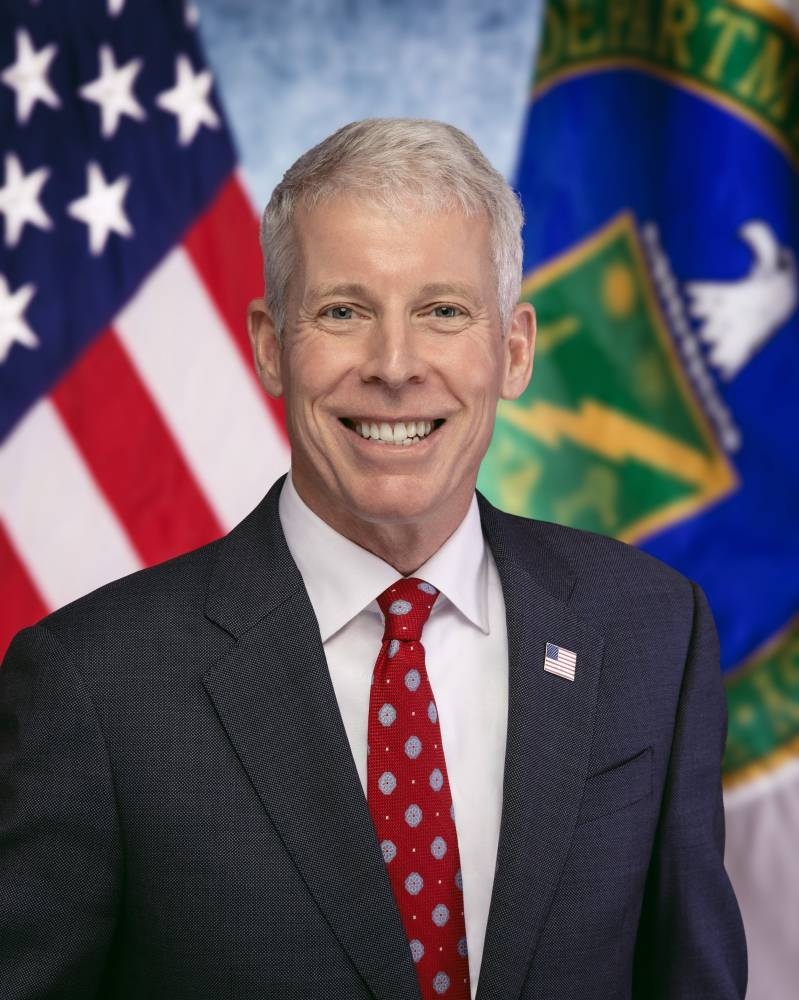
كريس رايت


تابع قناة عكاظ على الواتساب
«عكاظ» (واشنطن) okaz_online@
U.S. Energy Secretary Chris Wright revealed yesterday (Friday) that he and his team are working with the National Security Council at the White House to monitor the situation in the Middle East and any potential impacts on global energy supplies.
Wright mentioned on the platform "X" following the Israeli strikes on Iranian nuclear sites and Iran's response with missiles, that President Donald Trump's policy aimed at maximizing U.S. oil and gas production, which also includes reducing regulatory pollution, enhances U.S. energy security.
Analysts at ClearView Energy Partners stated in a client memo: "Gasoline prices in the United States may rise by about 20 cents per gallon in the coming days, during the peak summer driving season in the U.S., creating economic pressures and political hurdles for President Donald Trump, who focused on reducing energy costs in his election campaign."
ClearView confirmed that rising prices could push Trump to focus on tapping into the strategic oil reserves and seeking to increase supplies from the OPEC+ group, which could complicate efforts to tighten sanctions on Russia, one of the world's top three oil-producing countries.
The U.S. Department of Energy has not yet responded to a question regarding the possibility of tapping into the U.S. strategic oil reserve, the largest in the world, which currently holds 402.1 million barrels of crude oil.
International Energy Agency Director Fatih Birol stated on the platform "X": "The agency's oil security system, which includes the U.S. strategic oil reserve, contains more than 1.2 billion barrels of emergency stocks."
Wright mentioned on the platform "X" following the Israeli strikes on Iranian nuclear sites and Iran's response with missiles, that President Donald Trump's policy aimed at maximizing U.S. oil and gas production, which also includes reducing regulatory pollution, enhances U.S. energy security.
Analysts at ClearView Energy Partners stated in a client memo: "Gasoline prices in the United States may rise by about 20 cents per gallon in the coming days, during the peak summer driving season in the U.S., creating economic pressures and political hurdles for President Donald Trump, who focused on reducing energy costs in his election campaign."
ClearView confirmed that rising prices could push Trump to focus on tapping into the strategic oil reserves and seeking to increase supplies from the OPEC+ group, which could complicate efforts to tighten sanctions on Russia, one of the world's top three oil-producing countries.
The U.S. Department of Energy has not yet responded to a question regarding the possibility of tapping into the U.S. strategic oil reserve, the largest in the world, which currently holds 402.1 million barrels of crude oil.
International Energy Agency Director Fatih Birol stated on the platform "X": "The agency's oil security system, which includes the U.S. strategic oil reserve, contains more than 1.2 billion barrels of emergency stocks."


