


قال الأمين العام لمنظمة البلدان المصدرة للبترول (أوبك) هيثم الغيص: «إن نمو الطلب على النفط سيظل قوياً على مدى عقدين ونصف العقد مع زيادة عدد سكان العالم».
وتتوقع المنظمة زيادة 24% في احتياجات العالم من الطاقة بداية من الآن وحتى عام 2050، على أن يتجاوز الطلب على النفط 120 مليون برميل يومياً خلال تلك الفترة.
وتتماشى هذه التقديرات مع توقعات النفط العالمية لعام 2024 الصادرة عن أوبك.
وذكر الغيص خلال مشاركته في معرض الطاقة العالمي في كالجاري بإقليم ألبرتا الكندي أمس الأول (الثلاثاء): «لا توجد ذروة في الطلب على النفط تلوح في الأفق». وقال: «إن الإجراءات التي اتخذها قطاع النفط الكندي لزيادة الإنتاج في السنوات القليلة الماضية أثارت إعجاب أوبك».
وحققت كندا إنتاجاً قياسياً من الخام في عام 2024، إذ أدى استكمال توسعة خط أنابيب ترانس ماونتن إلى تعزيز قدرة شركات النفط على توصيل منتجاتها إلى السوق.
وتحدثت رئيسة وزراء إقليم ألبرتا دانييل سميث، أكبر منطقة منتجة للنفط في كندا، عن رغبتها في مضاعفة إنتاج الإقليم من النفط والغاز بحلول عام 2050.
وقال الغيص: «إن أوبك دأبت على التحذير من مخاطر عدم كفاية الاستثمار العالمي في النفط والغاز، بالنظر إلى توقعاتها لنمو الطلب».
وأضاف: إن أوبك رحبت بمعارضة في الآونة الأخيرة لما وصفها بالأهداف المناخية غير الواقعية، مشدداً على ضرورة خفض الانبعاثات ولكن دون التحيز ضد مصادر معينة للطاقة، وإن الحكومات والشركات يجب أن تبحث بدلاً من ذلك عن طرق لتقليل الانبعاثات من النفط والغاز من خلال تقنيات مثل احتجاز الكربون وتخزينه.
وأضاف أن عدم استثمار رأس مال كافٍ لتلبية نمو الطلب المتوقع يهدد بتقويض أمن الطاقة ويُسبب تقلبات لكل من المنتجين والمستهلكين، مضيفاً أن أوبك تعتقد أن هناك حاجة إلى 17.4 تريليون دولار من الاستثمارات في قطاع الطاقة العالمي على مدى السنوات الـ25 القادمة.
وبدأت أوبك إلغاء تخفيضات إنتاجها بوتيرة أسرع مما كان متوقعاً في البداية، إذ رفعت إنتاجها 411 ألف برميل يومياً في أشهر «مايو، ويونيو، ويوليو».
وتعرضت أسعار النفط لضغوط في الأشهر القليلة الماضية بسبب هذه الزيادات، فضلاً عن مخاوف من أن تؤدي الحرب التجارية التي يشنها الرئيس الأمريكي دونالد ترمب إلى إضعاف الاقتصاد العالمي.
«أوبك»: نمو الطلب على النفط سيستمر ولا ذروة في الأفق
11 يونيو 2025 - 17:05
|
آخر تحديث 11 يونيو 2025 - 17:06
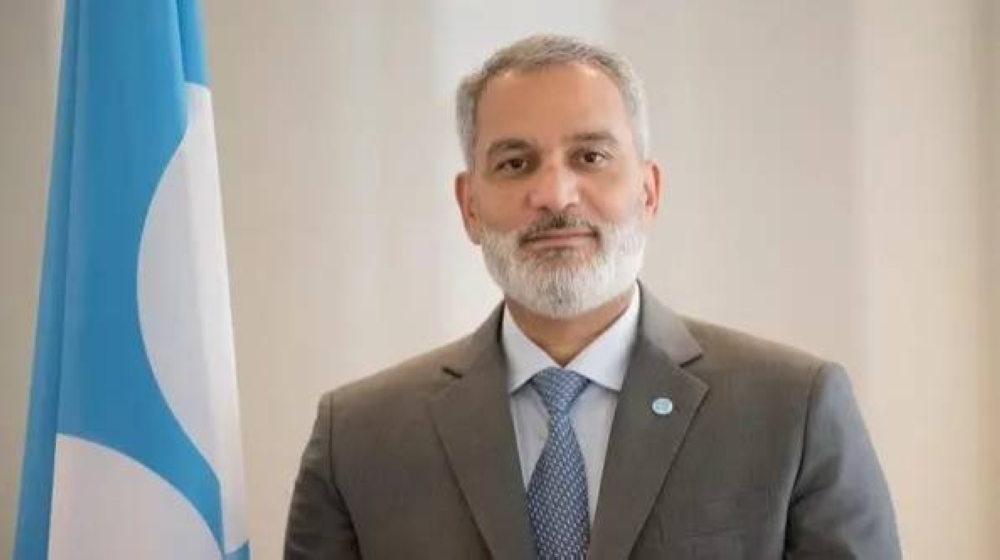
هيثم الغيص.


تابع قناة عكاظ على الواتساب
«عكاظ» (ألبرتا) @Okaz_online
The Secretary-General of the Organization of the Petroleum Exporting Countries (OPEC), Haitham Al-Ghais, said: "The growth in demand for oil will remain strong over the next two and a half decades with the increase in the world's population."
The organization expects a 24% increase in the world's energy needs starting now until 2050, with oil demand exceeding 120 million barrels per day during that period.
These estimates align with OPEC's global oil outlook for 2024.
Al-Ghais mentioned during his participation in the Global Energy Exhibition in Calgary, Alberta, Canada the day before yesterday (Tuesday): "There is no peak in oil demand on the horizon." He stated: "The actions taken by the Canadian oil sector to increase production in recent years have impressed OPEC."
Canada achieved record crude production in 2024, as the completion of the Trans Mountain pipeline expansion enhanced oil companies' ability to deliver their products to the market.
Alberta's Premier Danielle Smith, the largest oil-producing region in Canada, spoke about her desire to double the region's oil and gas production by 2050.
Al-Ghais said: "OPEC has consistently warned of the risks of insufficient global investment in oil and gas, given its forecasts for demand growth."
He added that OPEC welcomed the recent opposition to what he described as unrealistic climate goals, emphasizing the need to reduce emissions but without bias against certain energy sources, and that governments and companies should instead seek ways to reduce emissions from oil and gas through technologies such as carbon capture and storage.
He added that failing to invest enough capital to meet the expected demand growth threatens to undermine energy security and causes volatility for both producers and consumers, noting that OPEC believes there is a need for $17.4 trillion in investments in the global energy sector over the next 25 years.
OPEC has begun to unwind its production cuts at a faster pace than initially expected, raising its output by 411,000 barrels per day in the months of May, June, and July.
Oil prices have come under pressure in recent months due to these increases, as well as concerns that the trade war initiated by U.S. President Donald Trump could weaken the global economy.
The organization expects a 24% increase in the world's energy needs starting now until 2050, with oil demand exceeding 120 million barrels per day during that period.
These estimates align with OPEC's global oil outlook for 2024.
Al-Ghais mentioned during his participation in the Global Energy Exhibition in Calgary, Alberta, Canada the day before yesterday (Tuesday): "There is no peak in oil demand on the horizon." He stated: "The actions taken by the Canadian oil sector to increase production in recent years have impressed OPEC."
Canada achieved record crude production in 2024, as the completion of the Trans Mountain pipeline expansion enhanced oil companies' ability to deliver their products to the market.
Alberta's Premier Danielle Smith, the largest oil-producing region in Canada, spoke about her desire to double the region's oil and gas production by 2050.
Al-Ghais said: "OPEC has consistently warned of the risks of insufficient global investment in oil and gas, given its forecasts for demand growth."
He added that OPEC welcomed the recent opposition to what he described as unrealistic climate goals, emphasizing the need to reduce emissions but without bias against certain energy sources, and that governments and companies should instead seek ways to reduce emissions from oil and gas through technologies such as carbon capture and storage.
He added that failing to invest enough capital to meet the expected demand growth threatens to undermine energy security and causes volatility for both producers and consumers, noting that OPEC believes there is a need for $17.4 trillion in investments in the global energy sector over the next 25 years.
OPEC has begun to unwind its production cuts at a faster pace than initially expected, raising its output by 411,000 barrels per day in the months of May, June, and July.
Oil prices have come under pressure in recent months due to these increases, as well as concerns that the trade war initiated by U.S. President Donald Trump could weaken the global economy.


