


توقعت وكالة «فيتش» للتصنيف الائتماني أن تتسارع وتيرة الاندماجات في قطاع التأمين السعودي خلال العامين القادمين، مدفوعةً بالمتطلبات التنظيمية الجديدة المتعلقة برأس المال وضعف ربحية اكتتاب أقساط التأمين في ظل المنافسة الشديدة على الأسعار.
وأكدت الوكالة في تقرير لها، أن بعض شركات التأمين الصغيرة قد تواجه صعوبةً في تلبية هذه المتطلبات أو الحفاظ على ربحيتها، وقد تندمج مع شركات تأمين أكبر أو تستحوذ عليها نتيجة لذلك.
وأضافت أن شركات التأمين تخضع لتدقيق تنظيمي متزايد منذ أن تولت هيئة التأمين مسؤولية الإشراف على قطاع التأمين من البنك المركزي السعودي ومجلس الضمان الصحي في عام 2023، مبينة أن الهيئة تخطط لتطبيق نظام رأس مال قائم على المخاطر في عام 2027 للمساعدة في تعزيز الميزانيات العمومية لشركات التأمين، كما تركز على تحسين انضباط الاكتتاب وتعزيز متطلبات التقارير التنظيمية.
وذكرت أن هذه الإجراءات ستكون إيجابية ائتمانياً للقطاع على المدى الطويل، إلا أنها ستزيد من تكاليف الامتثال التنظيمي لشركات التأمين، خصوصاً أثناء التنفيذ، مما سيزيد الضغط على الربحية على المدى القصير، متوقعة أن تتأثر شركات التأمين الأصغر حجماً بشكل أكبر بزيادة متطلبات رأس المال وتكاليف الامتثال نظراً لانخفاض وفورات الحجم لديها.
وأشارت إلى أن بعض شركات التأمين الكبيرة، مثل التعاونية وبوبا العربية تهيمنان على السوق السعودية، إذ بلغت حصتهما السوقية مجتمعة 52% في عام 2024.
«فيتش»: نتوقع تسارع الاندماجات في قطاع التأمين السعودي
10 يونيو 2025 - 15:11
|
آخر تحديث 10 يونيو 2025 - 16:00
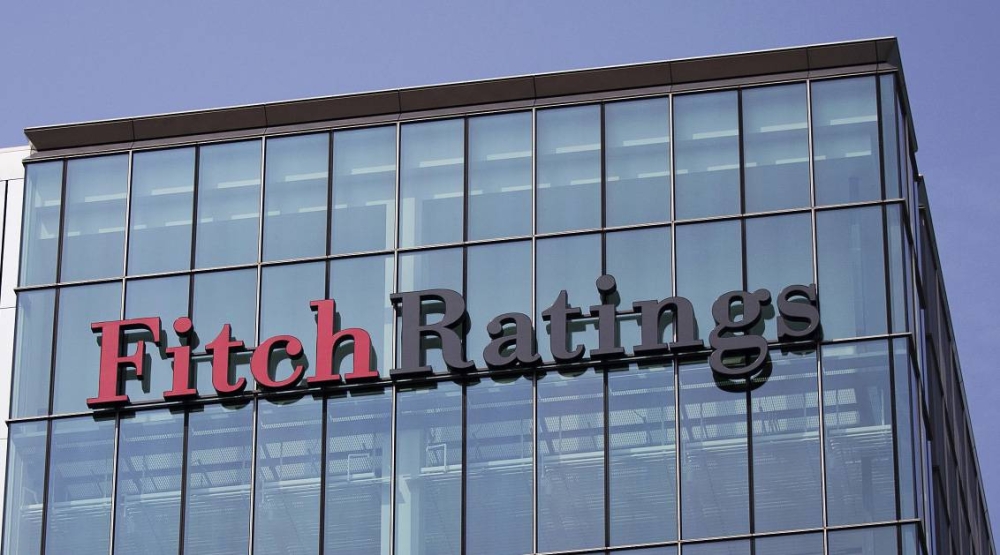
فيتش توقعت أن تواجه شركات التأمين الصغيرة صعوبة في تلبية المتطلبات (متداولة)


تابع قناة عكاظ على الواتساب
«عكاظ» (جدة) @okaz_online
Fitch Ratings expects the pace of mergers in the Saudi insurance sector to accelerate over the next two years, driven by new regulatory capital requirements and weak underwriting profitability amid intense price competition.
The agency confirmed in a report that some small insurance companies may struggle to meet these requirements or maintain their profitability, and may merge with larger insurance companies or be acquired as a result.
It added that insurance companies have been subject to increased regulatory scrutiny since the Insurance Authority took over the oversight of the insurance sector from the Saudi Central Bank and the Health Insurance Council in 2023, indicating that the authority plans to implement a risk-based capital system in 2027 to help strengthen the balance sheets of insurance companies, while also focusing on improving underwriting discipline and enhancing regulatory reporting requirements.
It noted that these measures will be credit-positive for the sector in the long term, but will increase the regulatory compliance costs for insurance companies, especially during the implementation phase, which will increase pressure on profitability in the short term, expecting that smaller insurance companies will be more affected by the rise in capital requirements and compliance costs due to their lower economies of scale.
It pointed out that some large insurance companies, such as Tawuniya and Bupa Arabia, dominate the Saudi market, with their combined market share reaching 52% in 2024.
The agency confirmed in a report that some small insurance companies may struggle to meet these requirements or maintain their profitability, and may merge with larger insurance companies or be acquired as a result.
It added that insurance companies have been subject to increased regulatory scrutiny since the Insurance Authority took over the oversight of the insurance sector from the Saudi Central Bank and the Health Insurance Council in 2023, indicating that the authority plans to implement a risk-based capital system in 2027 to help strengthen the balance sheets of insurance companies, while also focusing on improving underwriting discipline and enhancing regulatory reporting requirements.
It noted that these measures will be credit-positive for the sector in the long term, but will increase the regulatory compliance costs for insurance companies, especially during the implementation phase, which will increase pressure on profitability in the short term, expecting that smaller insurance companies will be more affected by the rise in capital requirements and compliance costs due to their lower economies of scale.
It pointed out that some large insurance companies, such as Tawuniya and Bupa Arabia, dominate the Saudi market, with their combined market share reaching 52% in 2024.


