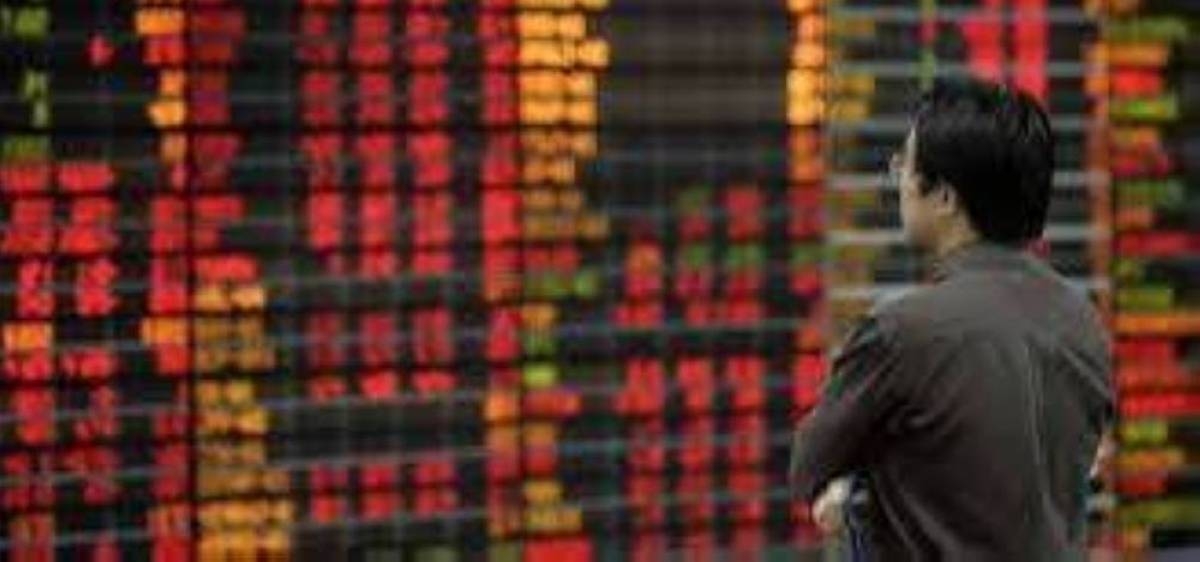
واصلت معظم أسواق الأسهم الآسيوية مكاسبها في التعاملات، مدعومة بترقب واسع لقرار مجلس الاحتياطي الفيدرالي الأمريكي بخفض أسعار الفائدة هذا الأسبوع.
وسجلت المؤشرات في اليابان وكوريا الجنوبية مستويات قياسية جديدة، في حين تراجعت الأسهم الصينية بعد ارتفاع قوي في الفترة الأخيرة.
وارتفع مؤشر نيكي 225 الياباني بنسبة 0.6% ليغلق عند مستوى قياسي بلغ 45,055.38 نقطة، بدعم من أسهم التكنولوجيا والصناعة، فيما صعد مؤشر توبكس الأوسع نطاقًا بنسبة 0.5% إلى مستوى قياسي جديد عند 3,177.20 نقطة.
وفي كوريا الجنوبية، قفز مؤشر كوسبي بنسبة 1.3% إلى 3,452.50 نقطة، مدعومًا بمكاسب حادة لأسهم شركات الرقائق الكبرى مثل «سامسونج إلكترونيكس» و«إس كيه هاينكس».
أداء إيجابي
وفي أسواق أخرى بالمنطقة، ارتفع مؤشر S&P/ASX 200 الأسترالي بنسبة 0.2%، بينما استقر مؤشر ستريتس تايمز في سنغافورة دون تغيير يذكر. كما صعد مؤشر نيفتي 50 الهندي بنسبة 0.2% عند الافتتاح.
وجاء الأداء الإيجابي للأسهم الآسيوية في أعقاب إغلاقات قياسية لمؤشري S&P 500 وناسداك في وول ستريت، فيما استقرت العقود الآجلة للأسهم الأمريكية دون تغيير يذكر في التداولات الآسيوية المبكرة.
Most Asian stock markets continued their gains in trading, supported by widespread anticipation of the U.S. Federal Reserve's decision to cut interest rates this week.
The indices in Japan and South Korea recorded new all-time highs, while Chinese stocks declined after a strong recent rally.
The Japanese Nikkei 225 index rose by 0.6% to close at a record level of 45,055.38 points, supported by technology and industrial stocks, while the broader Topix index climbed by 0.5% to a new record of 3,177.20 points.
In South Korea, the Kospi index jumped by 1.3% to 3,452.50 points, bolstered by sharp gains in major chipmaker stocks such as Samsung Electronics and SK Hynix.
Positive Performance
In other markets in the region, the Australian S&P/ASX 200 index rose by 0.2%, while the Straits Times Index in Singapore remained virtually unchanged. The Indian Nifty 50 index also increased by 0.2% at the opening.
The positive performance of Asian stocks followed record closings for the S&P 500 and Nasdaq indices on Wall Street, while U.S. stock futures remained largely unchanged in early Asian trading.