يواصل الاتحاد الأوروبي تصعيد الضغوط الاقتصادية على روسيا مع إعداد الحزمة 19 من العقوبات، في ظل تنسيق وثيق مع الولايات المتحدة، وفقاً لما أعلنه رئيس المجلس الأوروبي أنطونيو كوستا اليوم (الإثنين).
وتأتي هذه الخطوة بعد خيبات أمل سابقة هذا العام، إذ أعاقت محادثات السلام المنفردة التي قادها الرئيس الأمريكي دونالد ترمب مع الرئيس الروسي فلاديمير بوتين التعاون بين الاتحاد الأوروبي والولايات المتحدة.
ويعبر المسؤولون الأوروبيون عن تفاؤلهم بتحسين التنسيق مع واشنطن لتعزيز فعالية العقوبات.
وتشمل الحزمة الجديدة، التي تجري صياغتها حالياً، إجراءات صارمة تهدف إلى تقويض الاقتصاد الروسي، الذي يعتمد بشكل كبير على إيرادات النفط.
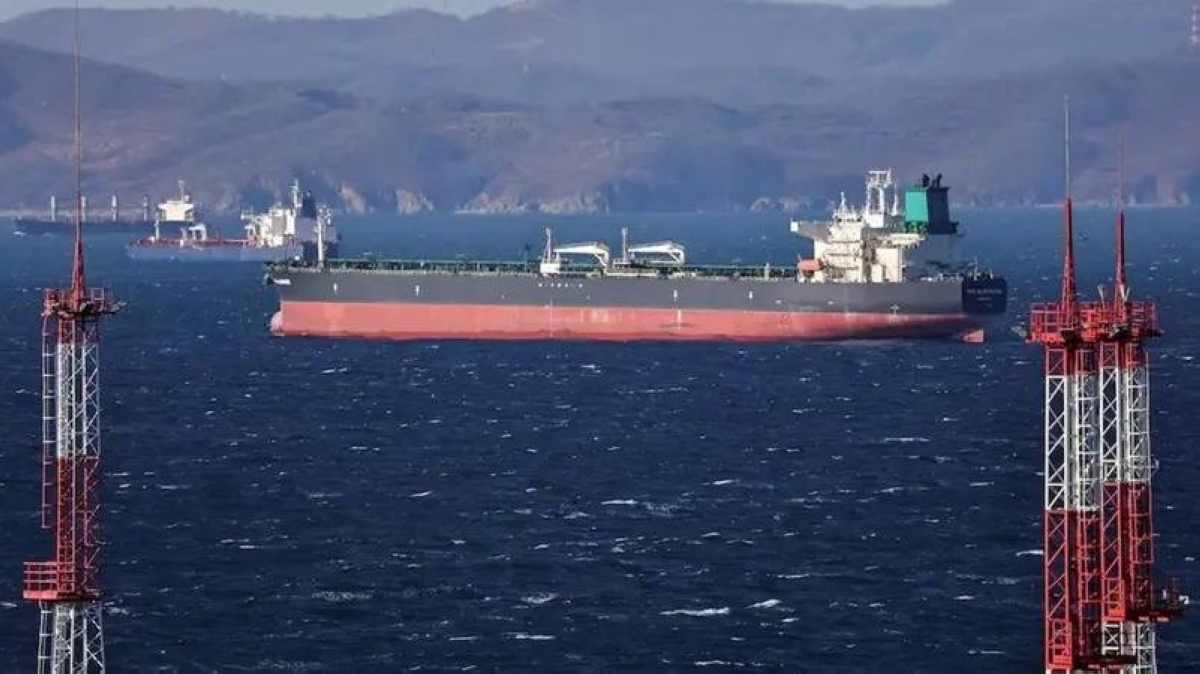
ومن المتوقع أن تتضمن قائمة موسعة من الشركات الصينية التي تُتهم بمساعدة روسيا على التهرب من العقوبات، إضافة إلى البنوك الروسية وسفن الأسطول الروسي «الظل» المستخدم لنقل النفط بطرق غير مشروعة.
كما ستشمل حظراً على المعاملات المتعلقة بالنفط الروسي، وهو قطاع يشكل نحو 40% من صادرات روسيا، إذ حققت موسكو أكثر من 900 مليار يورو من مبيعات الوقود الأحفوري منذ بدء الحرب في أوكرانيا عام 2022.
وعلى عكس الاتحاد الأوروبي وبريطانيا وكندا، لم تنضم الولايات المتحدة إلى قرار مجموعة السبع (G7) بخفض سقف سعر النفط الروسي إلى 47.60 دولار للبرميل قبل فرض العقوبات، مما يعكس تبايناً في السياسات بين الحلفاء الغربيين.
وفي سياق متصل، أعلن ترمب فرض تعريفات جمركية صارمة على الواردات الأمريكية من الهند، جزئياً، بسبب مشترياتها الكبيرة من الطاقة الروسية، مما يشير إلى نهج أمريكي منفصل للضغط على الدول التي تتعامل مع روسيا.
ووفقاً لتقرير صادر عن «رويترز»، أكد الكرملين اليوم (الإثنين)، أن أي عقوبات لن تجبر روسيا على تغيير سياستها، مشدداً على استمرارها في تحدي الضغوط الدولية.
وتأتي هذه التطورات في وقت يستعد فيه مبعوث الاتحاد الأوروبي للعقوبات ديفيد أوسوليفان لإجراء محادثات في واشنطن مع نظرائه الأمريكيين لضمان التنسيق الفعال.
وأكدت رئيسة المفوضية الأوروبية أورسولا فون دير لاين، في تصريحات سابقة في 17 أغسطس 2025، أن الاتحاد الأوروبي سيواصل الضغط الاقتصادي على روسيا طالما استمرت الحرب في أوكرانيا، مشيرة إلى أن الحزمة 19 ستُكشف في وقت مبكر من سبتمبر.
وتُعد هذه العقوبات جزءاً من إستراتيجية أوسع لتجفيف مصادر تمويل الحرب الروسية، مع التركيز على تقليص إيرادات النفط التي تُعتبر شريان الحياة للاقتصاد الروسي.
ويواجه الاتحاد الأوروبي تحديات في ضمان فعالية العقوبات، إذ نجحت روسيا في تحويل صادراتها النفطية إلى دول مثل الهند والصين وتركيا وإسرائيل، مما يقلل من تأثير القيود الأوروبية.
The European Union continues to escalate economic pressure on Russia with the preparation of the 19th sanctions package, in close coordination with the United States, according to European Council President Antonio Costa announced today (Monday).
This move comes after previous disappointments this year, as the solitary peace talks led by U.S. President Donald Trump with Russian President Vladimir Putin hindered cooperation between the EU and the United States.
European officials express optimism about improving coordination with Washington to enhance the effectiveness of the sanctions.
The new package, which is currently being drafted, includes stringent measures aimed at undermining the Russian economy, which heavily relies on oil revenues.
It is expected to include an expanded list of Chinese companies accused of helping Russia evade sanctions, in addition to Russian banks and the "shadow" fleet used to transport oil illegally.
It will also include a ban on transactions related to Russian oil, a sector that accounts for about 40% of Russia's exports, as Moscow has earned over 900 billion euros from fossil fuel sales since the war in Ukraine began in 2022.
Unlike the European Union, Britain, and Canada, the United States did not join the G7 decision to lower the price cap on Russian oil to $47.60 per barrel before imposing sanctions, reflecting a divergence in policies among Western allies.
In a related context, Trump announced strict tariffs on American imports from India, partly due to its large purchases of Russian energy, indicating a separate U.S. approach to pressuring countries that deal with Russia.
According to a report by Reuters, the Kremlin confirmed today (Monday) that no sanctions will force Russia to change its policy, emphasizing its continued defiance of international pressures.
These developments come as the EU sanctions envoy David O'Sullivan prepares to hold talks in Washington with his American counterparts to ensure effective coordination.
European Commission President Ursula von der Leyen confirmed in previous statements on August 17, 2025, that the EU will continue economic pressure on Russia as long as the war in Ukraine persists, noting that the 19th package will be unveiled in early September.
These sanctions are part of a broader strategy to dry up funding sources for the Russian war, focusing on reducing oil revenues that are considered the lifeblood of the Russian economy.
The European Union faces challenges in ensuring the effectiveness of the sanctions, as Russia has successfully redirected its oil exports to countries like India, China, Turkey, and Israel, reducing the impact of European restrictions.