


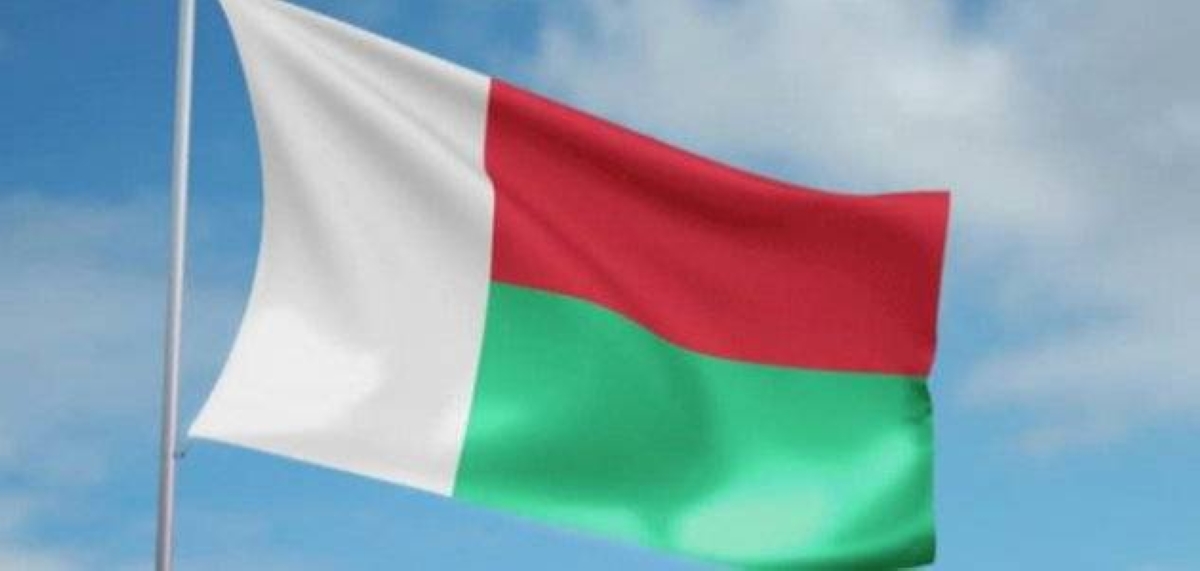
قدّم البنك الدولي منحة بقيمة 100 مليون دولار لمدغشقر، مخصصة لتحسين أداء الشركة الوطنية للكهرباء والمياه، التي تعاني من أزمة مالية خانقة، بحسب إعلان حكومة مدغشقر.
وأشارت إلى أن وفدًا من البنك الدولي كان قد زار مدغشقر أواخر شهر يوليو الماضي لإعداد الإصلاحات اللازمة لتعزيز قطاع الطاقة، حيث جرى تحديد الإطارين التقني والتنظيمي لتنفيذ برنامج قائم على تحقيق نتائج.
وتواجه شركة المياه والكهرباء في مدغشقر عجزًا ماليًا حادًا، إذ تبلغ نفقاتها الشهرية نحو 40 مليون دولار، مقابل إيرادات لا تتجاوز 19,8 مليون دولار، وفق ما أعلنه العام الماضي رئيس الوزراء كريستيان نتساي، ولا تتعدى نسبة السكان المستفيدين من خدماتها حاليا 15%.
وتسعى حكومة مدغشقر إلى مضاعفة إنتاج الكهرباء ورفع نسبة الحصول على الطاقة إلى 75% من السكان بحلول عام 2030، مع التركيز بشكل أساسي على الاستثمار في مصادر الطاقة المتجددة.
ويعد اقتصاد مدغشقر اقتصاد سوق وتدعمه الصناعات الزراعية بمدغشقر وصناعات السياحة، والنسيج و التعدين الناشئة. والزراعة الملغاشية تنتج المحاصيل الأساسية الاستوائية مثل الأرز والبفرة، وكذلك المحاصيل النقدية مثل الفانيليا والقهوة.
وثروة مدغشقر من الموارد الطبيعية تدعم صناعتها الكبيرة من التعدين، إضافة إلى ذلك الوضع في مدغشقر كدولة نامية يعفي الصادرات الملغاشية من بروتوكول الجمارك في بعض المناطق، ولا سيما الولايات المتحدة والاتحاد الأوروبي.
المياه والكهرباء تعاني أزمة خانقة.. 100 مليون دولار لدعم مدغشقر
23 أغسطس 2025 - 20:30
|
آخر تحديث 23 أغسطس 2025 - 20:30


تابع قناة عكاظ على الواتساب
«عكاظ» (أنتاناناريفو)
The World Bank has provided a grant of $100 million to Madagascar, aimed at improving the performance of the national electricity and water company, which is suffering from a severe financial crisis, according to an announcement by the Madagascar government.
It was noted that a delegation from the World Bank visited Madagascar in late July to prepare the necessary reforms to strengthen the energy sector, where the technical and regulatory frameworks for implementing a results-based program were established.
The water and electricity company in Madagascar is facing a severe financial deficit, with monthly expenses amounting to about $40 million, compared to revenues that do not exceed $19.8 million, as announced last year by Prime Minister Christian Ntsay, and currently, the percentage of the population benefiting from its services is only 15%.
The Madagascar government aims to double electricity production and increase access to energy to 75% of the population by 2030, with a primary focus on investing in renewable energy sources.
Madagascar's economy is a market economy supported by its agricultural industries, tourism, emerging textiles, and mining. Malagasy agriculture produces essential tropical crops such as rice and millet, as well as cash crops like vanilla and coffee.
Madagascar's wealth of natural resources supports its large mining industry, and additionally, Madagascar's status as a developing country exempts Malagasy exports from customs protocols in certain areas, particularly the United States and the European Union.
It was noted that a delegation from the World Bank visited Madagascar in late July to prepare the necessary reforms to strengthen the energy sector, where the technical and regulatory frameworks for implementing a results-based program were established.
The water and electricity company in Madagascar is facing a severe financial deficit, with monthly expenses amounting to about $40 million, compared to revenues that do not exceed $19.8 million, as announced last year by Prime Minister Christian Ntsay, and currently, the percentage of the population benefiting from its services is only 15%.
The Madagascar government aims to double electricity production and increase access to energy to 75% of the population by 2030, with a primary focus on investing in renewable energy sources.
Madagascar's economy is a market economy supported by its agricultural industries, tourism, emerging textiles, and mining. Malagasy agriculture produces essential tropical crops such as rice and millet, as well as cash crops like vanilla and coffee.
Madagascar's wealth of natural resources supports its large mining industry, and additionally, Madagascar's status as a developing country exempts Malagasy exports from customs protocols in certain areas, particularly the United States and the European Union.


