


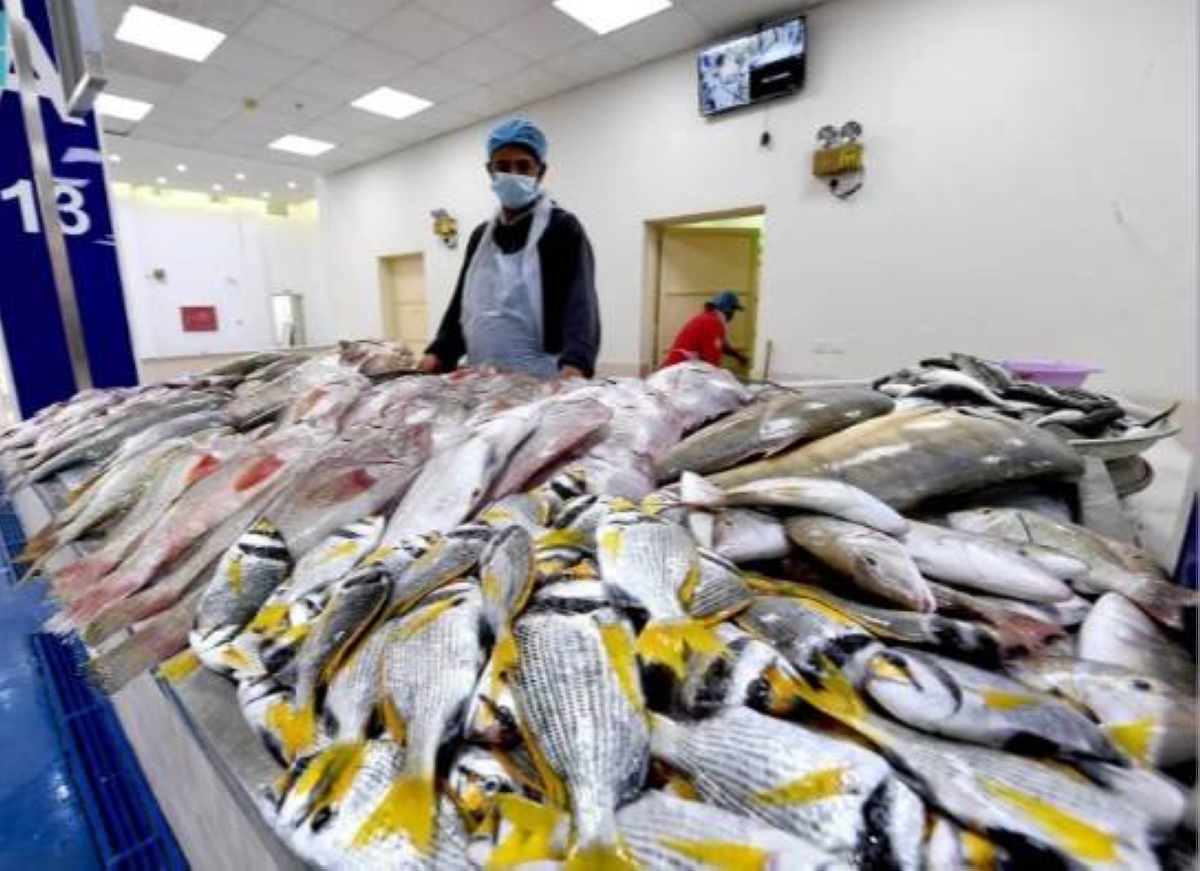
بلغ إنتاج المزارع السمكية في المنطقة الشرقية، التي تستهدف بالدرجة الرئيسة إنتاج سمك «البلطي» والعديد من أنواع الأسماك الأخرى، إضافة إلى مصائد صيد الأسماك والروبيان، خلال العام الماضي 2024م، أكثر من 44 ألف طن من الأسماك والروبيان.
وأوضح المدير العام لفرع وزارة البيئة والمياه والزراعة بالمنطقة الشرقية المهندس فهد الحمزي، أن عدد مشاريع الاستزراع السمكي في المنطقة الشرقية تبلغ 88 مشروعاً مرخصاً، منها 23 مشروع استزراع سمكي منتج لمختلف أنواع الأسماك، وبلغت الطاقة الإنتاجية للمشاريع السمكية خلال العام 2024م حوالى 1,400 طن، إضافة إلى حجم إنتاج مصائد الأسماك في سواحل الخليج العربي بالمنطقة الشرقية للعام الماضي، الذي بلغ أكثر من 43.000 طن.
وأوضح المهندس الحمزي أن الطاقة الإنتاجية المستهدفة لمشاريع الاستزراع السمكي المنتجة الوصول إلى 12 ألف طن سنويّاً، مبيناً أن متوسط القيمة الاستثمارية لهذه المشاريع ما بين 4 إلى 6 ملايين ريال، مشيراً إلى أن هذه المشاريع السمكية تعمل بالنظام المغلق، الذي يعتمد على التربية شبة المكثفة في إنتاج الأسماك.
بدوره أبان مدير مركز أبحاث الثروة السمكية في المنطقة الشرقية المهندس محمد بن سالم السلامة، أن مشاريع الاستزراع السمكي في المنطقة الشرقية، تؤدي دوراً مهمّاً ومحوريّاً في دعم الأسواق المحلية بالأسماك، ولها دور كبير من النواحي الاقتصادية والغذائية والبيئة والمساهمة في تعزيز الأمن الغذائي، وتقليل الضغط على الثروات البحرية، إضافة إلى تحقيق مستهدفات رؤية المملكة 2030 في دعم الاقتصاد الوطني ومصادر التنوع الغذائي.
وأفاد أن المزارع السمكية في المنطقة الشرقية تُنتج العديد من أنواع الأسماك، منها (سمك البلطي، والكارب، والحفش المنتج للكافيار، وأسماك السالمون)، التي تلقى رواجاً بين المستهلكين من المواطنين والمقيمين، مبيناً أن المركز يُشرف على مشاريع الاستزراع السمكي، والقيام بجولات رقابية للتأكد من تطبيق جميع الإجراءات والاشتراطات النظامية، وأخذ عينات من المياه والأسماك وإجراء الاختبارات المخبرية الفيزيائية والكيميائية والميكروبية عليها، وذلك للتأكد من صحة وسلامة الأسماك وأنها صالحة وآمنة للاستهلاك الآدمي.
وأشار المهندس سلامة إلى أن مشاريع الاستزراع السمكي في المنطقة الشرقية تشهد تطوراً ملحوظاً من خلال التوسع في الإنتاج، وتطوير التقنيات الحديثة المستخدمة، إضافة إلى دعم الأبحاث والدراسات العلمية من خلال التعاون مع الجامعات الوطنية، وتمكين القطاع الخاص والتوسع في تصدير الإنتاج السمكي لمختلف الأسواق بالمنطقة.
وأفاد مدير مركز أبحاث الثروة السمكية في المنطقة الشرقية إلى أن حجم الإنتاج للمزارع السمكية في المملكة بلغ في العام 2022م أكثر من 120 ألف طن من مختلف الأسماك، فيما بلغ الإنتاج في 2023م أكثر من 140 ألف طن، وهو الأمر الذي يعكس ارتفاع حجم الإنتاج للمزارع السمكية وتحقيق الطلب عليها من المستهلكين، مبيناً أن المملكة تهدف إلى تصدير المنتجات السمكية إلى الكثير من الدول العالمية التي من بينها: سنغافورة، وماليزيا، مؤكداً أن مشاريع الاستزراع السمكي في المملكة تسهم في دعم النمو والاستدامة للأسماك والروبيان في البحر، وتعمل على دعم التنوع الاقتصادي والناتج المحلي من الأسماك والربيان.
وأكد المهندس السلامة أن إنتاج المزارع السمكية يلقى قابلية كبيرة عند المستهلكين، وذلك من خلال ضمان وجود الإنتاج السمكي طول العام، إضافة إلى ضمان الجودة، إذ تخضع المزارع السمكية إلى الرقابة، إضافة إلى إنتاج أنواع مختلفة من الأسماك، التي تحمل قيمة غذائية عالية.
44 ألف طن من الأسماك والروبيان إنتاج مشاريع الاستزراع السمكي بالشرقية
5 أغسطس 2025 - 17:38
|
آخر تحديث 5 أغسطس 2025 - 17:38


تابع قناة عكاظ على الواتساب
«عكاظ» (الدمام)
The production of fish farms in the Eastern Province, which primarily targets the production of "tilapia" and many other types of fish, in addition to fish and shrimp fishing grounds, during the past year 2024 exceeded 44,000 tons of fish and shrimp.
The General Director of the Ministry of Environment, Water, and Agriculture branch in the Eastern Province, Engineer Fahd Al-Hamzi, explained that the number of licensed aquaculture projects in the Eastern Province amounts to 88 projects, including 23 fish farming projects producing various types of fish. The production capacity of fish projects during the year 2024 was about 1,400 tons, in addition to the production volume of fish catches along the Arabian Gulf coasts in the Eastern Province last year, which exceeded 43,000 tons.
Engineer Al-Hamzi clarified that the targeted production capacity for the fish farming projects is to reach 12,000 tons annually, indicating that the average investment value of these projects ranges between 4 to 6 million riyals. He pointed out that these fish projects operate under a closed system, which relies on semi-intensive breeding for fish production.
For his part, the Director of the Fish Wealth Research Center in the Eastern Province, Engineer Mohammed bin Salem Al-Salamah, stated that aquaculture projects in the Eastern Province play an important and pivotal role in supporting local markets with fish, and they have a significant role in economic, nutritional, and environmental aspects, contributing to enhancing food security, reducing pressure on marine resources, in addition to achieving the objectives of the Kingdom's Vision 2030 in supporting the national economy and sources of food diversity.
He reported that fish farms in the Eastern Province produce many types of fish, including (tilapia, carp, sturgeon producing caviar, and salmon), which are popular among consumers, both citizens and residents. He indicated that the center supervises fish farming projects and conducts monitoring tours to ensure compliance with all regulatory procedures and requirements, taking samples of water and fish and conducting physical, chemical, and microbiological laboratory tests on them, to ensure the health and safety of the fish and that they are suitable and safe for human consumption.
Engineer Al-Salamah pointed out that aquaculture projects in the Eastern Province are witnessing significant development through the expansion of production, the development of modern technologies used, in addition to supporting research and scientific studies through cooperation with national universities, enabling the private sector, and expanding the export of fish production to various markets in the region.
The Director of the Fish Wealth Research Center in the Eastern Province stated that the production volume of fish farms in the Kingdom reached more than 120,000 tons of various fish in 2022, while production in 2023 exceeded 140,000 tons, reflecting the increase in production volume for fish farms and meeting consumer demand. He indicated that the Kingdom aims to export fish products to many countries worldwide, including Singapore and Malaysia, emphasizing that aquaculture projects in the Kingdom contribute to supporting the growth and sustainability of fish and shrimp in the sea, and work to support economic diversity and local production of fish and shrimp.
Engineer Al-Salamah confirmed that the production of fish farms is highly accepted by consumers, as it ensures the availability of fish production throughout the year, in addition to guaranteeing quality, as fish farms are subject to oversight, in addition to producing different types of fish that carry high nutritional value.
The General Director of the Ministry of Environment, Water, and Agriculture branch in the Eastern Province, Engineer Fahd Al-Hamzi, explained that the number of licensed aquaculture projects in the Eastern Province amounts to 88 projects, including 23 fish farming projects producing various types of fish. The production capacity of fish projects during the year 2024 was about 1,400 tons, in addition to the production volume of fish catches along the Arabian Gulf coasts in the Eastern Province last year, which exceeded 43,000 tons.
Engineer Al-Hamzi clarified that the targeted production capacity for the fish farming projects is to reach 12,000 tons annually, indicating that the average investment value of these projects ranges between 4 to 6 million riyals. He pointed out that these fish projects operate under a closed system, which relies on semi-intensive breeding for fish production.
For his part, the Director of the Fish Wealth Research Center in the Eastern Province, Engineer Mohammed bin Salem Al-Salamah, stated that aquaculture projects in the Eastern Province play an important and pivotal role in supporting local markets with fish, and they have a significant role in economic, nutritional, and environmental aspects, contributing to enhancing food security, reducing pressure on marine resources, in addition to achieving the objectives of the Kingdom's Vision 2030 in supporting the national economy and sources of food diversity.
He reported that fish farms in the Eastern Province produce many types of fish, including (tilapia, carp, sturgeon producing caviar, and salmon), which are popular among consumers, both citizens and residents. He indicated that the center supervises fish farming projects and conducts monitoring tours to ensure compliance with all regulatory procedures and requirements, taking samples of water and fish and conducting physical, chemical, and microbiological laboratory tests on them, to ensure the health and safety of the fish and that they are suitable and safe for human consumption.
Engineer Al-Salamah pointed out that aquaculture projects in the Eastern Province are witnessing significant development through the expansion of production, the development of modern technologies used, in addition to supporting research and scientific studies through cooperation with national universities, enabling the private sector, and expanding the export of fish production to various markets in the region.
The Director of the Fish Wealth Research Center in the Eastern Province stated that the production volume of fish farms in the Kingdom reached more than 120,000 tons of various fish in 2022, while production in 2023 exceeded 140,000 tons, reflecting the increase in production volume for fish farms and meeting consumer demand. He indicated that the Kingdom aims to export fish products to many countries worldwide, including Singapore and Malaysia, emphasizing that aquaculture projects in the Kingdom contribute to supporting the growth and sustainability of fish and shrimp in the sea, and work to support economic diversity and local production of fish and shrimp.
Engineer Al-Salamah confirmed that the production of fish farms is highly accepted by consumers, as it ensures the availability of fish production throughout the year, in addition to guaranteeing quality, as fish farms are subject to oversight, in addition to producing different types of fish that carry high nutritional value.


