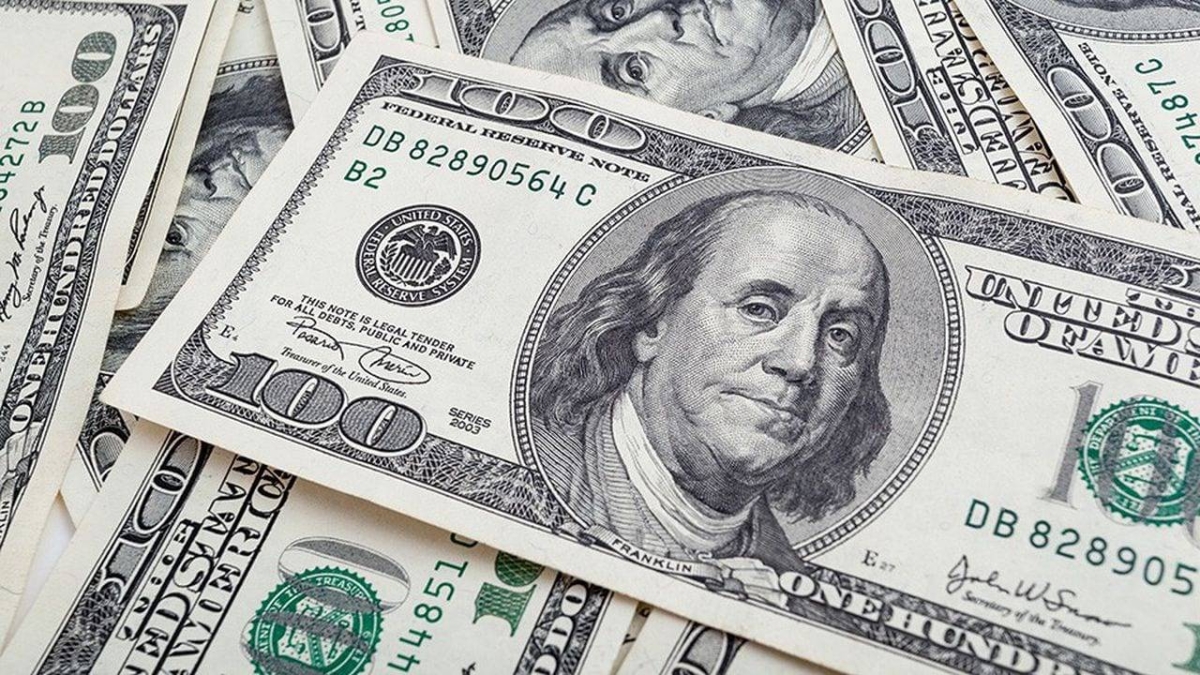
شهد الدولار الأمريكي انخفاضا ملحوظا مقابل مجموعة من العملات الرئيسية، بعد صدور بيانات اقتصادية مخيبة للآمال أظهرت تباطؤاً في سوق العمل الأمريكية.
وأضافت الشركات الأمريكية 73 ألف وظيفة فقط في يوليو، أقل من توقعات الاقتصاديين البالغة 100 ألف وظيفة، وفقاً لاستطلاع رويترز.
كما ارتفع معدل البطالة إلى 4.2%، مقارنة بـ4.1% في يونيو، وهو ما يتماشى مع التوقعات.
وأضافت الصدمة مراجعة حادة لأرقام يونيو، حيث تم تخفيض عدد الوظائف المضافة إلى 14 ألفاً بدلاً من 147 ألف المعلن عنها سابقاً.
هذه الأرقام دفعت المتداولين إلى زيادة توقعاتهم بشأن خفض أسعار الفائدة من قبل الاحتياطي الفيدرالي هذا العام، حيث يتوقعون الآن خفضاً بمقدار 54 نقطة أساس بحلول نهاية 2025، مقارنة بـ34 نقطة أساس الخميس، مع احتمال بدء الخفض في سبتمبر، ومع ذلك، يبقى قرار الاحتياطي الفيدرالي مرهوناً بتقرير الوظائف القادم لشهر أغسطس.
وفي تعليق لها، قالت هيلين جيفن، مديرة التداول في شركة ماني يو إس إيه بواشنطن: «الوضع أسوأ مما توقعه أي شخص، والمفاجأة الكبرى هي المراجعة الهبوطية للشهر السابق أيضاً، سوق العمل يتباطأ بشكل واضح، ما يجعل تقرير سبتمبر حاسماً».
من ناحية أخرى، تأثرت الأسواق بسياسات الرئيس دونالد ترمب التجارية، حيث فرض تعريفات جمركية جديدة على العديد من الدول، بما في ذلك تعريفة بنسبة 39% على سويسرا، و35% على كندا.
وأدت هذه التعريفات إلى انخفاض الفرنك السويسري مقابل الدولار بنسبة 0.82% إلى 0.806، بعد أن سجل أعلى مستوى له منذ 23 يونيو عند 0.8171.
في المقابل، ارتفع الدولار الكندي بنسبة 0.58% إلى 1.38 دولار كندي لكل دولار أمريكي، على الرغم من التعريفة المفروضة، كما انخفض مؤشر الدولار، الذي يقيس أداء العملة الأمريكية مقابل سلة من العملات، بنسبة 1.09% إلى 98.94.
وارتفع اليورو بنسبة 1.22% إلى 1.1554 دولار، بينما تراجع الدولار مقابل الين الياباني بنسبة 1.58% إلى 148.35، بعد أن وصل إلى أعلى مستوى له منذ 28 مارس عند 150.91، كما تأثر الين أيضا بإشارات من بنك اليابان بتأخير رفع أسعار الفائدة، ما أثار قلق السلطات اليابانية.
وأشار رئيس الاحتياطي الفيدرالي جيروم باول الأربعاء إلى أن البنك المركزي قد يحتفظ بأسعار الفائدة مرتفعة لفترة أطول بسبب مخاوف من تأثير التعريفات على التضخم.
ومع ذلك، فإن البيانات الاقتصادية الضعيفة أعادت إحياء التكهنات حول خفض وشيك لأسعار الفائدة.
The US dollar witnessed a notable decline against a range of major currencies, following the release of disappointing economic data that showed a slowdown in the US labor market.
US companies added only 73,000 jobs in July, below economists' expectations of 100,000 jobs, according to a Reuters survey.
The unemployment rate also rose to 4.2%, compared to 4.1% in June, which aligns with expectations.
The shock was compounded by a sharp revision of June's figures, where the number of jobs added was revised down to 14,000 instead of the previously announced 147,000.
These numbers prompted traders to increase their expectations regarding a rate cut by the Federal Reserve this year, as they now anticipate a cut of 54 basis points by the end of 2025, compared to 34 basis points on Thursday, with the possibility of starting the cuts in September. However, the Federal Reserve's decision remains contingent on the upcoming jobs report for August.
In her comments, Helen Given, trading director at Money USA in Washington, said, "The situation is worse than anyone expected, and the big surprise is the downward revision for the previous month as well. The labor market is clearly slowing down, making the September report crucial."
On the other hand, markets were affected by President Donald Trump's trade policies, as he imposed new tariffs on several countries, including a 39% tariff on Switzerland and 35% on Canada.
These tariffs led to a 0.82% decline in the Swiss franc against the dollar to 0.806, after it had reached its highest level since June 23 at 0.8171.
In contrast, the Canadian dollar rose by 0.58% to 1.38 Canadian dollars per US dollar, despite the imposed tariff. The dollar index, which measures the performance of the US currency against a basket of currencies, fell by 1.09% to 98.94.
The euro rose by 1.22% to 1.1554 dollars, while the dollar fell against the Japanese yen by 1.58% to 148.35, after reaching its highest level since March 28 at 150.91. The yen was also affected by signals from the Bank of Japan regarding a delay in raising interest rates, raising concerns among Japanese authorities.
Federal Reserve Chairman Jerome Powell indicated on Wednesday that the central bank may keep interest rates high for a longer period due to concerns about the impact of tariffs on inflation.
However, weak economic data has revived speculation about an imminent rate cut.