


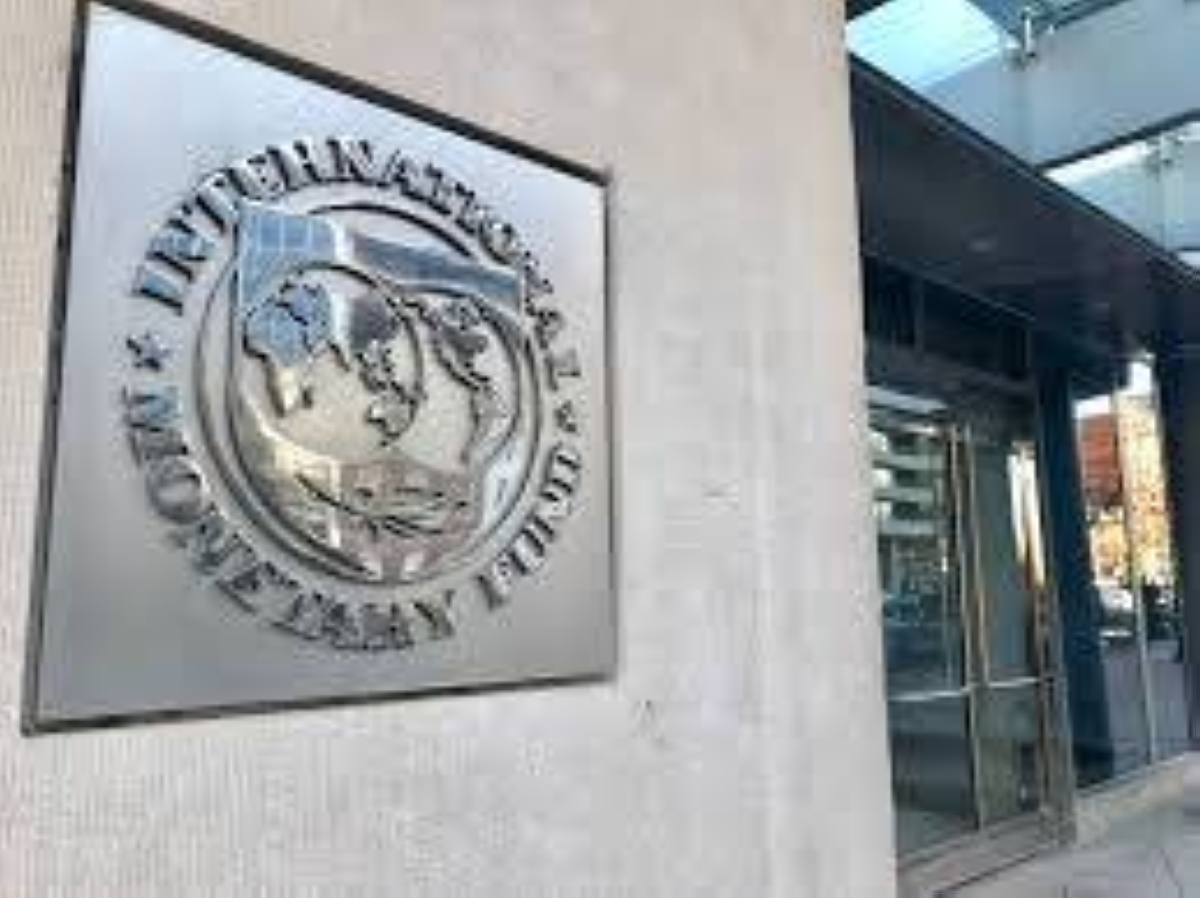
رفع صندوق النقد الدولي توقعاته لنمو الاقتصاد العالمي خلال العام الحالي بنسبة 0.2 نقطة مئوية لتصل إلى 3%، على أن يرتفع النمو تدريجياً إلى 3.1% في عام 2026، في ظل تحسن طفيف في الآفاق الاقتصادية وتراجع التهديدات الجيوسياسية، لا سيما في سوق النفط.
وأشار الصندوق في تقريره المحدّث إلى أن تحقيق نمو إضافي سيظل مرهوناً بنتائج المحادثات التجارية العالمية، كما لفت إلى أن فرض الولايات المتحدة رسوماً أقل من المتوقع ساهم في تخفيف الضغوط على حركة التجارة.
وفيما يتعلق بالتضخم، توقع الصندوق أن يبقى معدل التضخم في الولايات المتحدة أعلى من المستويات المستهدفة خلال الفترة القادمة، رغم التوقعات بأن تبدأ أسعار الفائدة بالتراجع في كل من الولايات المتحدة وبريطانيا خلال النصف الثاني من عام 2025.
أما في منطقة اليورو، فيُرجح الصندوق أن تستقر أسعار الفائدة، فيما يُتوقع أن ترتفع تدريجياً في اليابان مع نهاية العام الحالي.
وفي إشارة لملف الديون الأمريكية، اعتبر الصندوق أن تمرير مشروع الرئيس دونالد ترمب للضرائب ساهم في زيادة عدم اليقين بشأن استدامة الدين العام في الولايات المتحدة.
ورفع صندوق النقد توقعاته لنمو الاقتصاد الأمريكي بنسبة 0.1% ليصل إلى 1.9% خلال العام الحالي، كما رفع توقعاته لنمو اقتصاد الصين إلى 4.8% (بزيادة 0.8 نقطة مئوية)، في حين خفض توقعاته لنمو روسيا إلى 0.9% (-0.6 نقطة).
وفيما يخص منطقة الشرق الأوسط، رفع الصندوق توقعاته لنمو الاقتصاد السعودي هذا العام إلى 3.6%، بزيادة قدرها 0.6% عن التقديرات السابقة، مشيراً إلى أن المعروض النفطي من دول «أوبك+» وخارجها لا يزال قويًا مقارنة بمستويات الطلب.
«النقد الدولي» يرفع توقعات نمو الاقتصاد العالمي إلى 3%
29 يوليو 2025 - 21:10
|
آخر تحديث 29 يوليو 2025 - 21:10


تابع قناة عكاظ على الواتساب
«عكاظ» (نيويورك)
The International Monetary Fund (IMF) has raised its forecasts for global economic growth for the current year by 0.2 percentage points to reach 3%, with growth expected to gradually rise to 3.1% by 2026, amid a slight improvement in economic prospects and a decrease in geopolitical threats, particularly in the oil market.
The Fund noted in its updated report that achieving additional growth will remain contingent on the outcomes of global trade talks, and it pointed out that the United States imposing lower-than-expected tariffs has contributed to easing pressures on trade flows.
Regarding inflation, the Fund expects that the inflation rate in the United States will remain above target levels in the coming period, despite expectations that interest rates will begin to decline in both the United States and the United Kingdom during the second half of 2025.
As for the Eurozone, the Fund anticipates that interest rates will stabilize, while they are expected to gradually rise in Japan by the end of the current year.
In reference to the issue of U.S. debt, the Fund considered that the passage of President Donald Trump's tax plan has contributed to increasing uncertainty regarding the sustainability of public debt in the United States.
The IMF has raised its growth forecast for the U.S. economy by 0.1% to reach 1.9% for the current year, and it has raised its growth forecast for China's economy to 4.8% (an increase of 0.8 percentage points), while it has lowered its growth forecast for Russia to 0.9% (-0.6 points).
Concerning the Middle East, the Fund has raised its growth forecast for the Saudi economy this year to 3.6%, an increase of 0.6% from previous estimates, indicating that oil supply from OPEC+ countries and beyond remains strong compared to demand levels.
The Fund noted in its updated report that achieving additional growth will remain contingent on the outcomes of global trade talks, and it pointed out that the United States imposing lower-than-expected tariffs has contributed to easing pressures on trade flows.
Regarding inflation, the Fund expects that the inflation rate in the United States will remain above target levels in the coming period, despite expectations that interest rates will begin to decline in both the United States and the United Kingdom during the second half of 2025.
As for the Eurozone, the Fund anticipates that interest rates will stabilize, while they are expected to gradually rise in Japan by the end of the current year.
In reference to the issue of U.S. debt, the Fund considered that the passage of President Donald Trump's tax plan has contributed to increasing uncertainty regarding the sustainability of public debt in the United States.
The IMF has raised its growth forecast for the U.S. economy by 0.1% to reach 1.9% for the current year, and it has raised its growth forecast for China's economy to 4.8% (an increase of 0.8 percentage points), while it has lowered its growth forecast for Russia to 0.9% (-0.6 points).
Concerning the Middle East, the Fund has raised its growth forecast for the Saudi economy this year to 3.6%, an increase of 0.6% from previous estimates, indicating that oil supply from OPEC+ countries and beyond remains strong compared to demand levels.


