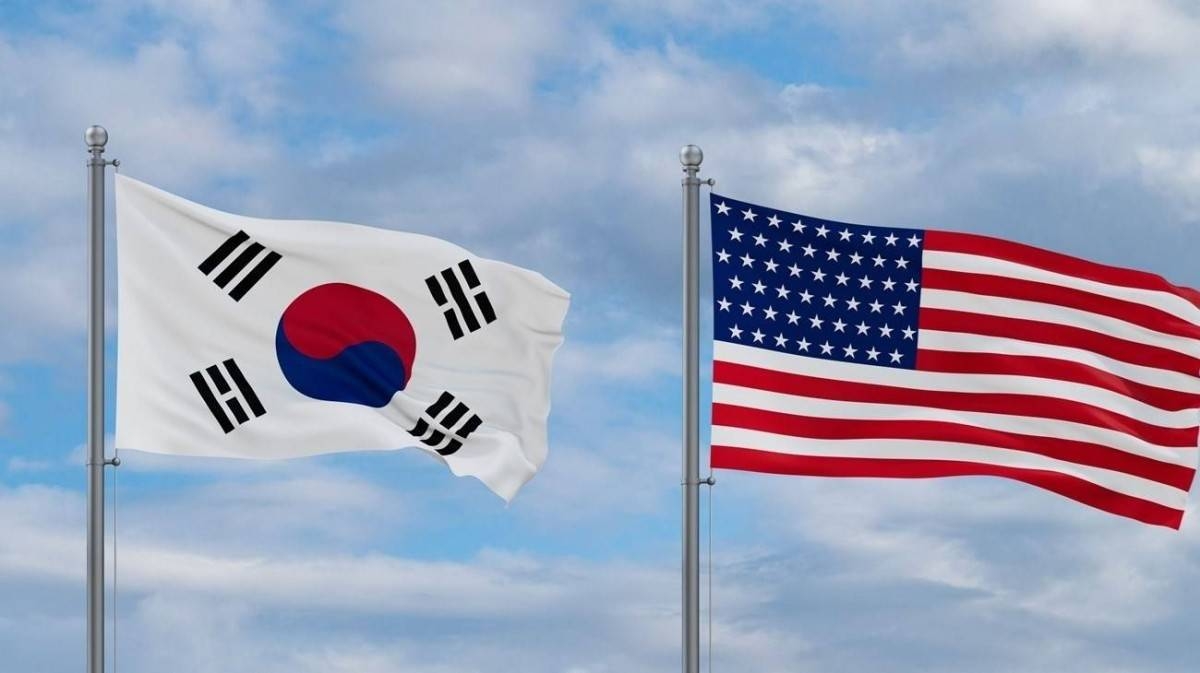
تسعى كوريا الجنوبية جاهدة لإبرام شراكة إستراتيجية مع الولايات المتحدة في مجال بناء السفن؛ بهدف تجنب فرض تعرفة جمركية بنسبة 25%، في إطار مفاوضات مكثفة تسابق الزمن قبل الموعد النهائي الذي حدده الرئيس الأمريكي دونالد ترمب في الأول من أغسطس.
ووفقاً لوكالة يونهاب الإخبارية، اقترحت سول مشروعاً بمليارات الدولارات يحمل اسم «إعادة عظمة بناء السفن الأمريكية» (Masga)، رغم أن وزارة الصناعة الكورية الجنوبية امتنعت عن التعليق.
وأصدرت الرئاسة الكورية الجنوبية بياناً، أكدت فيه اهتمام الولايات المتحدة القوي بقطاع بناء السفن، مشيرة إلى اتفاق الطرفين على التعاون لوضع شروط مقبولة تشمل هذا القطاع.
وتأتي المفاوضات في وقت تكثف فيه سيول جهودها للحفاظ على حوار مستمر مع واشنطن، التي ركزت أخيراً على مفاوضات مع الاتحاد الأوروبي والصين.
وأعلنت الولايات المتحدة والاتحاد الأوروبي، أمس (الأحد)، اتفاقاً يفرض تعرفة بنسبة 15% على معظم الصادرات الأوروبية، بما في ذلك السيارات، وذلك بعد اتفاق مماثل مع اليابان الأسبوع الماضي.
وتواجه كوريا الجنوبية، رابع أكبر اقتصاد في آسيا، ضغوطاً متزايدة لإبرام اتفاق تجاري، خصوصاً أنها واحدة من الاقتصادات الآسيوية الكبرى التي لم تتوصل بعد إلى اتفاق، إلى جانب الصين والهند.
وتعاني المفاوضات الكورية من تعقيدات داخلية ناتجة عن الاضطرابات السياسية، ومن المقرر أن يجتمع وزراء المالية والخارجية الكوريون مع نظرائهم الأمريكيين هذا الأسبوع لمحاولة إتمام المفاوضات، مع التأكيد على التزام البلدين بإبرام اتفاق قبل الموعد النهائي.
وتشمل المحادثات أيضاً زيادة وصول المنتجات الزراعية الأمريكية إلى السوق الكورية الجنوبية، إلى جانب إنشاء صندوق للاستثمار في مشاريع أمريكية، على غرار الاتفاق الياباني الذي تضمن صندوقاً بقيمة 550 مليار دولار مقابل خفض التعرفة إلى 15%، وتهدف كوريا الجنوبية إلى التوصل إلى تعرفة مماثلة، تشمل قطاع السيارات.
ومع ذلك، فإن فتح السوق الزراعية، خصوصاً فيما يتعلق باللحوم البقرية والأرز، يثير تحديات كبيرة للحكومة الكورية الجديدة، إذ أدت محاولات سابقة لفتح سوق اللحوم إلى احتجاجات واسعة، وقد تواجه قرارات مماثلة بشأن الأرز مقاومة أشد.
وفي حال فشل التوصل إلى اتفاق، تشير تقديرات «بلومبيرغ إيكونوميكس» إلى أن اقتصاد كوريا الجنوبية قد يشهد انخفاضاً في الناتج المحلي الإجمالي بنسبة 1.7%، مع مخاطر إضافية ناتجة عن تقلبات الأسواق، إذ شكلت الصادرات أكثر من 40% من الناتج المحلي الإجمالي لكوريا الجنوبية العام الماضي.
وأشارت الخبيرة الاقتصادية في «مورجان ستانلي» كاثلين أوه إلى أن الاتفاق التجاري الياباني يوفر خلفية إيجابية، لكنه يضع معايير مرتفعة للدول الأخرى، مؤكدة أن كوريا الجنوبية قد تحتاج إلى تكثيف استثماراتها في مجالات مثل الزراعة والطاقة لتوسيع وصولها إلى الأسواق الأمريكية، على غرار النموذج الياباني.
South Korea is striving to establish a strategic partnership with the United States in the shipbuilding sector; aiming to avoid a 25% tariff, amid intense negotiations racing against the clock before the deadline set by President Donald Trump on August 1.
According to the Yonhap news agency, Seoul has proposed a multi-billion dollar project named "Reviving American Shipbuilding" (Masga), although the South Korean Ministry of Industry refrained from commenting.
The South Korean presidency issued a statement confirming the strong interest of the United States in the shipbuilding sector, noting that both parties agreed to cooperate to establish acceptable terms that include this sector.
The negotiations come at a time when Seoul is intensifying its efforts to maintain ongoing dialogue with Washington, which has recently focused on negotiations with the European Union and China.
The United States and the European Union announced yesterday (Sunday) an agreement imposing a 15% tariff on most European exports, including cars, following a similar agreement with Japan last week.
South Korea, the fourth largest economy in Asia, is facing increasing pressure to finalize a trade agreement, especially as it is one of the major Asian economies yet to reach an agreement, alongside China and India.
The Korean negotiations are complicated by internal issues stemming from political turmoil, and South Korean finance and foreign ministers are scheduled to meet with their American counterparts this week in an attempt to finalize the negotiations, reaffirming both countries' commitment to reaching an agreement before the deadline.
The talks also include increasing access for American agricultural products to the South Korean market, along with establishing a fund to invest in American projects, similar to the Japanese agreement that included a $550 billion fund in exchange for reducing the tariff to 15%, with South Korea aiming to achieve a similar tariff that includes the automotive sector.
However, opening the agricultural market, particularly regarding beef and rice, poses significant challenges for the new Korean government, as previous attempts to open the meat market led to widespread protests, and similar decisions regarding rice may face even stronger resistance.
If an agreement fails to materialize, estimates from Bloomberg Economics suggest that South Korea's economy could see a GDP decline of 1.7%, with additional risks arising from market volatility, as exports accounted for more than 40% of South Korea's GDP last year.
Economic expert at Morgan Stanley, Kathleen Oh, noted that the Japanese trade agreement provides a positive backdrop, but sets high standards for other countries, emphasizing that South Korea may need to intensify its investments in areas such as agriculture and energy to expand its access to American markets, similar to the Japanese model.