


يخطو رئيس مجلس الاحتياطي الفيدرالي جيروم باول وزملاؤه إلى قاعة مجلس إدارة البنك المركزي للنظر في أسعار الفائدة في ظل ضغوط سياسية هائلة، وتطورات في السياسة التجارية، واتجاهات اقتصادية متضاربة.
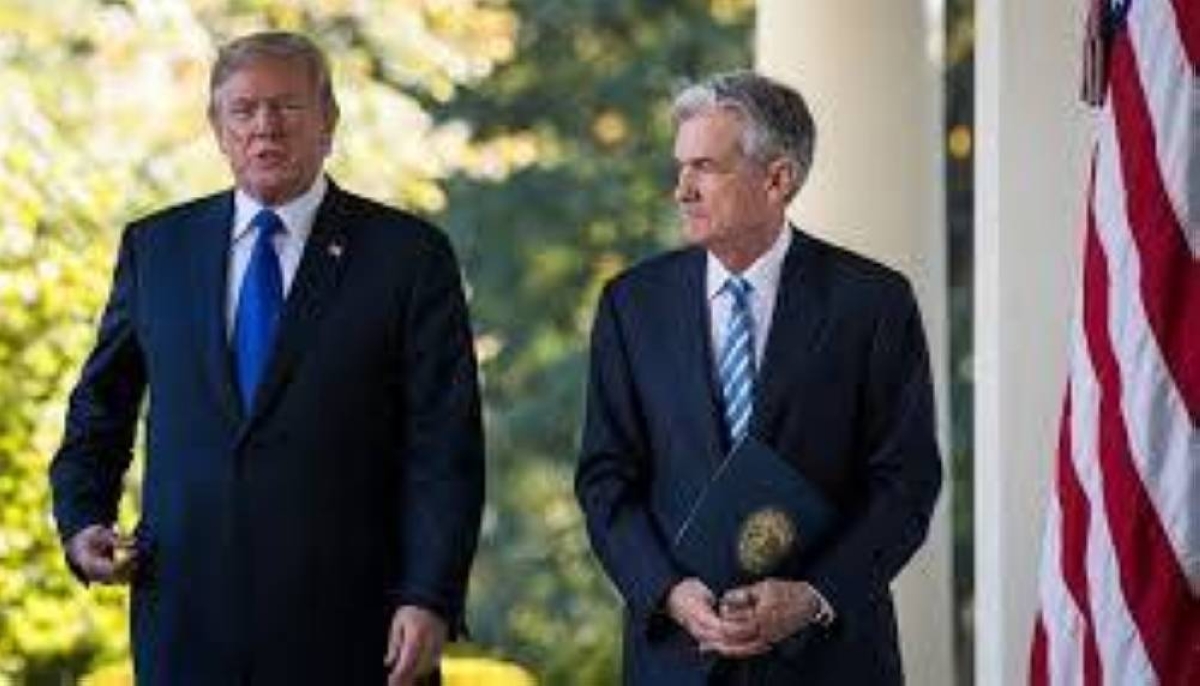
ولطالما وبخ الرئيس الأمريكي دونالد ترمب باول لبطء تحركه، منتقداً في الوقت نفسه إدارته لتجاوزات في تكاليف البناء تتعلق بتجديد مقر بنك الاحتياطي الفيدرالي في مبنى إكليس في واشنطن. وشدد باول ومحافظو البنوك المركزية الآخرون على ضرورة التحلي بالصبر، إذ تُنذر رسوم إدارة ترمب الجمركية بتسارع التضخم مجدداً. وحتى الآن هذا العام، ومنذ فرض مجموعة متنوعة من الرسوم الجمركية الأمريكية على الواردات، اتسمت ضغوط الأسعار بالتواضع.
وفي حدث نادر، سيجتمع صانعو السياسات في الأسبوع نفسه الذي تصدر فيه الحكومة تقارير الناتج المحلي الإجمالي، والتوظيف، ومقاييس الأسعار المفضلة لدى الاحتياطي الفيدرالي. ويجتمع مسؤولو الاحتياطي الفيدرالي يومي الثلاثاء والأربعاء القادمين، ومن المتوقع على نطاق واسع أن يُبقوا على أسعار الفائدة دون تغيير.
وتُقدّر الجهات التي تعد التوقعات أن تُظهر الحزمة المكثفة من البيانات انتعاشاً في النشاط الاقتصادي في الربع الثاني من العام الحالي، ويرجع ذلك إلى حد كبير إلى انخفاض حاد في العجز التجاري، بينما تباطأ نمو الوظائف في يوليو الجاري. وقد يُظهر التقرير الرئيسي الثالث ارتفاعاً طفيفاً في التضخم الأساسي في يونيو مقارنةً بالشهر السابق.
في حين يُتوقع أن يُظهر التقدير الأولي الحكومي للناتج المحلي الإجمالي الفصلي زيادة سنوية بنسبة 2.4% -بعد انكماش الاقتصاد بنسبة 0.5% في الفترة من يناير إلى مارس- إلا أن تقرير الأربعاء سيكشف على الأرجح عن طلب متواضع فحسب من الأسر واستثمار الشركات.
ويشير أوسط التوقعات في استطلاع أجرته «بلومبيرغ» إلى زيادة بنسبة 1.5% في إنفاق المستهلكين، مسجلاً بذلك أضعف وتيرة لفصلين متتاليين منذ بداية الجائحة في أوائل عام 2020. كما أثر تذبذب سوق الإسكان على نشاط الربع الثاني.
وبدأ عدد قليل من مسؤولي الاحتياطي الفيدرالي يبدون قلقهم بشأن ما يعتبرونه سوق عمل هشة، بما في ذلك اثنان قالا إنهما يريان جدوى في النظر في خفض أسعار الفائدة الآن. كما تتزايد الضغوط من خارج المجلس. وقد أعرب الرئيس دونالد ترمب صراحةً عن رغبته في أن يخفض باول وزملاؤه تكاليف الاقتراض على المستهلكين والشركات.
وفي الشمال، من المُقرر أن يُبقي بنك كندا على أسعار الفائدة دون تغيير، لتظل تكاليف الاقتراض ثابتة عند 2.75% للاجتماع الثالث على التوالي، وسط حالة من عدم اليقين التجاري، وتضخم أساسي مُستقر، واقتصاد يبدو أنه يتعامل مع الرسوم الجمركية بشكل أفضل مما توقعه العديد من الاقتصاديين. وسيصدر المسؤولون تقريراً عن السياسة النقدية، لكن لم يُعرف بعد ما إذا كانوا سيعودون إلى التوقعات المحددة أم سيصدرون سيناريوهات متعددة، كما فعلوا في أبريل وسط تقلبات السياسة التجارية الأمريكية.
وفي أماكن أخرى، من المرجح أن يُبقي محافظو البنوك المركزية في اليابان والبرازيل على أسعار الفائدة دون تغيير، بينما يُتوقع تخفيضها في جنوب أفريقيا وتشيلي وغانا وباكستان وكولومبيا. كما سيترقب المستثمرون التوقعات الجديدة لصندوق النقد الدولي، وقراءات مؤشر مديري المشتريات العالمي، ومجموعة من بيانات الناتج المحلي الإجمالي والتضخم في أوروبا.
وسط اتجاهات متضاربة.. هل يحسم «الفيدرالي» مصير الفائدة ؟
27 يوليو 2025 - 18:12
|
آخر تحديث 27 يوليو 2025 - 18:12


تابع قناة عكاظ على الواتساب
«عكاظ» (نيويورك)
Federal Reserve Chairman Jerome Powell and his colleagues step into the central bank's boardroom to consider interest rates amid immense political pressure, developments in trade policy, and conflicting economic trends.
U.S. President Donald Trump has long chastised Powell for his slow actions, simultaneously criticizing his management of cost overruns related to the renovation of the Federal Reserve's headquarters in the Eccles Building in Washington. Powell and other central bank governors have emphasized the need for patience, as Trump's tariff management threatens to accelerate inflation once again. So far this year, since a variety of U.S. tariffs were imposed on imports, price pressures have been modest.
In a rare event, policymakers will meet in the same week that the government releases reports on GDP, employment, and the Fed's preferred price measures. Federal Reserve officials will gather next Tuesday and Wednesday, and it is widely expected that they will keep interest rates unchanged.
Forecasting entities estimate that the intensive data package will show a rebound in economic activity in the second quarter of this year, largely due to a sharp decline in the trade deficit, while job growth has slowed in July. The third major report may show a slight increase in core inflation in June compared to the previous month.
While the government's preliminary estimate of quarterly GDP is expected to show an annual increase of 2.4%—after the economy contracted by 0.5% from January to March—the report on Wednesday will likely reveal only modest demand from households and business investment.
The median forecast in a Bloomberg survey indicates a 1.5% increase in consumer spending, marking the weakest pace for two consecutive quarters since the pandemic began in early 2020. Fluctuations in the housing market have also affected activity in the second quarter.
A few Federal Reserve officials have begun to express concern about what they consider a fragile labor market, including two who said they see merit in considering a rate cut now. Pressure is also mounting from outside the board. President Donald Trump has explicitly stated his desire for Powell and his colleagues to lower borrowing costs for consumers and businesses.
To the north, the Bank of Canada is set to keep interest rates unchanged, maintaining borrowing costs at 2.75% for the third consecutive meeting amid trade uncertainty, stable core inflation, and an economy that appears to be handling tariffs better than many economists expected. Officials will issue a monetary policy report, but it is not yet known whether they will return to specific forecasts or issue multiple scenarios, as they did in April amid fluctuations in U.S. trade policy.
Elsewhere, central bank governors in Japan and Brazil are likely to keep interest rates unchanged, while cuts are expected in South Africa, Chile, Ghana, Pakistan, and Colombia. Investors will also be watching for new forecasts from the International Monetary Fund, global PMI readings, and a range of GDP and inflation data from Europe.
U.S. President Donald Trump has long chastised Powell for his slow actions, simultaneously criticizing his management of cost overruns related to the renovation of the Federal Reserve's headquarters in the Eccles Building in Washington. Powell and other central bank governors have emphasized the need for patience, as Trump's tariff management threatens to accelerate inflation once again. So far this year, since a variety of U.S. tariffs were imposed on imports, price pressures have been modest.
In a rare event, policymakers will meet in the same week that the government releases reports on GDP, employment, and the Fed's preferred price measures. Federal Reserve officials will gather next Tuesday and Wednesday, and it is widely expected that they will keep interest rates unchanged.
Forecasting entities estimate that the intensive data package will show a rebound in economic activity in the second quarter of this year, largely due to a sharp decline in the trade deficit, while job growth has slowed in July. The third major report may show a slight increase in core inflation in June compared to the previous month.
While the government's preliminary estimate of quarterly GDP is expected to show an annual increase of 2.4%—after the economy contracted by 0.5% from January to March—the report on Wednesday will likely reveal only modest demand from households and business investment.
The median forecast in a Bloomberg survey indicates a 1.5% increase in consumer spending, marking the weakest pace for two consecutive quarters since the pandemic began in early 2020. Fluctuations in the housing market have also affected activity in the second quarter.
A few Federal Reserve officials have begun to express concern about what they consider a fragile labor market, including two who said they see merit in considering a rate cut now. Pressure is also mounting from outside the board. President Donald Trump has explicitly stated his desire for Powell and his colleagues to lower borrowing costs for consumers and businesses.
To the north, the Bank of Canada is set to keep interest rates unchanged, maintaining borrowing costs at 2.75% for the third consecutive meeting amid trade uncertainty, stable core inflation, and an economy that appears to be handling tariffs better than many economists expected. Officials will issue a monetary policy report, but it is not yet known whether they will return to specific forecasts or issue multiple scenarios, as they did in April amid fluctuations in U.S. trade policy.
Elsewhere, central bank governors in Japan and Brazil are likely to keep interest rates unchanged, while cuts are expected in South Africa, Chile, Ghana, Pakistan, and Colombia. Investors will also be watching for new forecasts from the International Monetary Fund, global PMI readings, and a range of GDP and inflation data from Europe.


