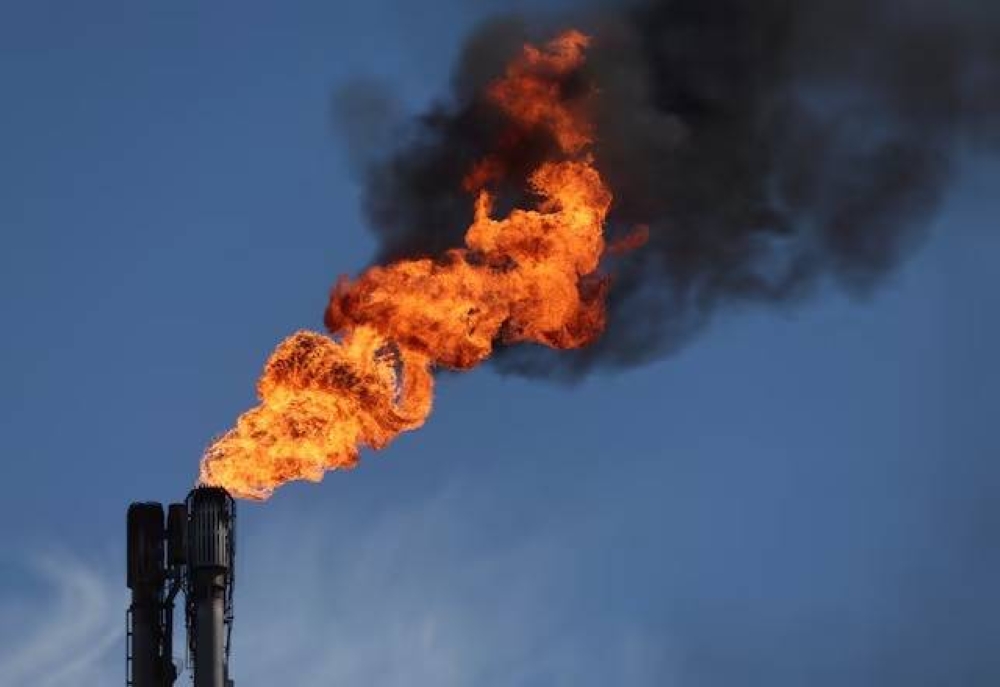
تواجه الصناعة البتروكيماوية الأوروبية أزمة غير مسبوقة مع موجة من إغلاق المصانع بعد سنوات من الخسائر وتوسع سريع في الطاقة الإنتاجية العالمية بقيادة الصين.
ووفقًا لتقرير أوردته وكالة «رويترز» فإن ارتفاع تكاليف الإنتاج، إلى جانب تقادم المصانع، جعل المنتجين الأوروبيين يكافحون للبقاء، مما زاد من اعتماد المنطقة على استيراد المواد الكيميائية الأساسية مثل الإيثيلين والبروبيلين، وهي مكونات حيوية لصناعة البلاستيك والأدوية والعديد من المنتجات الصناعية.
وحذر جيم راتكليف، مؤسس شركة «إينيوس»، خلال فعالية حديثة، من أن أوروبا تتجه نحو التراجع الصناعي بينما يشهد العالم بناء أكثر من 20 وحدة تكسير جديدة (crackers).
وانتقد راتكليف، الذي بنى ثروته من شراء مصانع بتروكيماوية من شركات مثل «بي بي»، غياب الإجراءات السياسية الفعالة لدعم الصناعة.
من جانبها، ردت المفوضية الأوروبية هذا الشهر بتعهد لدعم إنتاج المواد الكيميائية الاستراتيجية مثل الإيثيلين والبروبيلين، من خلال توسيع المساعدات الحكومية لتحديث المصانع وإعطاء الأولوية للسلع المصنعة محليًا في المناقصات العامة، على غرار تشريع الاتحاد الأوروبي لعام 2023 بشأن المعادن. لكن هذه الخطوات قد تأتي متأخرة لعكس الأضرار.
وأشار جوزيبي ريتشي، رئيس التحول الصناعي في مجموعة «إيني» الإيطالية، إلى أن الأزمة شبيهة بالتواجد على متن سفينة التايتانيك، مؤكدًا أن الإنكار لن يجدي نفعًا.
وكشف أن ذراع «إيني» الكيميائية «فيرساليس» تكبدت خسائر تجاوزت 3 مليارات يورو خلال السنوات الخمس الماضية، مع إغلاق آخر وحدتي تكسير في إيطاليا واستثمار ملياري يورو في مصانع التكرير الحيوي وإعادة التدوير الكيميائي.
شركات عالمية أخرى مثل «داو»، «إكسون موبيل»، «توتال إنرجيز»، و«شل» أعلنت أيضًا إغلاق أو إعادة تقييم أصولها الكيميائية في أوروبا، مع التركيز على وحدات التكسير التي تحول الهيدروكربونات إلى مواد كيميائية أساسية.
وحذّرت وثيقة صادرة عن ثماني دول أوروبية في مارس من أن إغلاق المزيد من وحدات التكسير قد يهدد 50 ألف وظيفة بحلول عام 2035.
ووفقًا لشركة «وود ماكنزي»، فإن ما يصل إلى 40% من الطاقة الإنتاجية للإيثيلين في الاتحاد الأوروبي، التي تبلغ 24.5 مليون طن متري، معرضة لخطر الإغلاق.
وأوضح روبرت جيلفيلان، رئيس أسواق البلاستيك وإعادة التدوير في الشركة، أن نسبة وحدات التكسير المعرضة للخطر في أوروبا تفوق بكثير تلك في مناطق أخرى، إذ تعتمد المصانع الأوروبية القديمة على النافثا كمادة خام، بينما تستخدم الولايات المتحدة والشرق الأوسط مواد أرخص مثل الإيثان.
في الوقت نفسه، تتوسع الصين بسرعة، إذ من المتوقع أن تضيف 6.5% سنويّاً إلى طاقتها الإنتاجية للإيثيلين بين 2025 و2030، لتصل إلى 87 مليون طن متري سنويًا، وهو ما يزيد عن ثلاثة أضعاف الطاقة الأوروبية الحالية.
كما تبني الشركات الصينية مصانع في جنوب شرق آسيا لتصدير منتجاتها إلى أوروبا وأمريكا الشمالية، متجاوزة الضرائب الكربونية والتعريفات الغربية.
وتواجه أوروبا الآن خياراً حاسماً: التدخل بشكل حاسم أو مشاهدة تدهور العمود الفقري لصناعتها الكيميائية.
كما دعت دول مثل فرنسا وإيطاليا وإسبانيا إلى إصدار قانون المواد الكيميائية الحرجة، إذ تظهر بيانات الاتحاد الأوروبي أن المنطقة أصبحت مستوردًا صافيًا للإيثيلين والبروبيلين خلال الفترة من 2019 إلى 2023.
The European petrochemical industry is facing an unprecedented crisis with a wave of factory closures following years of losses and a rapid expansion in global production capacity led by China.
According to a report by Reuters, rising production costs, along with aging factories, have made European producers struggle to survive, increasing the region's dependence on importing essential chemicals like ethylene and propylene, which are vital components for the plastics, pharmaceuticals, and many industrial products.
Jim Ratcliffe, founder of Ineos, warned at a recent event that Europe is heading towards industrial decline while the world is witnessing the construction of more than 20 new cracker units.
Ratcliffe, who built his fortune by purchasing petrochemical plants from companies like BP, criticized the lack of effective political measures to support the industry.
In response, the European Commission this month pledged to support the production of strategic chemicals like ethylene and propylene by expanding government aid to modernize factories and prioritizing locally manufactured goods in public tenders, similar to the EU legislation on metals in 2023. However, these steps may come too late to reverse the damage.
Giuseppe Ricci, head of industrial transformation at the Italian Eni Group, noted that the crisis is akin to being on board the Titanic, emphasizing that denial will not be helpful.
He revealed that Eni's chemical arm, Versalis, has incurred losses exceeding 3 billion euros over the past five years, with the closure of the last two cracker units in Italy and a 2 billion euro investment in bio-refining and chemical recycling plants.
Other global companies such as Dow, ExxonMobil, TotalEnergies, and Shell have also announced closures or reevaluations of their chemical assets in Europe, focusing on cracker units that convert hydrocarbons into basic chemicals.
A document issued by eight European countries in March warned that the closure of more cracker units could threaten 50,000 jobs by 2035.
According to Wood Mackenzie, up to 40% of the ethylene production capacity in the EU, which amounts to 24.5 million metric tons, is at risk of closure.
Robert Gilvelan, head of plastics and recycling markets at the company, explained that the percentage of at-risk cracker units in Europe far exceeds that in other regions, as old European plants rely on naphtha as a raw material, while the United States and the Middle East use cheaper materials like ethane.
Meanwhile, China is rapidly expanding, expected to add 6.5% annually to its ethylene production capacity between 2025 and 2030, reaching 87 million metric tons per year, which is more than three times the current European capacity.
Chinese companies are also building plants in Southeast Asia to export their products to Europe and North America, circumventing carbon taxes and Western tariffs.
Europe now faces a critical choice: intervene decisively or watch the backbone of its chemical industry deteriorate.
Countries like France, Italy, and Spain have called for the enactment of a critical chemicals law, as EU data shows that the region has become a net importer of ethylene and propylene from 2019 to 2023.