


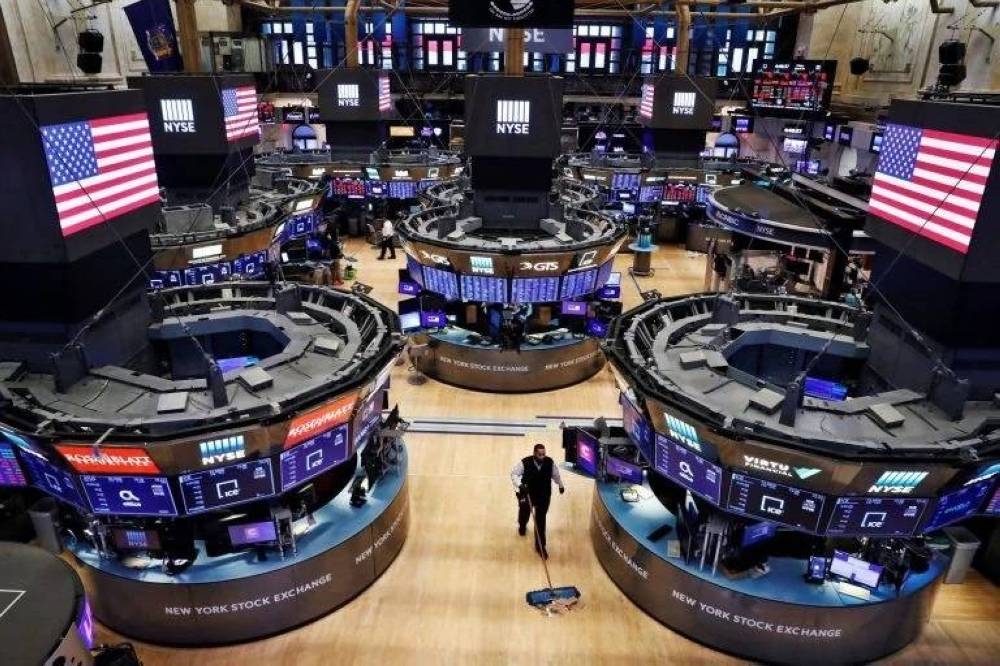
تجاهلت الأسواق العالمية تجديد الرئيس الأمريكي دونالد ترمب تهديده بفرض رسوم جمركية مرتفعة «متبادلة» على عدد من أبرز الشركاء التجاريين للولايات المتحدة، وذلك رغم منحه الدول مهلة جديدة مدتها ثلاثة أسابيع للتفاوض على اتفاقيات تجارية معها.
وأعلن ترمب، في رسائل أرسلها إلى اليابان وكوريا الجنوبية- وهما من أكبر شركاء التجارة للولايات المتحدة- فرض رسوم جمركية بنسبة 25% على الواردات منهما اعتباراً من 1 أغسطس القادم.
وأوضح أن جنوب أفريقيا ستُفرض عليها رسوم بنسبة 30%، كما كشف فرض رسوم كبيرة على واردات من 11 دولة أخرى. وتُعد هذه الرسوم مشابهة إلى حد كبير لتلك التي أعلنها «يوم التحرير التجاري» في 2 أبريل، التي تسببت حينها في اضطرابات كبيرة في الأسواق المالية العالمية، وفقاً لتقرير نشرته صحيفة «فاينانشال تايمز»، واطلعت عليه «العربية Business».
وكان قد تم تعليق تطبيق هذه الرسوم المتبادلة التي طالت عشرات الدول حتى 9 يوليو الجاري، ما أدى إلى استقرار الأسواق مؤقتاً. إلا أن البيت الأبيض لم يبرم سوى ثلاث اتفاقيات تجارية منذ ذلك الحين مع المملكة المتحدة والصين وفيتنام.
وفي وقت لاحق من أمس، أشار ترمب إلى إمكانية التوصل إلى المزيد من الاتفاقات، معتبراً أن الرسائل التي أرسلها تُشكل «عروضاً نهائية تقريباً». وأضاف: «يمكن القول إنها نهائية، لكن إذا تواصلت معنا دولة بعرض مختلف وكنت مقتنعاً به، فسنمضي قدماً، أعتبرها حاسمة، ولكن ليس بنسبة 100%، إذا أرادوا التفاوض بطريقة مختلفة، سنبقى منفتحين لذلك».
رغم تمديد المهلة 3 أسابيع.. الأسواق تتجاهل تهديدات فرض رسوم جمركية
8 يوليو 2025 - 17:01
|
آخر تحديث 8 يوليو 2025 - 17:01


تابع قناة عكاظ على الواتساب
«عكاظ» (واشنطن)
The global markets have ignored U.S. President Donald Trump's renewed threat to impose high "reciprocal" tariffs on several of the United States' major trading partners, despite granting countries a new three-week deadline to negotiate trade agreements with them.
Trump announced, in messages sent to Japan and South Korea—two of the largest trading partners of the United States—that a 25% tariff would be imposed on imports from them starting August 1.
He clarified that South Africa would face a 30% tariff, and also revealed significant tariffs on imports from 11 other countries. These tariffs are quite similar to those announced on "Trade Liberation Day" on April 2, which caused major disruptions in global financial markets, according to a report published by the Financial Times, which was reviewed by Al Arabiya Business.
The implementation of these reciprocal tariffs affecting dozens of countries had been suspended until July 9, which temporarily stabilized the markets. However, the White House has only concluded three trade agreements since then with the United Kingdom, China, and Vietnam.
Later yesterday, Trump indicated the possibility of reaching more agreements, considering that the messages he sent represent "almost final offers." He added: "You could say they are final, but if a country reaches out to us with a different offer and I am convinced by it, we will move forward. I consider them decisive, but not 100%. If they want to negotiate differently, we will remain open to that."
Trump announced, in messages sent to Japan and South Korea—two of the largest trading partners of the United States—that a 25% tariff would be imposed on imports from them starting August 1.
He clarified that South Africa would face a 30% tariff, and also revealed significant tariffs on imports from 11 other countries. These tariffs are quite similar to those announced on "Trade Liberation Day" on April 2, which caused major disruptions in global financial markets, according to a report published by the Financial Times, which was reviewed by Al Arabiya Business.
The implementation of these reciprocal tariffs affecting dozens of countries had been suspended until July 9, which temporarily stabilized the markets. However, the White House has only concluded three trade agreements since then with the United Kingdom, China, and Vietnam.
Later yesterday, Trump indicated the possibility of reaching more agreements, considering that the messages he sent represent "almost final offers." He added: "You could say they are final, but if a country reaches out to us with a different offer and I am convinced by it, we will move forward. I consider them decisive, but not 100%. If they want to negotiate differently, we will remain open to that."


