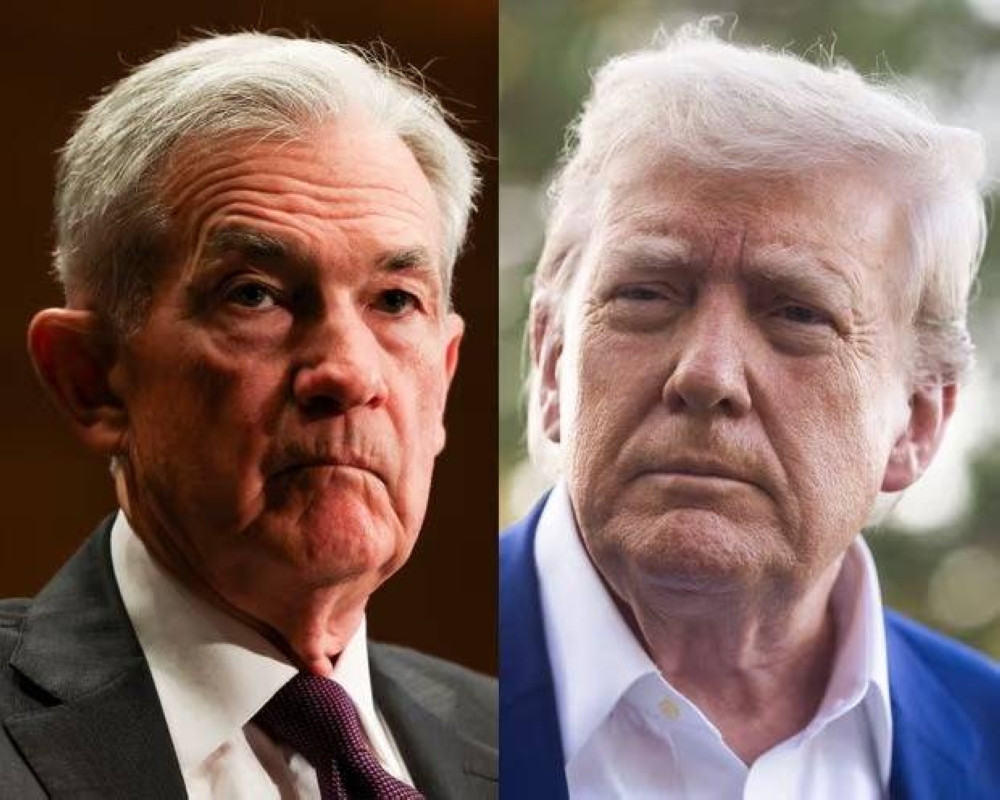
واصل الرئيس الأمريكي دونالد ترمب هجومه على الاحتياطي الفيدرالي ورئيسه جيروم باول، حيث كتب رسالة بخط يده الأسبوع الماضي يطالبه فيها بخفض أسعار الفائدة بشكل كبير، متهماً إياه بتكبيد الولايات المتحدة خسائر مالية هائلة.
ووصف ترمب باول بلقب «متأخر جداً»، في إشارة إلى تأخره في اتخاذ قرارات تخفيض الفائدة التي يراها ضرورية لتحفيز الاقتصاد.
يأتي هذا التصعيد في سياق التوترات الاقتصادية الناتجة عن الحرب التجارية التي يقودها ترمب.
في أبريل الماضي، تسبب إعلانه عن فرض رسوم جمركية مرتفعة في انخفاض حاد في سوق الأسهم، قبل أن تشهد تعافياً بعد تخفيف هذه الرسوم.
ويرى ترمب أن خفض أسعار الفائدة من شأنه تحفيز الاستثمار وتعزيز النشاط الاقتصادي، خصوصاً في ظل ارتفاع تكاليف الاقتراض التي تؤثر على الرهون العقارية، والقروض التجارية، وديون بطاقات الائتمان، التي تباطأت بسبب أسعار الفائدة المرتفعة التي حافظ عليها الاحتياطي الفيدرالي خلال السنوات الأخيرة.
على الرغم من هجمات ترمب الشخصية غير المسبوقة على باول، التي تضمنت تهديدات بإقالته، يؤكد الخبراء الاقتصاديون، بحسب صحيفة «الغارديان»، أن استقلالية الاحتياطي الفيدرالي تحد من قدرة ترمب على التأثير المباشر على قراراته في المدى القصير.
ويُعتبر الاحتياطي الفيدرالي مؤسسة غير حزبية ومستقلة ضمن الهيكل الحكومي الأمريكي، وهو ما يحمي الاقتصاد من التدخلات السياسية المباشرة.
قال المستشار الاقتصادي السابق للرئيس باراك أوباما جيسون فورمان: «استقلالية البنك المركزي هي واحدة من الأمور القليلة التي يتفق عليها الاقتصاديون كميزة مضمونة».
ويحذر الاقتصاديون من أن الضغط السياسي على الاحتياطي الفيدرالي قد يقوض مصداقيته ويؤدي إلى عدم استقرار اقتصادي طويل الأمد، حتى لو كان خفض الفائدة قد يحقق مكاسب قصيرة الأجل من خلال تحفيز الاستثمار.
في الوقت نفسه، يواجه المستهلكون وأصحاب الأعمال مخاوف متزايدة بشأن الاقتصاد، خصوصاً مع التقلبات التي شهدتها الأسواق المالية نتيجة السياسات التجارية لترمب.
ومع استمرار ترمب في انتقاداته للاحتياطي الفيدرالي، يراقب المستثمرون والاقتصاديون عن كثب تأثير هذا الصراع على استقرار الاقتصاد الأمريكي. وفي حين أن استقلالية الاحتياطي الفيدرالي توفر درعاً ضد التدخلات السياسية، فإن التوتر المستمر قد يثير تساؤلات حول قدرة المؤسسة على الحفاظ على سياساتها في مواجهة ضغوط غير مسبوقة من البيت الأبيض.
U.S. President Donald Trump continued his attack on the Federal Reserve and its Chairman Jerome Powell, as he wrote a handwritten letter last week urging him to significantly lower interest rates, accusing him of causing the United States massive financial losses.
Trump referred to Powell as "too late," indicating his delay in making necessary interest rate cuts that he believes are essential to stimulate the economy.
This escalation comes amid economic tensions resulting from the trade war led by Trump.
In April, his announcement of high tariffs caused a sharp decline in the stock market, before it saw a recovery after these tariffs were eased.
Trump believes that lowering interest rates would stimulate investment and boost economic activity, especially given the rising borrowing costs affecting mortgages, business loans, and credit card debts, which have slowed due to the high interest rates maintained by the Federal Reserve in recent years.
Despite Trump's unprecedented personal attacks on Powell, which included threats of dismissal, economic experts, according to The Guardian, assert that the independence of the Federal Reserve limits Trump's ability to directly influence its decisions in the short term.
The Federal Reserve is considered a nonpartisan and independent institution within the U.S. government structure, which protects the economy from direct political interventions.
Former economic advisor to President Barack Obama, Jason Furman, stated: "The independence of the central bank is one of the few things that economists agree on as a guaranteed advantage."
Economists warn that political pressure on the Federal Reserve could undermine its credibility and lead to long-term economic instability, even if lowering interest rates might yield short-term gains by stimulating investment.
At the same time, consumers and business owners are facing increasing concerns about the economy, especially with the volatility seen in financial markets due to Trump's trade policies.
As Trump continues his criticisms of the Federal Reserve, investors and economists are closely monitoring the impact of this conflict on the stability of the U.S. economy. While the independence of the Federal Reserve provides a shield against political interventions, the ongoing tension may raise questions about the institution's ability to maintain its policies in the face of unprecedented pressures from the White House.