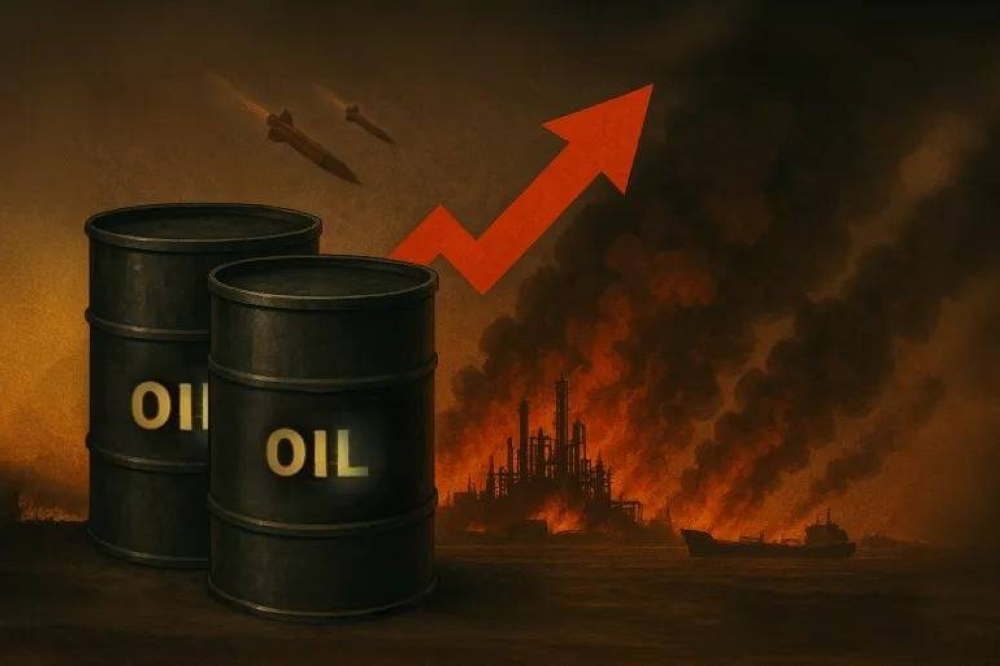
تشير توقعات وكالة «فيتش» إلى أن اتساع نطاق الصراع الدائر بين إيران وإسرائيل سيؤدي إلى ارتفاع أسعار النفط لفترة طويلة نتيجة احتمال تعطل حركة الشحن في مضيق هرمز، الشريان الحيوي لنقل الطاقة عالميًا.
ومع ذلك، تُقلل الوكالة من احتمالية إغلاق المضيق أو تصعيد الصراع إقليميًا في الوقت الحالي، مشيرة إلى أن الحرب المستمرة منذ خمسة أيام تزيد من المخاطر الأمنية في المنطقة.
وتستمر المواجهات العسكرية بين إيران وإسرائيل لليوم الخامس، حيث استهدفت إسرائيل منشآت نووية إيرانية في نطنز وأصفهان وفوردو، بالإضافة إلى منشآت طاقة حيوية مثل مستودع نفط شهران غرب طهران وحقل غاز «بارس» الجنوبي العملاق، مما أدى إلى تعليق جزئي للإنتاج في الحقل.
في المقابل، أبدت طهران رغبتها في خفض التصعيد والعودة إلى المفاوضات النووية مع الولايات المتحدة، شريطة عدم تدخل واشنطن في الصراع.
وفي تصريح مثير، دعا الرئيس الأمريكي دونالد ترمب إلى إخلاء طهران فورًا، مما زاد من حدة التوتر.
على صعيد آخر، قفزت أسعار النفط بنسبة 7% مع اندلاع الصراع، قبل أن تستقر عند نحو 73 دولارًا لبرميل خام برنت.
وتُحذر «فيتش» من أن أي ضرر كبير لإنتاج النفط الإيراني أو بنيته التحتية للتصدير قد يُؤدي إلى ضغوط صعودية على الأسعار، مع علاوة مخاطر جيوسياسية تتراوح بين 5 و10 دولارات للبرميل.
ومع ذلك، تُشير الوكالة إلى أن تحالف «أوبك+» قادر على تعويض أي نقص في الصادرات الإيرانية بفضل فائض طاقته الإنتاجية البالغ 5.7 مليون برميل يوميًا.
ويُعد مضيق هرمز ممرًا حيويًا ينقل نحو خُمس إنتاج النفط العالمي.
وفي تصريح مقلق، أشار إسماعيل كوثري، عضو لجنة الأمن القومي في البرلمان الإيراني، إلى أن طهران تدرس إغلاق المضيق، مؤكدًا أنها ستتخذ قرارًا حازمًا بهذا الشأن إذا لزم الأمر.
وتتوقع الوكالة أن يظل الصراع محصورًا بين إيران وإسرائيل، وألا يمتد لأكثر من أسابيع قليلة، كما تُشير إلى أن الحملات العسكرية الإسرائيلية في غزة ولبنان قد أضعفت قدرة إيران على الرد عبر حلفائها في هذه المناطق.
ومع ذلك، فإن أي تصعيد إضافي قد يُؤدي إلى اضطرابات في أسواق الطاقة العالمية، مما يُؤثر سلبًا على الأوضاع الائتمانية لدول المنطقة، حتى لو استفادت مؤقتًا من ارتفاع أسعار النفط.
Fitch's forecasts indicate that the widening scope of the conflict between Iran and Israel will lead to a prolonged rise in oil prices due to the potential disruption of shipping traffic in the Strait of Hormuz, the vital artery for global energy transport.
However, the agency downplays the likelihood of the strait being closed or the conflict escalating regionally at this time, noting that the ongoing war for five days increases security risks in the area.
The military confrontations between Iran and Israel continue for the fifth day, with Israel targeting Iranian nuclear facilities in Natanz, Isfahan, and Fordow, in addition to vital energy facilities such as the Shahid Tondgooyan oil depot west of Tehran and the giant South Pars gas field, leading to a partial suspension of production in the field.
In contrast, Tehran has expressed its desire to de-escalate and return to nuclear negotiations with the United States, provided that Washington does not intervene in the conflict.
In a provocative statement, U.S. President Donald Trump called for the immediate evacuation of Tehran, which heightened tensions.
On another note, oil prices jumped by 7% with the outbreak of the conflict, before stabilizing at around $73 per barrel of Brent crude.
Fitch warns that any significant damage to Iranian oil production or its export infrastructure could lead to upward pressure on prices, with geopolitical risk premiums ranging from $5 to $10 per barrel.
However, the agency points out that the OPEC+ alliance is capable of compensating for any shortfall in Iranian exports thanks to its production capacity surplus of 5.7 million barrels per day.
The Strait of Hormuz is a vital passage that transports about one-fifth of global oil production.
In a concerning statement, Ismail Kothari, a member of the Iranian parliament's National Security Committee, indicated that Tehran is considering closing the strait, emphasizing that it will make a decisive decision on this matter if necessary.
The agency expects the conflict to remain confined between Iran and Israel, and not to extend beyond a few weeks, also noting that Israeli military campaigns in Gaza and Lebanon have weakened Iran's ability to respond through its allies in these areas.
However, any further escalation could lead to disruptions in global energy markets, negatively impacting the credit conditions of countries in the region, even if they temporarily benefit from rising oil prices.